
Five Bird Species in Australia Capable of Sex-Reversal, Study Finds
Michelle Milliken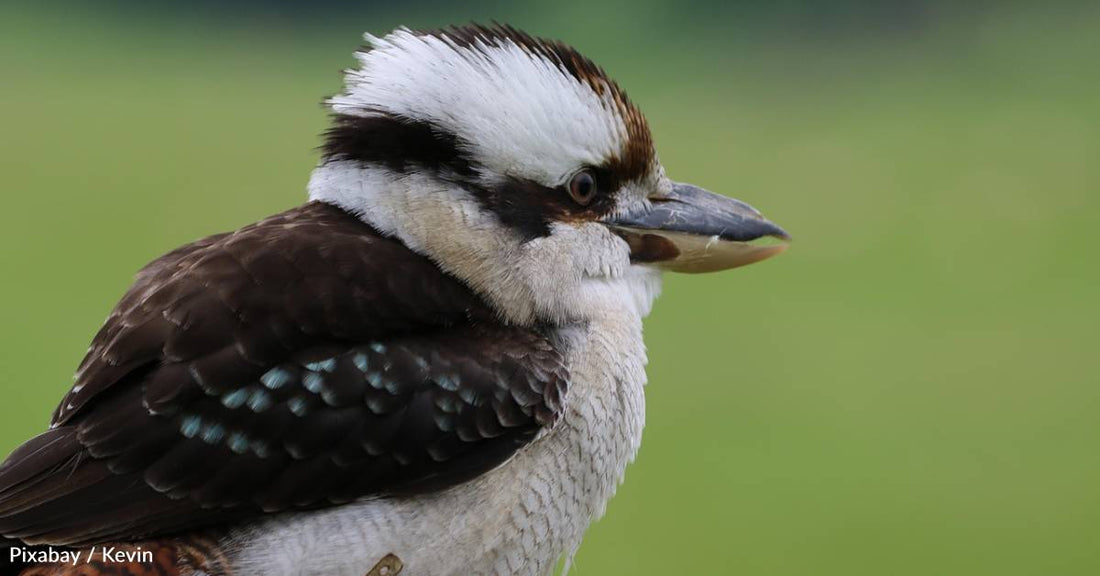
Sex-reversal occurs in animals when they have the physical attributes of one sex but the chromosomal makeup of the other. It’s been observed in amphibians, fish, and reptiles, often linked to environmental factors like temperature. A new study finds the condition is also widespread among wild birds, which could have conservation implications.
Researchers at the University of the Sunshine Coast in Australia recently studied the populations of five Queensland wild bird species - including kookaburras, lorikeets, magpies, and pigeons – to see if any of them had sex-reversed individuals. According to their findings, published in the journal Biology Letters, all five species did. Among nearly 500 birds studied, between 3 and 6% of each species were sex-reversed.

Dominique Potvin, study co-author and associate professor at the University of the Sunshine Coast, says, “One of the key findings was that 92% of sex-reversed birds were genetically female but had male reproductive organs. We also discovered a genetically male kookaburra who was reproductively active with large follicles and a distended oviduct, indicating recent egg production.”
The cause behind the condition is unknown and requires further research, but the team believes it could be linked to endocrine-disrupting chemicals or high levels of stress hormones.
To conduct their study, the researchers did post-mortem examinations on ill or injured birds that had been brought into wildlife hospitals. This involved a physical exam of the birds’ reproductive organs and a DNA test to determine genetic sex. This is a more involved way than usual methods of identifying a bird’s sex, which is usually through observing behavior or feathers or testing for genetic markers. If they used only these methods, though, they wouldn’t be able to identify sex-reversed individuals.

The researchers say being unaware of accurate male and female population counts can limit bird research. Sex-reversal may also impact reproduction in threatened bird species.
Dr. Clancy Hall, lead author from the University of the Sunshine Coast, explains, “This can lead to skewed sex ratios, reduced population sizes, altered mate preferences, and even population decline.”
You can read more about the study here.