Orphaned Baby Birds Rescued After LA Fires Get a Second Chance
Michelle Milliken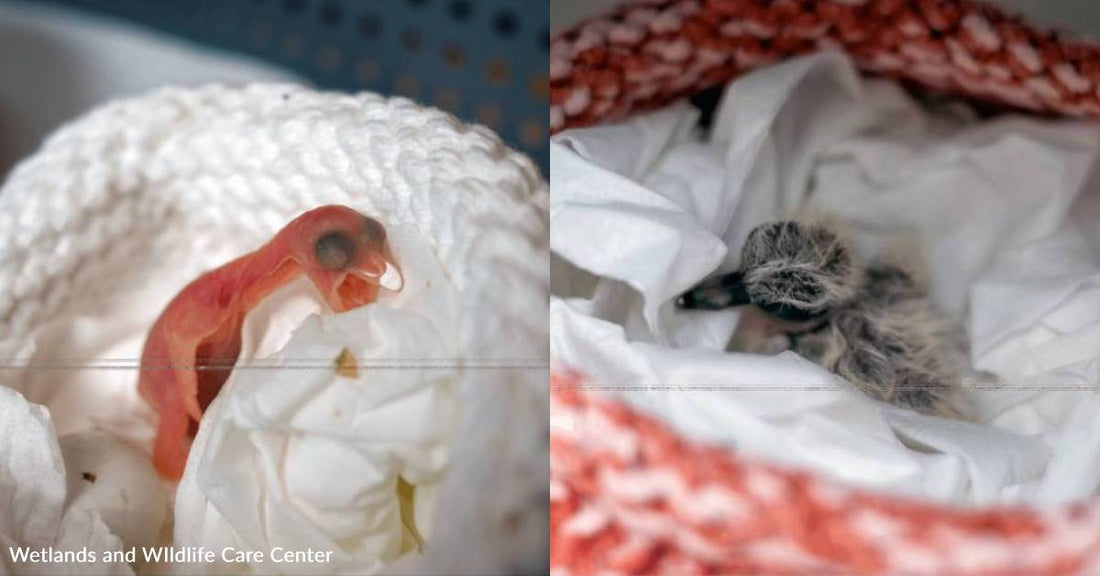
Wildfires that struck Los Angeles County in January devastated communities that are still dealing with the fallout. The Palisades and Eaton fires burned over 37,000 acres and destroyed more than 16,000 buildings, including many homes. There were also impacts to wildlife, including an especially early toxic algal bloom that killed and sickened marine mammals and was believed to be caused by fire runoff. The tiniest, most helpless wildlife were also in a lot of danger after the fires had scorched their homes, but you helped them live and grow.
Wetlands and Wildlife Care Center (WWCC) in Orange County cares for around 8,500 injured or orphaned animals each year, from waterfowl and seabirds to squirrels and raccoons. Most of them are successfully released back into the wild. After the fires hit, though, the rescue had even more animals to help.

Photo: Wetlands and Wildlife Care Center
To prepare for cleanup and debris removal, the U.S. Army Corps of Engineers and biologists partnered up to find and carefully remove nests in fire-impacted areas. Those nests were then taken to WWCC. This mission ensured these vulnerable animals didn’t come to harm while the community was doing recovery work in burned areas. It also meant over 180 animals needed to receive food and housing from WWCC, while staff prepared to get them back into the wild.
With help from your clicks, trivia participation, shopping for a cause, and direct donations, we worked with our partner Greater Good Charities to provide specialized formulas to WWCC for the rescued nest inhabitants.

Photo: Wetlands and Wildlife Care Center
WWCC says, “These formulas are essential for the healthy development and survival of neonates and juvenile animals that require species-specific nutrition, including songbirds, squirrels, opossums, and other small animals.”
The donation of these supplies also opens up more funding for medical treatment, facility improvements, staff support, and, ultimately, the ability to care for more animals.
One of the nests that received this care was an active acorn woodpecker nest found in a burned oak tree that was scheduled to be removed. It contained nestling stage chicks, who required hand-fed formula until they were strong enough to fledge.

Photo: Wetlands and Wildlife Care Center
WWCC says, “This rescue not only saved a cavity-nesting species with complex social behavior but also helped preserve the biodiversity critical to oak woodland restoration.”
Another family, this time mourning doves, was found in a nest built on a shrub at high risk of destruction during cleanup. The young birds were only in the hatchling and nestling stage and needed dove-specific formula and a controlled, quiet environment. They were a success story, though, ultimately being released into a restored wetland site.

Photo: Wetlands and Wildlife Care Center
WWCC says of all the birds they helped save, “Many of the birds received through this project arrived at WWCC in various vulnerable stages, including eggs, hatchlings, nestlings, and fledglings. Each one required specialized formula, around-the-clock feeding, and age- appropriate housing—resources made possible through generous in-kind donations and collaborative recovery efforts.”
You helped these tiny wildfire victims fly again. Thank you! If you’d like to support other animals – and people – impacted by wildfires, click below!