
🚨Urgent: Missile Strikes Shelter in Ukraine! Rush Emergency Aid!
Bald Eagle’s Remarkable Recovery Using Cod Fish Skin Graft Treatment
Guest Contributor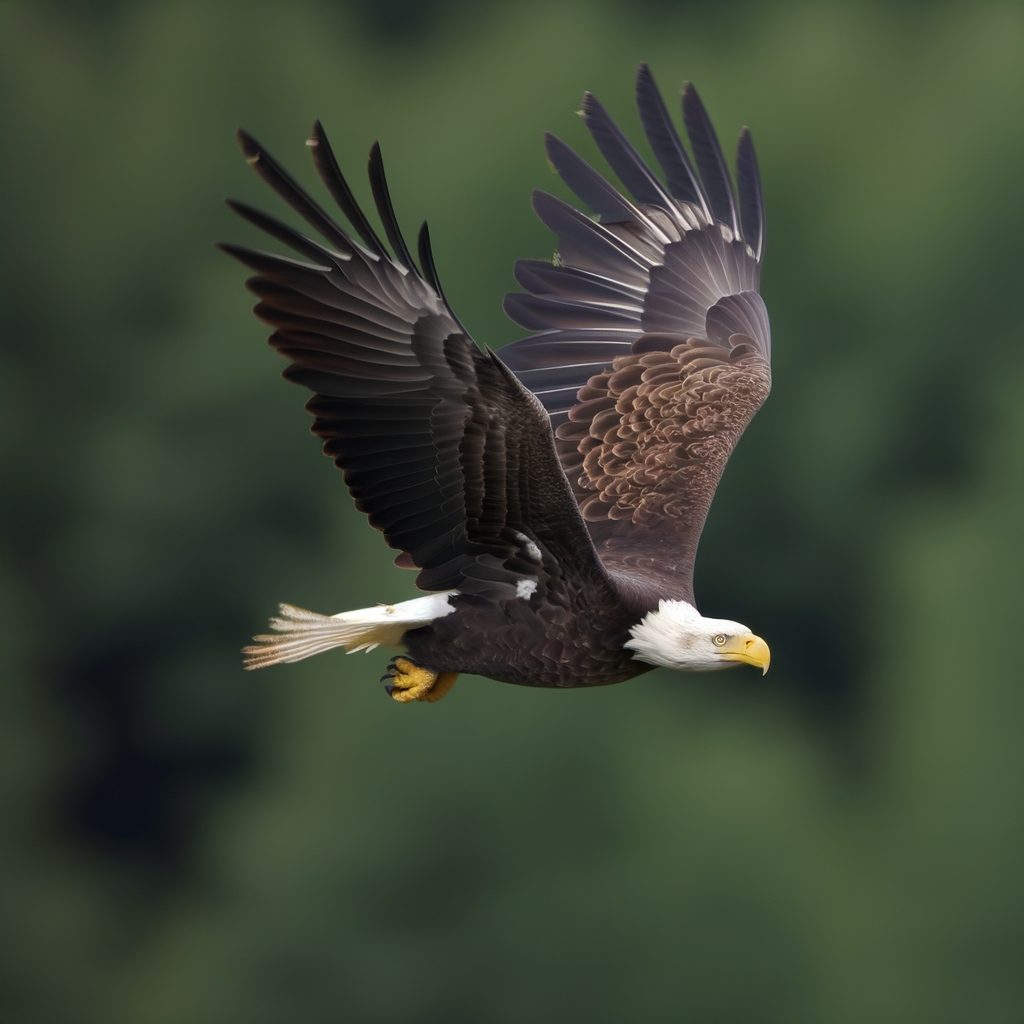
In a remarkable story of resilience and innovation, a bald eagle in northwestern Wisconsin has taken flight once more—thanks to a groundbreaking treatment that involved a cod fish skin graft. The bird, later named Kere, suffered a severe leg injury and was close to death when it was brought to the Winged Freedom Raptor Hospital in September 2024. The treatment that saved her life is typically used on humans and had never before been applied to an eagle. The success of this veterinary milestone has drawn attention not only for its novelty, but for what it might signal about the future of wildlife rehabilitation.

According to veterinarian Kim Ammann, who runs the volunteer-based hospital in Spooner, the eagle was found at a campground with a large, open wound on its leg. The injury had been exposed to the elements for at least a week, if not longer. “It was horrible,” Ammann said, describing the condition of the bird when it arrived. With no remaining skin around the wound to facilitate healing, standard treatment options were limited.

Determined to find a solution, Ammann began researching alternative therapies. Her search led her to Kerecis, an Iceland-based company known for producing tissue regeneration products made from North Atlantic cod skin. While these products are primarily used for human patients, Kerecis had recently developed a veterinary line in response to growing interest from animal care professionals. “We had never applied fish skin to an eagle,” said Marta Hines, the company’s veterinary business development manager.
Kerecis provided the fish skin graft free of charge after hearing about the eagle’s dire situation. The product, derived from sustainably sourced cod skin, is known for its compatibility with human and animal tissue and carries no known risk of viral transmission. Hines noted that the material not only promotes healing but also makes use of a resource that would otherwise be discarded.
Ammann applied the fish skin patch to the eagle’s leg after rehydrating and suturing it in place. She described the graft as resembling a fishnet stocking, providing a scaffold for the eagle’s own tissue to regenerate. “It brings all the nutrients and structure in for her own skin cells to then creep in,” Ammann explained. Over the course of ten months, the wound healed, and the eagle underwent rehabilitation in the hospital’s open-air flyway.
I found this detail striking: the eagle that was saved by a fish skin graft is itself a fish-eating bird. The poetic symmetry of that fact adds another layer of depth to an already compelling story. It’s also a testament to the ingenuity and dedication of those involved in wildlife care.
On June 22, 2025, Kere was released on a soccer field near the rehabilitation center. The moment was emotional for Ammann and the gathered supporters. “She came right over my head,” Ammann recalled. “It was (a) mixed blessing for me. I was very fond of her. She was so tolerant of everything that we had done.” The release was met with tears, laughter, and high fives, capturing the joy and relief of a successful recovery.
Ammann, who treats around 200 birds each year—at least 75 of them bald eagles—has since used the fish skin treatment on other birds with smaller injuries. The success of Kere’s case may pave the way for broader use of this sustainable and effective healing method in avian medicine. It also highlights the potential for cross-species applications of medical technology originally developed for humans.
Beyond the immediate impact on one eagle’s life, this story underscores the evolving relationship between veterinary science and conservation. As more wildlife centers explore advanced treatments, partnerships with biotech companies like Kerecis could become a vital part of saving injured animals. The use of fish skin grafts for wound healing in birds is a pioneering step that blends compassion, science, and sustainability.
For those interested in wildlife rehabilitation, tissue regeneration, or sustainable medical innovations, Kere’s journey offers a powerful example of how new solutions can emerge from unlikely materials. What began as a desperate search for a treatment ended in a triumphant return to the skies, offering hope for future cases and a reminder of the resilience of nature when given a helping hand.