
Bulldog’s Slow Eating Struggle and Pitiful Face Wins Hearts Online
Guest Contributor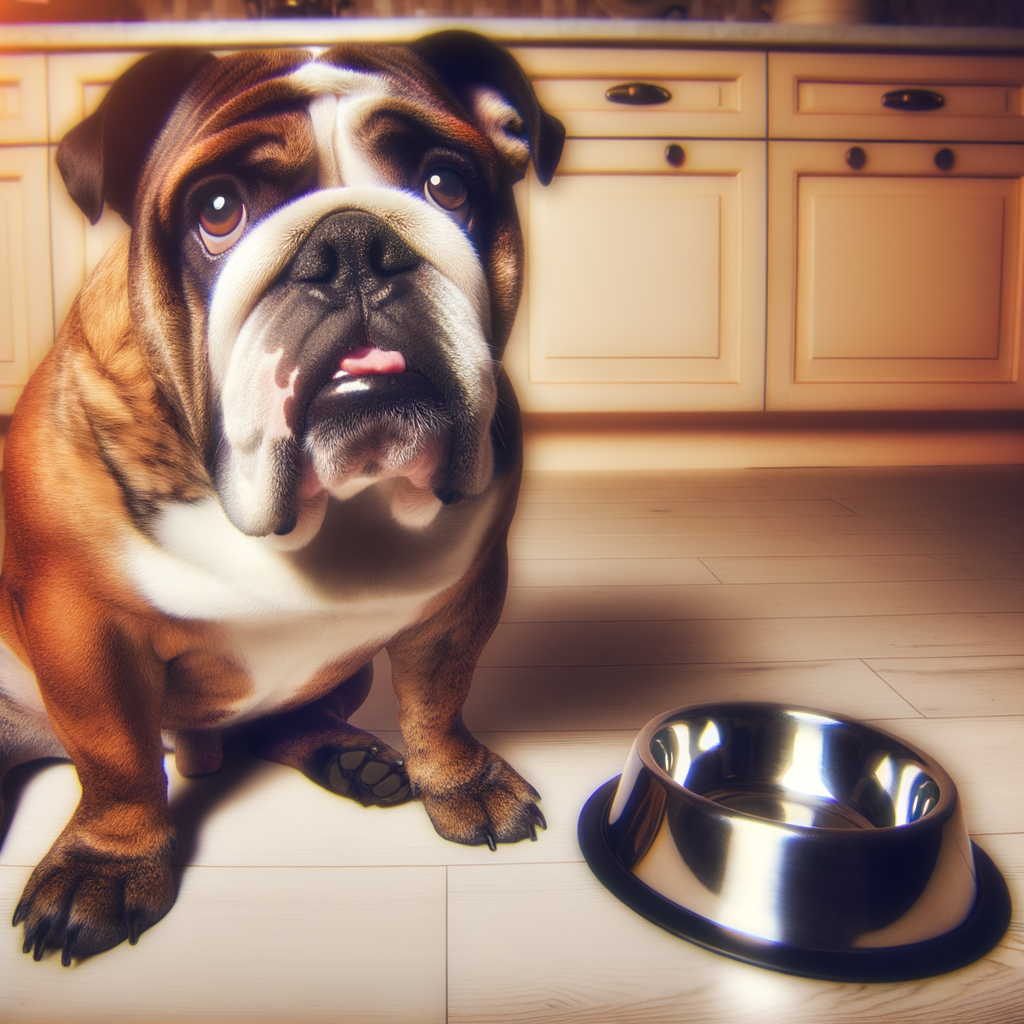
Few things tug at the heartstrings like a dog's soulful eyes when they’re hoping for more food. A recent story from Parade Pets captures this perfectly, spotlighting a Bulldog whose pitiful expression while waiting for the “second half” of dinner has charmed pet lovers across the internet. The viral video, originally shared by TikTok user @alexi_santomartino, shows the dog sitting beside an empty bowl, looking every bit like a disappointed toddler denied a favorite toy. It’s a moment that resonates with many pet parents who’ve faced the same dilemma: how to slow down a dog who eats too fast without breaking their heart.

At the heart of this story is a common canine challenge—rapid eating. The Bulldog in question isn’t being punished. Rather, his owner has learned the hard way that letting him devour his entire meal at once leads to digestive issues. To prevent him from getting sick, she serves his food in portions. The result? A dramatically adorable pout that’s hard to ignore. “Bulldogs are so dramatic for no reason I love it 😂,” one viewer commented, perfectly summing up the breed’s theatrical tendencies.

The clip has sparked a wave of empathy and solidarity among fellow dog owners, many of whom shared their own experiences with fast-eating pets. Some offered practical advice, like using a slow feeder bowl. However, as the video’s creator points out, this solution isn’t foolproof. “He’s had 3 different slow feeders and the bowl currently on the floor is ANOTHER slow feeder 😂!” she explained. It’s a sentiment echoed by another commenter who said, “Mine eats his dinner in under sixty seconds, WITH a slow feeder bowl.”
These shared frustrations highlight a broader issue in pet care: how to balance a dog’s enthusiasm for food with their health and well-being. While slow feeder bowls are a popular tool, they don’t work for every pet. Some dogs, especially determined ones like this Bulldog, find ways to outsmart even the most cleverly designed feeders. The challenge becomes not only physical but behavioral, requiring creativity and patience from pet owners.
One particularly inventive suggestion stood out among the comments. A follower advised placing chunks of cucumber in the bowl—an ingredient their dog disliked. This forced the dog to navigate around the cucumber, naturally slowing down the eating process. It’s a clever workaround that might not suit every dog, but it underscores the value of thinking outside the box when standard solutions fall short.
@alexi_santomartino My poor baby 😭 I hope he knows it’s for his own good and we only do it bc we have to </3 #fyp #love #dog #tiktok ♬ Funny - Gold-Tiger
What makes this story so relatable is the emotional tug-of-war between doing what’s best for a pet and responding to their expressive pleas. The Bulldog’s mournful gaze is not just cute—it’s a powerful reminder of how deeply pets can communicate without words. While it’s easy to anthropomorphize their behavior, attributing guilt trips or manipulation, the reality is often simpler. Dogs live in the moment. When they’re hungry, they show it. When they’re confused by a change in routine, they express it—sometimes with Oscar-worthy performances.
I found this detail striking: despite the owner’s best efforts, including multiple slow feeders, the Bulldog’s speed-eating persists. It’s a testament to how ingrained some behaviors can be, and how even well-informed pet parents sometimes find themselves at a loss. The online community’s mix of empathy, humor, and practical tips reflects a shared journey, one filled with trial and error, small victories, and the occasional cucumber decoy.
There’s also a broader message here about the evolving nature of pet care. As our understanding of animal health deepens, so too does the range of tools and techniques available to support it. Yet, stories like this remind us that no gadget or trick is a one-size-fits-all solution. Sometimes, it’s about adapting advice to fit a pet’s unique personality—and accepting that a little drama may always be part of the mealtime routine.
In the end, the Bulldog’s pitiful face may not have earned him the second half of dinner any faster, but it certainly won him a legion of fans. And for his owner, the outpouring of support and shared experiences provided a sense of community in what can often feel like a solitary struggle. After all, when it comes to caring for our pets, a little solidarity—and a lot of patience—goes a long way.