🚨Urgent: Missile Strikes Shelter in Ukraine! Rush Emergency Aid!
California Shelters Opened Their Doors To Pets And Helped More People Get Off The Streets
Matthew Russell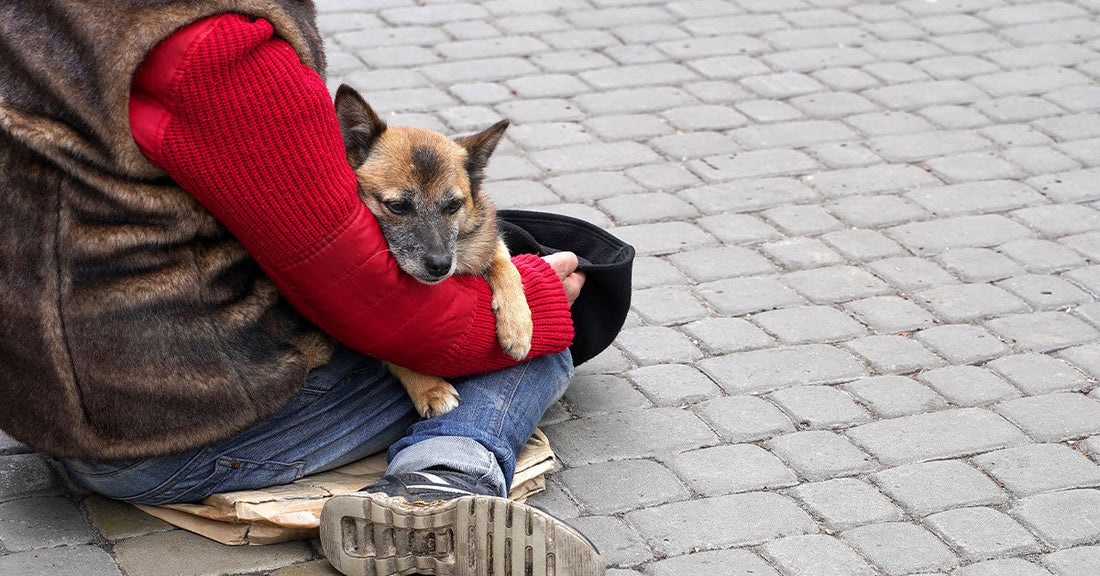
For many people living without stable housing, a pet is not a luxury. It is family, routine, protection, and emotional ballast. When shelters refuse animals, that bond can keep people outside longer. California’s pet-friendly shelter pilot showed what happens when that barrier comes down.
The state’s Pet Assistance and Support program was created to help shelters provide food, crates, veterinary services, staffing, and safe space for animals so people would not have to choose between a bed and their pet, the California Department of Housing and Community Development explains. Over four years, the program served 4,407 people and supported 4,636 pets, according to USC’s impact report, which found that 886 participants moved into permanent housing. That worked out to about 20% of participants, above California’s broader permanent placement rate for people in interim housing.

No one should have to choose between shelter and a beloved pet.
Why Pets Matter In Homelessness Services
This was not a minor obstacle. In Los Angeles, researchers found that before the pandemic about 1 in 8 unhoused people had pets, and nearly half of pet owners had been turned away from shelter because animals were not allowed, The Conversation reports. By 2025, that share had grown to roughly 1 in 5.
The USC Homelessness Policy Research Institute found that PAS funding let 61 sites open their doors to an average of 489 unhoused pet owners a year. Money went toward the practical things that make pet-inclusive shelter possible: kennels, vaccinations, veterinary care, food, insurance, and staff dedicated to helping clients with animals, according to the USC Homelessness Policy Research Institute.

A pet can be the reason someone finally feels safe enough to come indoors.
What Changed On The Ground
At Father Joe’s Villages in San Diego, the funding helped build dog yards and bathing areas and expand resources for residents with pets, CBS Los Angeles reports. That kind of investment matters because many shelters have long cited cost, space, staffing, and liability as reasons to bar animals.
Other providers around the country have seen the same pattern. Pet-friendly shelters are often able to reach people who would otherwise remain outside, and advocates say keeping owners and animals together can improve both safety and trust, AP News reports.

Housing works better when it treats families as whole families.
A Housing Lesson California Should Not Ignore
The deeper lesson is simple. People in crisis are more likely to accept help when that help does not demand separation from the beings they love most. In Los Angeles, outreach workers now try to stop that forced choice before it happens, helping people keep both their pets and their path to housing, LA Public Press reports.
California’s pilot did not solve homelessness. But it removed one cruel obstacle, reached thousands of people and animals, and helped hundreds move into permanent housing. That is not a side issue. It is a workable fix hiding in plain sight.