🚨Urgent: Missile Strikes Shelter in Ukraine! Rush Emergency Aid!
China Scrubs Pangolin Medicine From Official Handbook As Conservation Pressure Mounts
Matthew Russell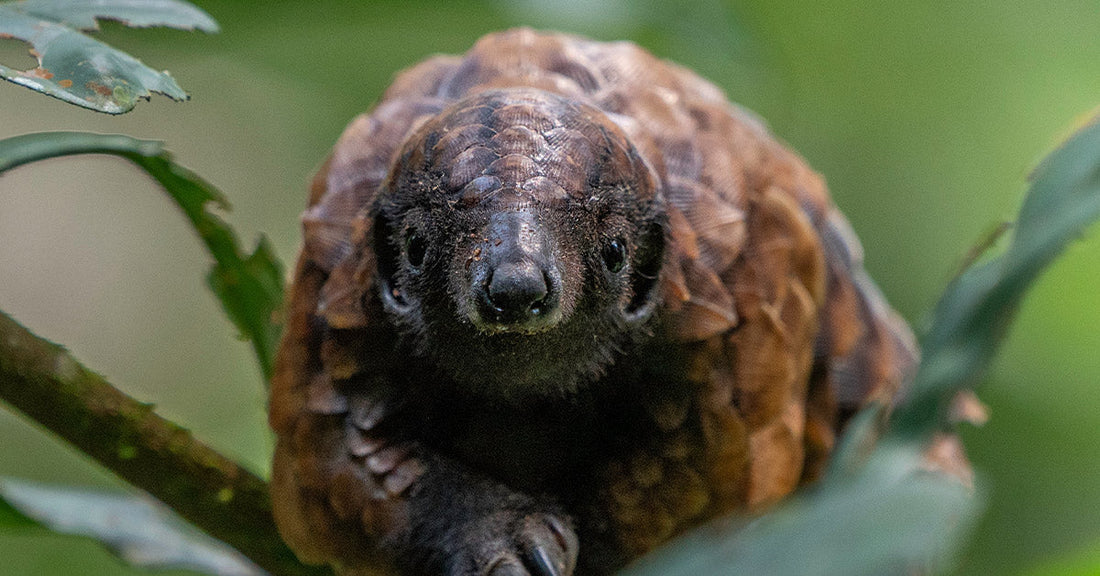
In a development welcomed by conservationists, China has removed all traditional medicines containing pangolin scales from its official pharmacopoeia, a government compendium that defines the nation’s approved medical treatments. The change, which took effect on October 1, 2025, signals a significant shift in the country’s approach to wildlife protection and traditional medicine reform.

China removed pangolin formulas from the 2025 national pharmacopoeia.
End of a Controversial Ingredient
For decades, pangolin scales have been used in Chinese medicine to treat ailments ranging from lactation issues to circulation problems. Despite their popularity, no scientific evidence supports these uses. Pangolins, now considered the world’s most trafficked mammal, have seen all eight species pushed toward extinction by demand for their scales and meat, according to National Geographic.
The 2025 Pharmacopoeia excludes *Guilingji*, a high-profile tonic containing pangolin scales, red ginseng, seahorse, and deer antler—once a symbol of prestige in traditional Chinese medicine. Its delisting marks the first time since 1957 that this top-secret national prescription has lost official recognition.
“Its removal suggests a shift in regulatory priorities,” World Animal Protection reported. “If a medicine is no longer listed, it no longer meets criteria for safety, efficacy, or ethical acceptability.”

The delisting includes raw pangolin scales and known formulas.
Building on Earlier Reforms
This reform builds on earlier changes. In 2019, the Chinese government removed pangolin-based drugs from its national health insurance coverage, effectively making such treatments more expensive and less accessible. Experts saw that move as a signal that “the government no longer supports the use of pangolin,” Steve Given, a former associate dean of the American College of Traditional Chinese Medicine, told National Geographic.
In 2020, pangolins were upgraded to Class I protected status under China’s wildlife protection law, offering them the same level of protection as giant pandas. The 2025 pharmacopoeia update goes a step further by erasing pangolin-based formulas entirely.
Growing Pressure From Within and Abroad
The update reflects years of mounting internal and external pressure. A 2022 resolution from the global wildlife trade convention CITES urged countries to eliminate pangolin derivatives from official medical texts. But conservationists say domestic advocacy within the traditional medicine community has been equally influential. “China doesn’t always respond to international pressure,” said Christina Vallianos, wildlife program director at WildAid, in an interview with Mongabay. “More practitioners inside China are calling for sustainable, plant-based alternatives.”

Conservation groups welcomed the reform as progress.
Progress and Remaining Gaps
While the delisting represents progress, the reform does not amount to a full market ban. The Environmental Investigation Agency maintains that companies may still produce pangolin-based medicines under existing licenses, as China continues to allow the use of one metric ton of pangolin scales annually from a government-regulated stockpile, Mongabay reports.
That lingering allowance leaves conservationists uneasy. “Just because pangolin formulas have been removed doesn’t mean companies will stop producing them,” warned Erin Chong of the Environmental Investigation Agency.

A one-metric-ton annual scale quota remains in China.
A Shift Toward Ethical Medicine
Still, many see the move as a powerful cultural signal. The pharmacopoeia serves as a touchstone for practitioners and educators across China. Removing pangolin ingredients from its pages weakens the social legitimacy of wildlife-based medicine and aligns the country’s health standards more closely with global conservation goals.
World Animal Protection said the change “sends a strong message that traditional practices can evolve,” and advocates hope it will encourage a full market ban in the future.
China’s decision reflects a growing understanding that the survival of pangolins—and the credibility of traditional Chinese medicine itself—depends on a future built on science, ethics, and respect for the wild.
Click below to make a difference.