
🚨Urgent: Missile Strikes Shelter in Ukraine! Rush Emergency Aid!
White House Dismantles Core Climate Safeguards Nationwide
Matthew Russell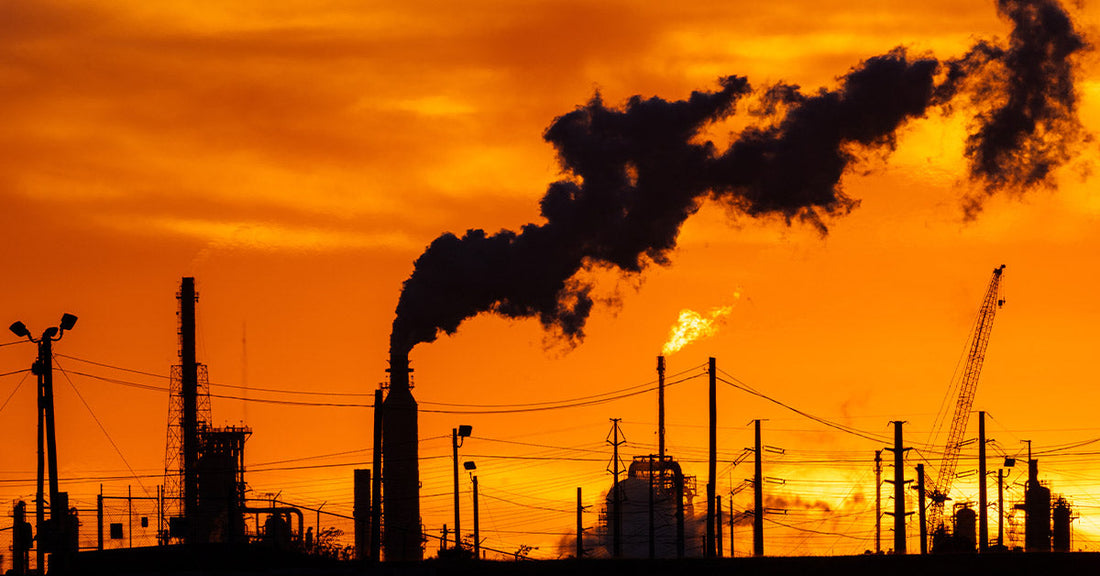
In a sweeping decision, the Trump administration rescinded the Environmental Protection Agency’s 2009 determination that greenhouse gases endanger public health and welfare.
That scientific finding had allowed the federal government to regulate carbon dioxide, methane and other heat-trapping gases under the Clean Air Act. Without it, the EPA can no longer limit climate pollution from vehicles — and may soon lose its ability to regulate power plants and oil and gas operations.

The EPA rescinded the 2009 endangerment finding.
Erasing the Endangerment Finding
As The New York Times reports, the endangerment finding rested on more than 200 pages of scientific evidence concluding that greenhouse gases threaten human life. For nearly 17 years, it served as the legal justification for curbing emissions from tailpipes, smokestacks and drilling sites.
Now the EPA argues that the Clean Air Act only applies to pollutants that cause local or regional harm, not global climate change, Reuters reports. By narrowing the law’s scope, the agency has removed its own authority to regulate climate pollution.
The repeal also wipes out federal greenhouse gas standards for cars and trucks, the largest source of U.S. emissions.

That finding allowed regulation of greenhouse gases under the Clean Air Act.
Transportation Rules Collapse
Under previous rules, automakers were required to sharply reduce tailpipe emissions. The Biden administration projected that tightening standards would save drivers thousands of dollars over a vehicle’s lifetime through lower fuel and maintenance costs, according to Reuters.
Those standards are now void.
The White House has framed the rollback as economic relief, claiming it will cut vehicle prices and save taxpayers trillions. As BBC News reports, officials argue the prior policy inflated costs for consumers and automakers.
But the Environmental Defense Fund estimates that eliminating the endangerment finding and vehicle standards could add billions of tons of additional pollution by mid-century, potentially imposing trillions of dollars in climate-related costs, The Guardian reports.

Environmental groups are preparing immediate lawsuits.
Public Health at Risk
The scientific consensus that underpinned the 2009 finding remains unchanged. Rising temperatures intensify wildfires, floods, hurricanes and drought. Extreme heat deaths in the United States have more than doubled in recent decades, according to prior federal data cited by The New York Times.
Increased exposure to wildfire smoke could claim tens of thousands of American lives annually by mid-century. Warmer conditions also enable infectious diseases to spread into new regions.
Environmental and public health groups warn that dismantling federal oversight will raise health care costs, insurance premiums and disaster recovery expenses. Legal challenges are already underway.
Courts, Congress and the Long Game
The repeal sets up a direct confrontation with established legal precedent. The U.S. Supreme Court ruled in 2007 that the EPA has authority to regulate greenhouse gases under the Clean Air Act, a point reaffirmed in later decisions, CNN reports.
If the courts uphold the administration’s new interpretation, future presidents may be unable to restore climate regulations without new legislation — an unlikely prospect in a divided Congress.
Meanwhile, the United States has withdrawn from international climate agreements, further isolating itself from global efforts to limit warming, according to Reuters.
The result is a profound shift.
For the first time in nearly two decades, the federal government has stripped itself of its primary tool to confront climate pollution — at a moment when the physical impacts of a warming planet continue to intensify.
Click below to make a difference.