
🚨Urgent: Missile Strikes Shelter in Ukraine! Rush Emergency Aid!
Capybaras Face Slaughter As Colombia Considers Opening The Plains To Hunters
Matthew Russell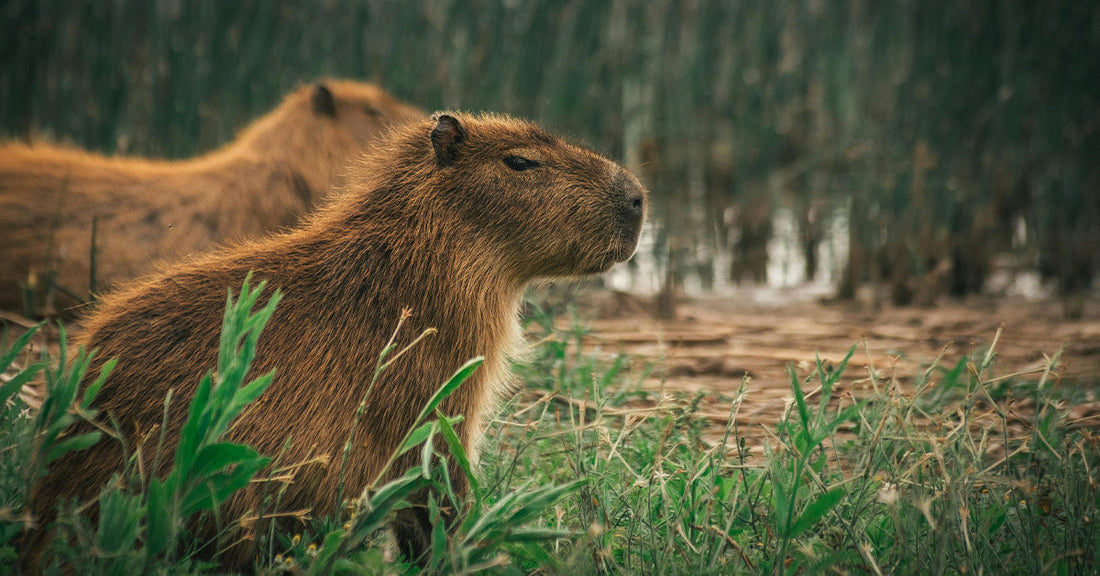
Colombia is considering whether to allow commercial hunting of capybaras, the world’s largest rodent and a cultural icon across Los Llanos.
Scientists who have studied wild populations for decades argue a tightly controlled quota — on the order of 5–10% — would not harm overall numbers and could channel demand away from illegal killing, as reported by El País. Their proposals cite compliance with the Convention on Biological Diversity, which Colombia signed in 1992.

Colombia is debating commercial hunting of capybaras.
Beyond Quotas: Habitat Pressures In The Eastern Plains
Opponents counter that hunting misses the real emergency: ecosystem loss. In the Orinoquía floodplains, rice, soy, palm, and sugarcane expansion have reshaped rivers, wetlands, and gallery forests — the habitats capybaras rely on for food, refuge, and movement.
In 2024, the Orinoquía supplied roughly 55% of Colombia’s rice, a transformation that conservationists say has entailed diversions of waterways and heavy agrochemical use, El País reports.
While growers highlight improvements, critics warn that unchecked expansion erodes climate resilience to floods and droughts, according to OneGreenPlanet.

Capybaras are the world’s largest rodents and a cultural icon.
Culture, Conflict, And Governance
Capybaras — known locally as chigüiros — hold culinary and cultural significance, particularly in parts of Los Llanos. Farmers say dense groups can graze young rice and compete with cattle, giving fuel to calls for regulated harvests. The Environment Ministry has acknowledged receiving proposals and weighing controls like permits, quotas, and monitoring, according to Colombia One.
Conservationists caution that once markets open, enforcement in remote areas becomes difficult, increasing incentives for overharvest, Colombia One reports.
A Moving Target: Policy Signals And Public Pressure
Signals from Bogotá have shifted. After the idea surfaced mid-year, the Environment Ministry indicated it would not move forward at that time, a retreat applauded by Green Party senator Andrea Padilla, as The Cool Down reports. The broader debate, however, persists as officials, researchers, ranchers, and advocates argue over population data, rural livelihoods, and ecological risk.

Animal rights activists call hunting cruel and unnecessary.
What Protects Capybaras — And What Doesn’t
Even where numbers look robust, capybaras anchor wetland food webs and serve as prey for apex predators. Their grazing can open waterways and sustain diverse species. Any national policy will need credible habitat safeguards, transparent science, and field-ready enforcement — or risk legalizing pressure while leaving the root driver, landscape conversion, untouched.
Click below to make a difference.