
Forty Pigs Allegedly Went Without Food Or Water Until One Was Dead
Guest Contributor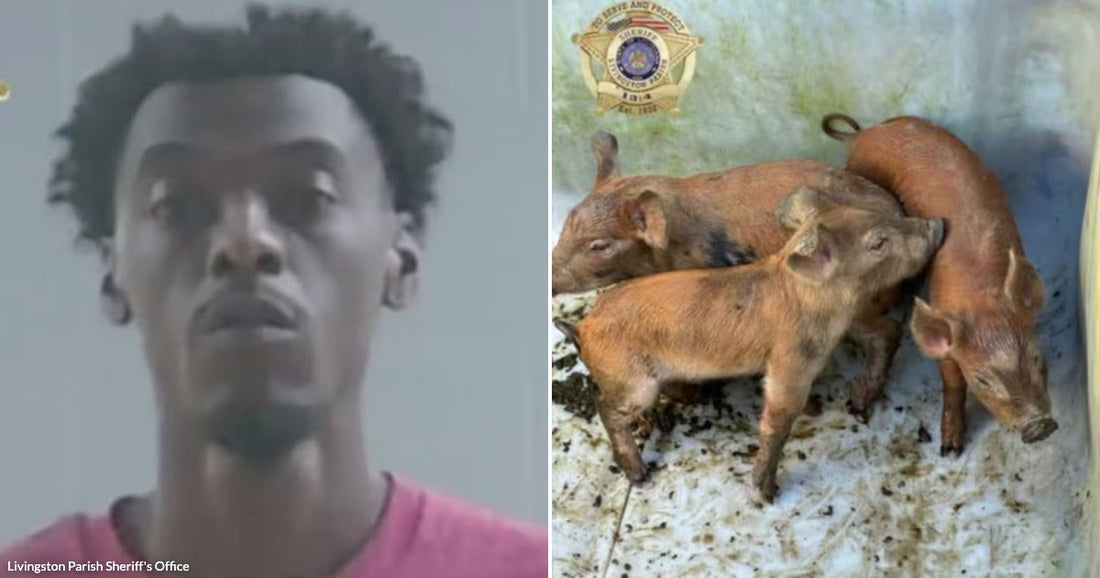
Reports of 40 pigs rescued from poor conditions on a rural Louisiana property have drawn attention to a disturbing case of alleged animal cruelty. According to the Livingston Parish Sheriff’s Office, what began as a call about pigs running loose and damaging property quickly turned into a serious animal welfare investigation. At the center of the case are accusations of animal cruelty charges and a law enforcement response that ultimately led to the animals’ removal from the site.
Deputies were dispatched to North Cafe Line Road in Livingston Parish after receiving complaints that pigs were roaming freely and causing damage. When they arrived, they discovered dozens of pigs living in what authorities described as substandard conditions, with no access to food or water. The description from the sheriff’s office paints a stark picture of neglect that goes beyond a simple case of animals escaping their pen.

Sheriff Jason Ard reported that one pig was already dead, and several others were severely injured when deputies reached the scene. Many of the pigs were not only suffering but also finding ways to escape under a fence and wander onto the roadway. These pigs, free to roam near traffic and neighboring properties, created safety concerns for drivers and nearby residents while also highlighting how uncontrolled and unmanaged the situation had become.
The discovery of substandard living conditions for pigs raises difficult questions about oversight, responsibility, and basic standards of animal care. Pigs, like other domesticated animals, require consistent access to water, adequate nutrition, and shelter from harsh conditions. When these needs are not met, the consequences can be swift and severe, resulting in injury, illness, or death. In this case, the combination of physical suffering and the potential risk to the broader community prompted a law enforcement response that moved quickly from observation to action.

Livingston Parish Sheriff's Office
Deputies identified the owner of the pigs as Malik Smith, 27, and took him into custody. According to the Livingston Parish Sheriff’s Office, Smith was booked into the Livingston Parish Detention Center on seven counts of aggravated cruelty to animals and 33 counts of simple cruelty to animals. The number of charges reflects the scale of the situation, with each count representing a serious concern about the welfare of one or more animals on the property.
Aggravated cruelty to animals charges typically signal especially serious allegations, such as prolonged suffering, severe injury, or death of an animal. Simple cruelty charges, while generally considered less severe, still acknowledge that the animals allegedly endured conditions that fall far short of acceptable care. Together, these dozens of animal cruelty charges indicate that authorities viewed the case not as an isolated instance of neglect but as a broader pattern of harmful conditions affecting many animals.

Livingston Parish Sheriff's Office
In the wake of the investigation, officials confirmed that all of the pigs have now been surrendered by Smith. The Livingston Parish Sheriff’s Office reported that the animals were safely removed from the property. This step, while it does not erase what the pigs reportedly endured, is a critical measure to prevent further suffering and to provide at least the possibility of better care for the animals going forward.
For local residents, the situation on North Cafe Line Road combined emotional impact with practical concerns. Animals escaping their enclosure and blocking a roadway present clear danger to motorists, especially in rural areas where visibility may be limited and large animals can cause serious accidents. At the same time, learning that dozens of animals nearby were allegedly living without basic necessities likely stirred deep concern among those who value humane treatment and safe, responsible animal ownership.

Livingston Parish Sheriff's Office
Cases like this one can also prompt broader reflection on how animal cruelty is identified and addressed. It was an initial complaint about pigs running loose and damaging property that brought deputies to the scene. Once there, they uncovered deeper problems that might otherwise have remained hidden. This sequence underscores the role community members can play in alerting authorities when something seems wrong, even if the initial concern appears to be about nuisance or property damage rather than animal welfare itself.
I found it striking that the investigation unfolded from a situation that, on the surface, involved loose livestock and property issues rather than an explicit animal cruelty report. That progression illustrates how closely public safety and animal welfare are linked. Poor living conditions for animals often have ripple effects that extend beyond a single property line, affecting roads, neighborhoods, and the broader environment around them.
The case also serves as a reminder that animal cruelty laws exist not only to punish after harm occurs but to uphold community standards of care. When law enforcement responds to reports of neglect and mistreatment, it signals that the well-being of animals matters to the wider public. Although it can be distressing to read about a dead pig and others severely injured, it is also meaningful that an official response led to the animals’ removal from what authorities described as substandard conditions.
The Livingston Parish Sheriff’s Office has emphasized that this remains an ongoing investigation. That means further details could emerge as officials continue their work, review evidence, and possibly coordinate with animal welfare organizations or other agencies. For now, the public record reflects a serious set of allegations, a large number of affected animals, and a legal process that will continue beyond the initial arrests and rescues.
As this case moves forward, it may contribute to wider conversations about responsible animal care, the importance of oversight in situations involving large numbers of animals, and the ways communities respond when problems come to light. For the 40 pigs removed from the property, the immediate priority has been safety and relief from the reported conditions they endured. For authorities and residents in Livingston Parish, this situation will likely remain a reference point in discussions of animal cruelty, public safety, and the shared responsibility to speak up when signs of trouble appear.