
🚨Urgent: Hurricane Isaias Smashes Into the Gulf Coast! Rush Emergency Aid!
Rescuers Shine Flashlights Into a Dark House and See 47 Faces
Guest Contributor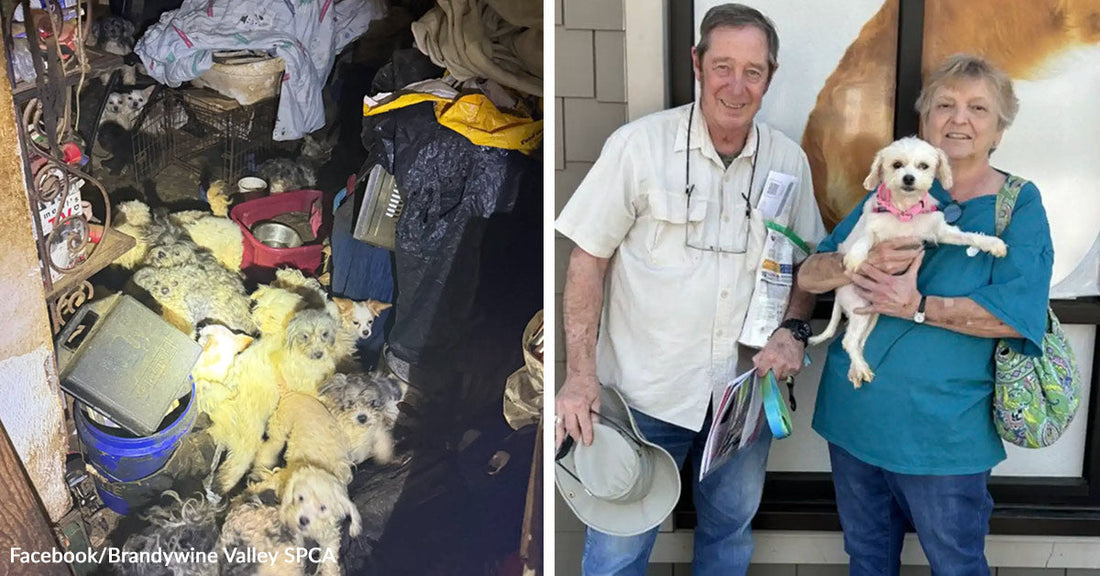
When officers from the Marple Township Police Department called Brandywine Valley SPCA for help, they described an abandoned house filled with nearly 50 small dogs and puppies. The home was in terrible shape, without electricity, and piled high with trash. It was the kind of scene that animal rescuers dread. Yet what unfolded next became a powerful story of resilience, compassion, and second chances for 47 “sweet survivors.” This heartbreaking discovery of 47 dogs in an abandoned home has since become a hopeful example of how coordinated rescue efforts can change lives.
According to reports from Brandywine Valley SPCA, their humane law enforcement officer responded to the call alongside members of Animal Protective Services. When they arrived at the dilapidated property, they found room after room where small dogs and puppies were crowded together. With no power in the house, the only light came from the rescuers’ flashlights, cutting through the darkness to reveal frightened faces and matted fur. The pups had been stumbling through the dark, searching for any scrap of food or drop of water they could find in deeply unsanitary conditions.

Rescuers faced not only the emotional weight of what they were seeing, but also very real health and safety concerns. The house was so dirty that they needed protective equipment before they could begin. Even so, they were determined that the animals would not spend another night in that environment. Over the course of several hours, they carefully located each dog, secured them, and carried them out of the home. By the time their work was done, every single one of the 47 dogs had been removed and transported to Brandywine Valley SPCA’s West Chester campus.
At the shelter, the focus shifted from emergency response to recovery and care. Veterinary and animal care teams immediately started medical evaluations. Each dog was checked for illness or injury, and initial treatment plans were put in place. The organization reports that every one of the dogs received vaccinations and was spayed or neutered. Addressing these medical needs was an important first step, not only for their individual health, but also for giving them the best chance at a stable, healthy future.
Once the urgent medical issues were under control, staff turned their attention to helping the dogs feel comfortable and clean. The group was treated to what Brandywine Valley SPCA described as a special “spaw day,” provided on behalf of PetSmart Charities. For animals who had been living surrounded by trash, without light or proper care, this grooming day represented a profound shift. They were given baths to wash away the grime of their former living conditions, along with haircuts to remove tangles and mats. That simple act of being gently bathed and groomed can be deeply soothing for animals who have lived with neglect, and it marked the beginning of their emotional recovery as well as their physical one.
From there, staff and volunteers began to carefully plan where each dog would go next. Some of the pups were especially vulnerable. Nursing mothers and young puppies needed quieter, more controlled environments, so they were placed in foster homes. Foster families could provide round-the-clock attention, more frequent feeding, and safe spaces for the puppies to grow. Older dogs who required more time to recover or who needed focused socialization support were also placed in foster care, giving them the time and patience they needed away from the busy shelter setting.
The remaining dogs stayed at Brandywine Valley SPCA’s West Chester campus, where they were prepared for adoption. The team started getting to know each dog’s personality and needs, always with an eye toward finding the right permanent home. They observed how the dogs responded to new people, new environments, and gentle handling, then used that information to match them with patient, loving families. From the beginning, staff understood that many of these dogs would need extra understanding and space as they learned that the world could be safe again.
As the days went on, team members were struck by how quickly many of the dogs began to show trust and curiosity. Brandywine Valley SPCA’s senior director of marketing and communications, Sara Smith, described them as an inspiration. She noted that they showed what resilience looks like, despite everything they had endured. I found this detail striking, because it captures how animals can adapt and heal when they are finally given proper care and kindness. In a situation where fear and shutdown behavior might have been expected, many of the dogs showed a remarkable willingness to try again with humans.
Within about a month of their rescue, nearly every one of the 47 dogs had been adopted into new homes. For an animal shelter, that is a significant achievement, especially given the dogs’ difficult past. Smith explained that the dogs are now safe and that they have found families who not only understand what they have been through, but are also prepared to give them the time and care needed for continued healing. These adopters know the dogs’ story and are committed to helping them learn how to be dogs again, rather than survivors bracing for the next hardship.
The story highlights several important aspects of modern animal rescue. Humane law enforcement, collaboration with local police, medical care, foster networks, and supportive adopters all played essential roles in helping these “sweet survivors” move from crisis to stability. It also underscores the impact that something as simple as a flashlight and a phone call can have when people are willing to act. Without the initial concern from law enforcement and the rapid response from Brandywine Valley SPCA and Animal Protective Services, these dogs might have remained unseen in the dark.
It is also a reminder that, behind many uplifting adoption stories, there is often a history of hardship. The dogs in this case moved from a life in a dark, unsafe house to a future in sunlit living rooms and safe yards. Their journey illustrates what can happen when communities invest in animal welfare and respond to neglect with structured, compassionate intervention. For anyone considering adoption or fostering, stories like this one show how meaningful a stable home can be for animals who have endured so much. With every successful placement, the work of that long night in the abandoned home is honored and carried forward into a new chapter of love, safety, and trust.