
52 Dogs Rescued — The Smell Was So Horrific Officers Had To Retreat
Guest Contributor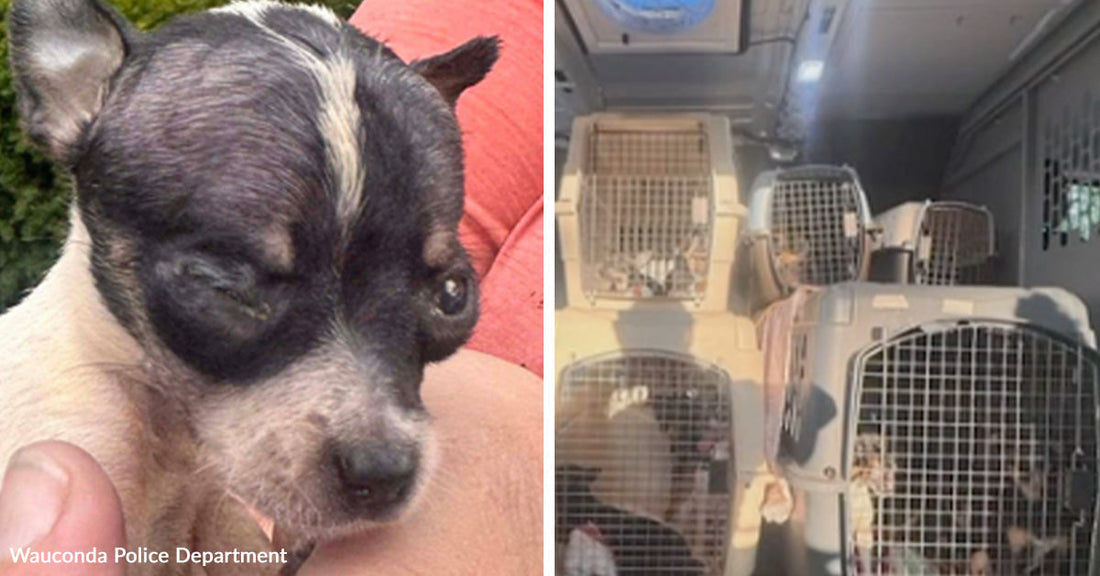
The recent rescue of 52 dogs from what authorities described as “horrendous” living conditions in Wauconda, Illinois, is a stark reminder of how easily animal cruelty can remain hidden behind closed doors. This case, centered on a single home and a single owner, highlights the importance of community vigilance, responsive law enforcement, and the life changing work of local animal rescue organizations. For anyone who cares about animal welfare or wants to understand how such situations unfold, the story of these 52 dogs rescued from a Wauconda home is both sobering and cautiously hopeful.
According to police in Wauconda, the situation came to light after a complaint reported many dogs living in “unsanitary and overcrowded conditions, with no air conditioning and evidence of inbreeding.” Officers were dispatched to a residence in the 200 block of Sky Hill Road. As they approached the home, they immediately noticed a strong odor of urine coming from the property, which signaled that something was very wrong inside.

The homeowner, identified by authorities as Carol Reith, reportedly told officers that she owned only four dogs and a recent litter of puppies. She is said to have allowed police into the house, but the conditions they encountered were so severe that officers could not remain inside. They reported “overwhelming odors of urine and bleach” that forced them to retreat. This detail suggests an environment where unsanitary buildup and attempts to mask or clean it coexisted, a combination that can be hazardous to both animals and humans.
The seriousness of the environment became even clearer when the fire department had to be called to assess air quality before law enforcement could continue the investigation. This is a crucial point. Responders were not only worried about the health of the animals but also about the safety of the officers and volunteers who needed to enter the home. Only after this assessment could the rescue proceed, and the full scope of the situation began to emerge.

Wauconda Police Department
Inside, they ultimately removed 52 dogs from the home. Amanda Dziekanski, Director of Reach Rescue, described the scene in stark terms. She reported that “what we saw once we went inside was just horrendous.” According to her account, there was “stuff everywhere,” the main floor had no lights so responders relied on flashlights, and all the windows were covered so neighbors could not see in. Dziekanski also explained that it was extremely hot inside and questioned how the dogs had been able to survive in those conditions. These details paint a picture of a house sealed off from outside view and from fresh air, an environment where animal hoarding and neglect could intensify unchecked.
The physical toll on responders was immediate. During the rescue, one animal control officer was bitten by a dog and required medical attention. Dziekanski shared that the smell was so severe that “your eyes would just water and burn the entire time that you’re in there.” Such descriptions underscore the intensity of the neglect. This was not a minor code violation. It was a situation that authorities concluded met the legal definition of animal cruelty.

Wauconda Police Department
The dogs, ranging in number far beyond what the owner had initially claimed, were quickly turned over to several organizations. Reach Rescue, Wags 2 Wishes Animal Rescue, Waukegan Police Animal Control, and Lake County Animal Care and Control all stepped in. Their roles are vital in cases like this. Law enforcement can remove animals from harmful environments, but rescue and animal control agencies provide the medical care, behavioral assessment, and safe housing that make long term recovery and adoption possible.
Lake County Animal Control evaluated the living conditions and determined that they constituted animal cruelty. City authorities then declared the house uninhabitable and red tagged the property, which means it cannot be legally occupied in its current state. This action reflects not only concern for animals but also recognition that such an environment poses significant health risks for any human residents.
In the legal aftermath, authorities charged homeowner Carol Reith with animal cruelty. According to the report, she is scheduled to appear in court on July 24 in Waukegan. As this moves through the court system, it will likely raise familiar questions about how situations involving so many animals can escalate without earlier intervention. While the article does not speculate about Reith’s motivations or background, similar cases often involve a complex mix of neglect, possible hoarding behaviors, and an inability or unwillingness to provide proper care.
For the dogs, however, the narrative has already begun to change. Dziekanski stated that “they’re never going to have to spend another day of their life like that.” Volunteers are getting the dogs checked by veterinarians, addressing immediate health needs, and preparing them for eventual adoption through their respective organizations. This stage of the story shifts the focus from cruelty to recovery. Each dog rescued from overcrowded, unsanitary conditions now has a chance at a safer, more stable life in a permanent home.
Animal rescue from hoarding and cruelty cases often involves long, careful work. Many animals from such environments may need medical treatment for infections, parasites, respiratory issues, or injuries. Behavioral support can also be critical, especially for dogs that have lived with little positive human interaction, limited socialization, or chronic stress. While the article does not detail their specific conditions, the described environment suggests that the organizations involved will be dedicating significant time and resources to rehabilitation.
I found it particularly striking that the windows were reportedly covered so neighbors could not see in. That single detail reveals how easily neglect can be hidden in plain sight and how community members who notice unusual smells, sounds, or patterns around a property can sometimes be the first line of defense. It appears that in this case, a complaint triggered the investigation that ultimately saved dozens of dogs. That underscores the importance of reporting suspected animal cruelty to local authorities or animal control.
At the same time, the collaborative response to this situation shows how different agencies and nonprofits can work together. Wauconda police, the fire department, Reach Rescue, Wags 2 Wishes Animal Rescue, Waukegan Police Animal Control, and Lake County Animal Care and Control each played a role. Their combined efforts turned a nearly unlivable environment into the starting point for dozens of new lives. Stories like this are powerful reminders that while cruelty exists, so does a strong network of people and organizations committed to protecting animals and ensuring they are not left to suffer in silence.
For those interested in supporting the ongoing recovery of these dogs, the article notes that volunteers are actively preparing them for adoption. Even for readers far from Wauconda, staying informed, supporting local shelters and rescues, and promptly reporting suspected neglect are meaningful ways to help prevent similar situations in their own communities.