
Eighty One Rescue Dogs Arrive In The Rain And Begin The Freedom They Were Nearly Denied
Guest Contributor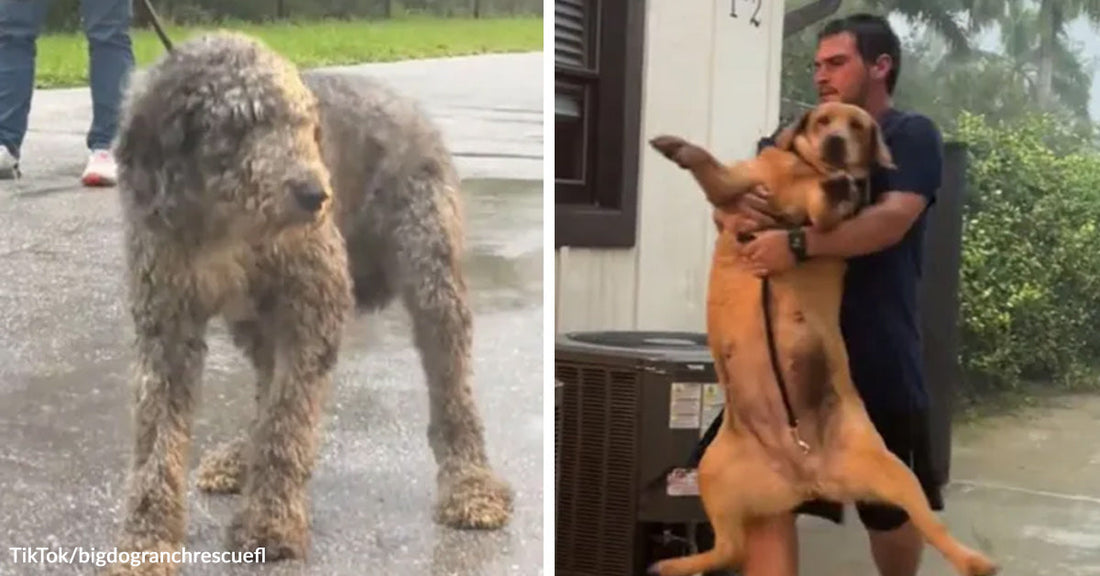
In a rain-soaked parking lot in Florida, 81 rescue dogs arrived on what volunteers called a “freedom ride,” leaving behind lives of neglect and uncertainty for a new beginning. The images from Big Dog Ranch Rescue, the largest no-kill rescue center in the United States, captured soaked fur, trembling paws, and careful hands lifting frightened animals off a converted Greyhound bus that had traveled 30 hours from the Midwest. For these dogs, many from commercial breeding operations where they had outlived their “usefulness,” this was the first step toward real safety and care.
The story behind this journey is both heartbreaking and hopeful. Big Dog Ranch Rescue, based in Florida on a 33-acre campus, sent a team to Minnesota and South Dakota after receiving word that multiple groups of dogs needed urgent help. Sixty-two dogs came from a puppy mill breeder in Edgerton, Minnesota, who was retiring and shutting down the facility. Another 10 were rescued in Luverne, Minnesota, and the remaining dogs were found on an abandoned reservation property in Sioux Falls, South Dakota. Many of these animals had known little more than confinement and routine breeding, which is why the phrase “freedom ride for rescue dogs” feels especially fitting.

When the converted Greyhound bus finally pulled into Big Dog Ranch Rescue in the pouring rain, volunteers and staff were ready. The aisles of the bus were lined with dog crates, each holding a confused, anxious animal about to step into an entirely different world. The team had to gently carry many of the dogs off the bus because some did not even know how to walk on a leash, or at all, in a way that resembled a beloved companion animal. Years of life in cramped cages had left them physically and emotionally unprepared for something as simple as walking beside a human.
Upon arrival at the Florida facility on October 11, all of the dogs were placed under a mandatory two-week quarantine, a standard practice for reputable animal rescues. During this time, each dog would meet with medical staff and receive a comprehensive health evaluation. Their care plan includes spaying or neutering, microchipping, in-depth medical examinations, dental checkups, and vaccinations. In roughly two weeks, once they clear quarantine and medical assessments, they are expected to be ready for adoption or fostering.
The transition from life in a puppy mill or abandoned property to a structured rescue environment is not only physical but deeply emotional. Staff and volunteers are now working slowly and patiently to introduce the dogs to experiences most pets take for granted, such as walking on a leash, feeling a kind human hand, or sleeping in a clean, quiet space. Many of the dogs initially flinch at touch or freeze in fear, unclear whether they will be harmed. The process of teaching them that human contact can mean kindness will take time, repetition, and consistency.
Big Dog Ranch Rescue’s CEO and founder, Lauree Simmons, described the transformation in terms that highlight both the hardship and the resilience involved. Simmons told Newsweek that it is deeply fulfilling to watch the dogs “blossom” day by day. In her view, it is remarkable that after enduring intense suffering, many of the animals can still learn to trust again. According to Simmons, each day the dogs emerge a bit more from their shells, gain confidence, and begin to interact with people and their surroundings in more relaxed, hopeful ways.
I found this detail striking, because it underscores an important truth about animal welfare: rescue work is not only about removing animals from dangerous or neglectful environments, it is also about guiding them toward emotional recovery. Watching an animal go from cowering in the back of a crate to cautiously wagging a tail or leaning into a volunteer’s hand is a quiet but powerful form of progress.
Big Dog Ranch Rescue focuses on more than just local needs. The team travels wherever they are needed, including areas affected by disasters such as hurricanes and floods, as well as situations where breeders are closing their operations. Since opening in 2008, the organization has rescued over 59,000 dogs. It has recently expanded its operations into Alabama and has plans to raise funds to open a facility in Texas. This kind of growth suggests both the scale of the problem and the commitment of those working to address it.
This latest mission also highlights the broader realities of dog breeding and animal shelters in the United States. The Humane Society of the United States estimates that there are around 10,000 puppy mills across the country, with fewer than 3,000 regulated by the U.S. Department of Agriculture. These high-volume commercial breeding facilities have often been criticized for harsh conditions, overcrowding, poor veterinary care, and a focus on profit rather than animal welfare. According to Simmons, increased public awareness and negative press about puppy mills have led more breeders to reach out to shelters and rescues when they have dogs they no longer want or need. Where such dogs might once have been euthanized without question, they now have a better chance of being surrendered to organizations like Big Dog Ranch Rescue.
Even with such interventions, the overall shelter landscape remains sobering. The American Society for the Prevention of Cruelty to Animals reports that about 6.3 million pets enter U.S. shelters each year, averaging roughly 17,260 animals every single day. Data from 24Petwatch’s Shelter Watch Report show that in January alone, shelters took in 46,807 dogs and cats, an increase of 1,744 compared with January of the previous year. Around 920,000 animals are euthanized annually, despite ongoing efforts to reduce these numbers.
Shelters and rescues are striving to change this picture through multiple strategies. Adoption campaigns encourage people to consider rescue dogs and cats as the first choice when adding a pet to their family. Spay and neuter programs work to reduce the number of unwanted litters. Behavior rehabilitation focuses on animals who might otherwise be at higher risk of euthanasia because of fear, anxiety, or past trauma. The story of these 81 dogs at Big Dog Ranch Rescue fits within this larger movement to promote more humane, sustainable approaches to pet guardianship and animal protection.
The emotional impact of the Big Dog Ranch Rescue mission has resonated far beyond the shelter’s property lines. A TikTok video documenting the rainy arrival of the bus and the unloading of the rescues drew a flood of supportive comments. Viewers thanked the staff and volunteers, calling them “angels” and blessing them for their compassion and hard work. That response reflects a growing awareness that behind every rescue story lie complex systemic issues, but also real opportunities for change. When people share, comment, donate, and, most importantly, adopt, they help turn one shelter’s “freedom ride” into a broader, ongoing journey toward better lives for animals.
For now, the 81 dogs who stepped off that bus in the rain are settling into a new rhythm. They are learning how it feels to walk on solid ground without fear, to meet a caring gaze instead of an indifferent one, and eventually to join families who will see them as more than a number in a kennel. Their story illustrates how organized rescue, responsible breeding choices, and community support can come together to rewrite the future for animals who have already endured too much. With each dog that learns to trust again, the idea of a kinder, more humane world for companion animals becomes a bit more real.