
More Than 800 Roosters Seized In A Brutal Cockfighting Bust That Shocked Veteran Investigators
Guest Contributor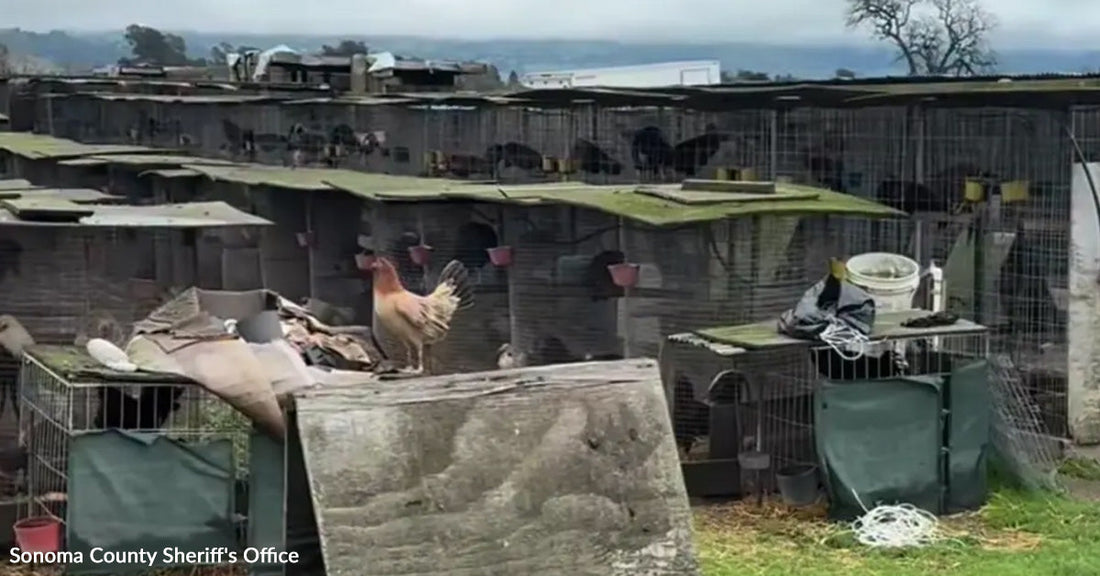
News from Sonoma County this week has drawn renewed attention to the hidden world of cockfighting and its impact on both animals and communities. Authorities report that 833 roosters were seized from a rural Santa Rosa property on Stony Point Road in what investigators are describing as a suspected cockfighting operation. For anyone who cares about animal welfare and public safety, the details of this case are difficult to ignore and highlight why cockfighting remains firmly illegal in all 50 states.
According to the Sonoma County Sheriff’s Office, the search warrant was carried out in collaboration with Sonoma County Animal Services and local code enforcement officers. The property sits on the 3000 block of Stony Point Road, an area that, on the surface, might look like any other rural stretch in the county. During the operation, investigators reported discovering significant evidence they say is consistent with organized bird fighting. The scale of the seizure alone, involving hundreds of roosters, points to an alleged operation that was far more extensive than a handful of birds kept in poor conditions.

Officials say they found a wide range of items typically associated with cockfighting. Among them were slashers, which are sharp implements sometimes attached to birds’ legs during fights, and timers that can be used to track match durations. Investigators also reported the presence of veterinary medications and conditioning supplements, which authorities often view as signs that animals are being prepared for competition rather than kept as ordinary livestock. Identification bands, betting slips, and small-denomination currency were also located at the scene. Together, these items paint a picture of organized activity centered on rooster fighting and gambling rather than casual or incidental bird ownership.
The Sheriff’s Office identified the suspect as 30-year-old Santa Rosa resident Saul Villalobos-Delacruz. He was booked on suspicion of animal cruelty and what are described as additional charges related to bird fighting. Jail records cited in the original report indicate that he was later released on pretrial supervision. While the legal process will determine the outcome of these allegations, the charges themselves reflect how seriously California treats cockfighting and cruelty to animals. For local authorities, this case appears to be part of an ongoing effort to address animal fighting operations in Sonoma County.
Cockfighting is prohibited throughout the United States, including California, where statutes specifically target both the act of fighting and the infrastructure that supports it. The practice is generally understood as involving roosters bred and conditioned to fight, often with sharp blades or gaffs attached to their legs. These fights can result in severe injury or death, and the animals have no real chance to escape the violence arranged for human entertainment. Beyond the immediate harm to birds, officials have repeatedly cautioned that cockfighting events are often linked to illegal gambling and other forms of criminal activity. The presence of betting slips and cash in this Sonoma County case appears consistent with those long-standing concerns.
In many communities, cockfighting does not occur in the open. Instead, it often takes place in rural or secluded locations, sometimes masked by legitimate agricultural activity. That is one reason multi-agency operations like the one on Stony Point Road are considered important. Law enforcement, animal services, and code enforcement each bring specialized tools and expertise, from identifying animal welfare violations to addressing zoning or building code issues that may signal something more serious. When those agencies work together, they can more effectively uncover the full scope of an alleged operation and ensure that animals receive appropriate care once removed from the property.
Sonoma County is not confronting this problem for the first time. In 2024, authorities reported uncovering what they described as “numerous” animal cruelty violations at another property on Stony Point Road. At that site, investigators said they found at least 1,000 game birds believed to be raised for fighting. That earlier case suggests that the area has seen repeated concerns about rooster fighting and the breeding of birds for that purpose. I found this detail striking because it shows that what might look like isolated incidents can in fact be part of a larger regional pattern that officials must address over time.
Past investigations in the county underscore the same theme. In 2018, sheriff’s deputies looking into a fatal shooting near Petaluma discovered what was described as a “sophisticated illegal cockfighting arena.” That discovery linked a violent crime investigation to an established animal fighting site, illustrating the way different forms of illegal activity can intersect. While every case is distinct, these examples from Sonoma County underline why local and state authorities have pushed for strong enforcement around cockfighting. It is not just about one event or one property, but about reducing an ecosystem of cruelty and related crime.
For the seized roosters in the current case, the immediate concern is their welfare. When law enforcement and animal services intervene in suspected cockfighting operations, they face the challenge of caring for large numbers of birds that may have been bred and trained specifically for aggression. These animals often require specialized handling, health evaluations, and sheltering. County animal services agencies are frequently placed under intense strain by such cases, managing both the physical needs of the animals and the evidence-gathering necessary for any subsequent legal proceedings.
From a broader community perspective, stories like this raise important questions about how to recognize and report potential animal fighting activity. Authorities have long encouraged residents to speak up if they notice large numbers of roosters kept in unusual conditions, frequent gatherings at odd hours, or other signs that do not align with typical farming operations. At the same time, investigators must carefully distinguish between lawful, responsible animal husbandry and illegal exploitation. That balance requires training, resources, and cooperation between local agencies and the public.
Ultimately, the seizure of 833 roosters in Sonoma County serves as a stark reminder of the continued presence of cockfighting despite its universal ban in the United States. It illustrates the intersection of animal cruelty, illegal gambling, and public safety concerns, as well as the ongoing efforts of law enforcement and animal welfare officials to address those problems. As this case proceeds through the legal system, it will likely remain part of a broader conversation in Sonoma County and beyond about how best to prevent animal fighting, support humane treatment of all animals, and ensure that rural communities are not used as hidden hubs for cruelty.