
Rescue President Charged After Nearly 100 Animals Found In Filth
Guest Contributor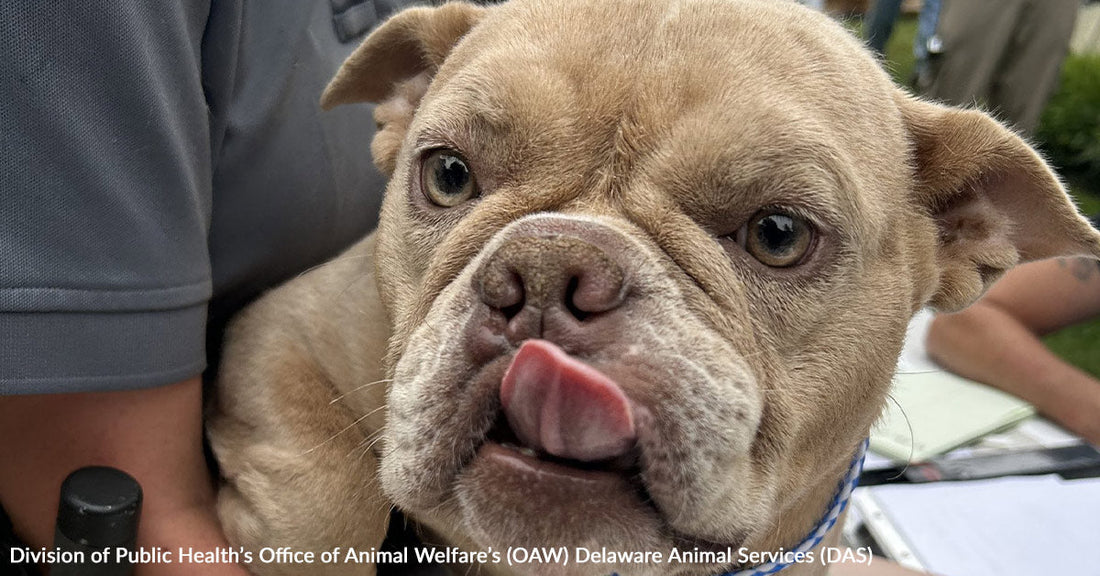
The recent announcement that the president of a Delaware animal rescue has been charged with animal cruelty has shaken many people who care about animal welfare. The case centers on a New Castle townhome where 98 animals were seized, including 49 cats, 42 dogs, and seven small animals. For anyone who follows animal rescue efforts or supports local shelters, this story is a sobering reminder that “rescue” is not always synonymous with safety.
According to the Delaware Division of Public Health’s Office of Animal Welfare, Delaware Animal Services carried out a search warrant at the New Castle residence after a joint investigation with New Castle County Code Enforcement. What they found inside was described as unsafe and unsanitary. A strong ammonia odor from excessive animal waste filled the home. Crates were stacked throughout the space amid trash and clutter, and pet waste coated floors, walls, and cages in a residence already infested with pests.

Outside the townhome, the situation was no better. Cages and kennels containing dogs and cats were scattered throughout the yard in various states of disrepair. Some animals reportedly lacked adequate housing or shelter from the elements. Others were living in their own waste. The conditions were so poor that New Castle Code Enforcement condemned the home.
The individual charged in this case is identified as 39-year-old Mark Ptomey of New Castle, founder and president of Pets and Wildlife Sanctuaries, Inc. Authorities report that he operated this rescue organization out of his residence. After his arrest, he was arraigned and released on unsecured bail. He faces 64 counts of misdemeanor animal cruelty, along with 72 dog housing violations, 27 dog licensing violations, and 68 rabies vaccination violations. Until the case is adjudicated, he is prohibited from owning or possessing animals.
Investigators and animal welfare officers spent an entire day at the property removing animals, transporting them for care, and collecting evidence. Several pets were discovered in severely poor health and were immediately taken to veterinary hospitals. Despite these urgent efforts, one cat, found unresponsive, died on the way to the veterinarian. Two more cats and one dog were later euthanized due to grave medical conditions.
Mark Tobin, Chief of Delaware Animal Services, spoke candidly about the sense of betrayal that cases like this create. He stated that the person charged “betrayed the community and the animals that he claimed to protect.” Instead of the sanctuary people might expect from a rescue, the animals were subjected to neglect and substandard living conditions. His comments underscore how deeply damaging it can be when organizations that present themselves as safe havens fail to meet even basic standards of care.
The nearly 100 surviving animals are now in the care of Brandywine Valley SPCA, the state’s contracted animal shelter. There they are receiving medical evaluation and treatment, proper nutrition, and safe housing. The shelter’s CEO, Adam Lamb, described the situation as an emergency and called on the community to step up. Brandywine Valley SPCA is encouraging people to sign up as emergency foster homes, consider adopting animals already in the shelter’s care, or donate toward the costs of helping these survivors.
The strain on animal shelters when large cruelty cases surface is significant. Taking in 98 animals at once requires staff time, medical resources, space, and ongoing support for both physical and behavioral recovery. Even for well prepared shelters, these sudden surges can stretch capacity. Lamb’s call for emergency fosters and donations speaks to the reality that meaningful animal cruelty responses rely not only on law enforcement and shelter staff but also on volunteers and community partners who are willing to share the load.
This case also highlights how vital it is for residents to recognize and report possible cruelty or neglect. The state makes it clear that if someone is concerned about an animal’s welfare, they should file a report with the appropriate animal services authorities. Acting on a concern can feel daunting, yet situations like this one show that early reporting may be the difference between prolonged suffering and timely intervention. Even if a person is uncertain, alerting professionals allows trained officers to investigate conditions that might be hidden behind closed doors.
When an organization uses terms like “rescue” or “sanctuary,” it can be easy to assume that animals there are automatically safe. This case suggests that thoughtful vigilance is important. Community members who support animal causes can ask basic questions about how many animals a group cares for, how they are housed, and whether there is a relationship with veterinarians or oversight by local authorities. While most rescues are run by committed people working hard for animals, accountability and transparency protect both animals and the public.
I found it striking that this case involved a relatively ordinary townhome rather than a remote property. It illustrates how serious neglect and overcrowding can develop in plain sight in residential neighborhoods. At the same time, it also shows how coordinated action by local agencies and shelters can bring animals out of crisis and into care, even when the initial situation appears overwhelming.
Ultimately, this story is about responsibility. On one side is the alleged failure of a rescue operator to provide even basic standards of cleanliness, shelter, and medical care. On the other is the response by animal welfare officers, public health officials, and shelter staff who moved quickly to protect vulnerable animals. For those who want to help, options include fostering, adopting, supporting reputable shelters, and staying alert to signs that an animal may be at risk. Together, these efforts can reduce the likelihood that animals will suffer in conditions like those described in New Castle and can support the organizations that step in when they do. Read more at https://news.delaware.gov/2025/10/01/president-of-delaware-animal-rescue-charged-with-animal-cruelty/