
Abandoned Cat Refuses To Leave Her Frozen Friend Behind Even In Deadly Cold
Guest Contributor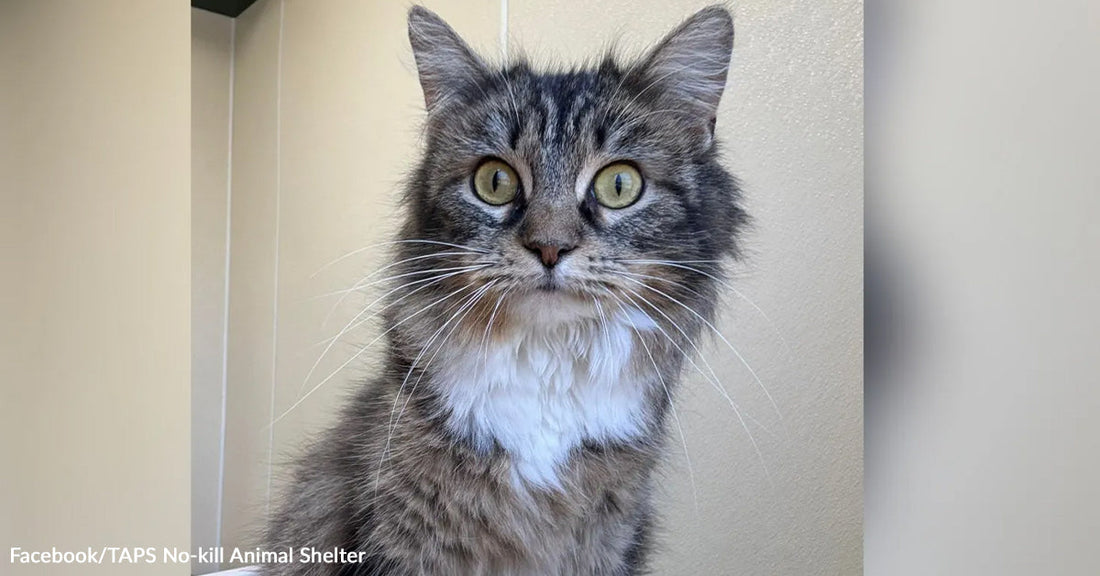
Stories about animals often reveal as much about people as they do about pets. In the case of Elizabeth, an abandoned cat in Illinois who refused to leave her frozen friend’s side, the story is both heartbreaking and quietly hopeful. It highlights the deep bonds animals can form with one another, the terrible risks of leaving pets outside in extreme cold, and the compassion that shelters and neighbors can show when a situation turns dire. For anyone who cares about companion animals and winter pet safety, Elizabeth’s experience is a powerful reminder of what is at stake when the temperature drops.
According to accounts shared with Newsweek, the story began in January when a neighbor in Fulton County, Illinois, noticed something was wrong after people moved out of a home in snowy, single digit weather. Two cats had been left behind outside in the snow. The neighbor saw that these animals, once part of someone’s household, were now exposed to harsh winter conditions without protection. Tori Menke, executive director of TAPS No-Kill Animal Shelter, later explained that it was around five degrees at the time, and no one knew exactly how long the animals had been outside.

By the time help arrived, the scene was devastating. A male cat was found frozen solid to the ground and had already passed away. Near him was Elizabeth, a female cat who had stayed by his side through the freezing temperatures. The shelter’s February 13 Facebook post described how Elizabeth refused to leave her frozen companion, remaining next to him even as the cold intensified around them. That image, of a surviving cat keeping vigil beside a fallen friend, left many viewers stunned and deeply moved.
Animal control in Fulton County took Elizabeth in after the male cat was found deceased. She spent a short time there before being transferred to TAPS No-Kill Animal Shelter on February 8. Once she arrived, shelter staff quickly saw that she was not only a survivor of a traumatic experience but also an affectionate and social cat. Menke described Elizabeth as very friendly, sweet, and loving, a cat who, despite everything, still sought human connection. That contrast between what she had endured and how gently she interacted with people made her story resonate even more.
The shelter shared Elizabeth’s journey and a photo of her striking green eyes on social media. The post that detailed how she never left her frozen friend’s side spread quickly, collecting thousands of reactions and hundreds of shares. For many people who read about her, Elizabeth became a symbol of loyalty and quiet resilience. The post also served as an unflinching look at what abandonment in extreme cold can truly mean for companion animals.
Commenters poured into the shelter’s Facebook page expressing grief, anger, and hope. Some wrote that they could not understand how anyone could leave cats behind in such dangerous weather. One person said that the thought of what happened made them feel physically ill while another spoke of hoping for karmic justice for those responsible. Others chose to focus on Elizabeth’s future, sharing wishes that she would soon have a safe, cozy, forever home. Many expressed gratitude to the neighbor who spoke up and to the shelter staff who stepped in to care for her.
I found it striking that even in a story that begins with such sorrow, the public response quickly shifted toward compassion and concrete help. The shelter reported that Elizabeth received a wave of adoption interest soon after her story was posted. Menke indicated that she was expected to head to a new home before long, suggesting that this survivor of the snow would not remain in the shelter for very long. That outcome does not erase what happened, but it does illustrate how awareness and empathy can change the trajectory of an animal’s life.
Elizabeth’s experience also highlights the stark reality of winter weather for outdoor animals. Animal welfare organizations consistently warn that freezing temperatures can pose a serious and sometimes fatal threat to pets, especially those who are abandoned or left outside without proper shelter. Hypothermia and frostbite can develop quickly when temperatures plunge into single digits. In this case, those conditions cost one cat his life and nearly took another. A running list compiled by People for the Ethical Treatment of Animals, based on media reports from this winter, has recorded dozens of companion animals who died due to the cold and hundreds more who needed rescue.
Experts stress that if someone sees an animal left outside in extreme cold, they should not assume that everything is fine. The Humane World for Animals, formerly known as the Humane Society of the United States, encourages people to speak up and report animals in distress to local animal control or shelters. If the owner is known, the organization suggests a polite conversation about winter pet safety, recognizing that some people might not fully understand the risks that ice, wind, and low temperatures pose for cats and dogs.
For those responsible for their own pets, practical steps can make a critical difference. Animal welfare guidance typically recommends limiting outdoor time when temperatures drop, especially for short-haired animals or those not accustomed to the cold. Visible signs such as shivering, lifting paws off the ground, or clear discomfort are signals that a pet should be brought inside. Protective gear like pet booties or paw balm can help shield paws from ice, salt, and chemical de-icers, and rinsing a pet’s feet after a winter walk helps remove irritants. Many guardians also use coats or sweaters for dogs or short-haired pets when heading outside in frigid weather, something that can be particularly important during extended walks. Even for animals that must remain outdoors for certain periods, dry, insulated shelter and access to fresh, unfrozen water are essential.
Elizabeth’s story shows what can happen when those precautions are not taken. It is also a reminder of the role community members can play. A single neighbor noticing cats abandoned in the snow and deciding to act set in motion a chain of events that brought Elizabeth to safety. From there, shelter staff, veterinarians, volunteers, and potential adopters each became part of her journey away from danger and toward a stable home. Her survival is not just a testament to her own endurance, but also to the power of intervention when someone chooses not to look away.
As winter continues in many regions, the image of Elizabeth staying beside her frozen friend lingers as a quiet call to pay attention. It asks people to look more closely at animals who might be struggling outside their homes and to understand how quickly conditions can turn deadly in extreme cold. In sharing stories like hers, shelters and news outlets are not only honoring one cat’s bond and bravery, they are helping others recognize the warning signs and the steps needed to keep pets safe when temperatures fall. Read more at Newsweek