
Shelter Worker Arrives Early And Finds 19 Cats In Carriers Dumped At Gate
Guest Contributor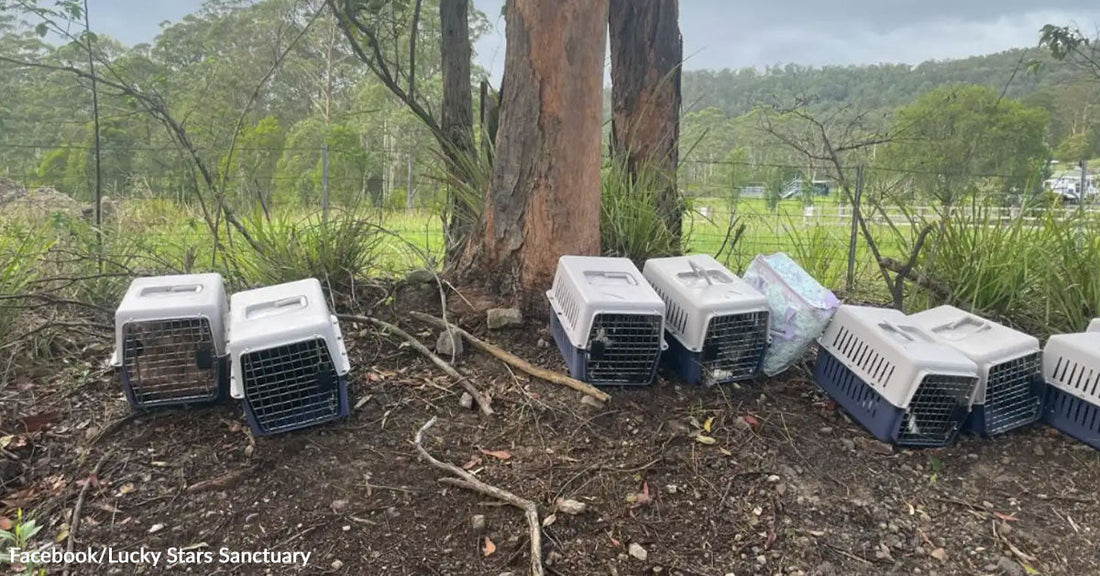
Arriving at an animal rescue before the day officially begins usually means a quiet walk through familiar spaces. For project manager Anna Seares at Lucky Stars Sanctuary in New South Wales, Australia, a recent early shift turned into something else entirely. As she approached the front gate on a gray February morning, she found 13 pet carriers sitting in the gravel. Inside those carriers were frightened, neglected cats who had been abandoned during the night. It is the kind of scene no animal rescuer ever wants to face, yet it is also the beginning of a story about resilience, patient care, and cats learning to trust again.
Seares described her “immediate reaction” to the sight as shock and heartbreak. The carriers appeared without warning, with no note or explanation, and no way to know how long the animals had been left outside. In animal rescue work, time matters. Exposure to the elements and the anxiety of being confined in an unfamiliar place can quickly become dangerous. That uncertainty made the moment especially overwhelming for the team at Lucky Stars Sanctuary, who suddenly had 19 lives depending on them.

Facebook/Lucky Stars Sanctuary
Once staff looked inside the carriers, they realized the scale of the situation. A total of 19 cats had been abandoned at the sanctuary. The animals were clearly terrified by the strange surroundings and the ordeal of their journey. Seares observed that the cats “were very shut-down,” a phrase that captures how deeply stress can affect animals. When cats reach that shutdown state, they may freeze, hide, or refuse to interact, making it hard to assess what they need most urgently.
Veterinarians stepped in to examine the new arrivals, and what they found suggested a long-term pattern of neglect. Many of the cats were too thin. Some were covered in fleas. Their overall condition led the vets to suspect that the animals had spent much of their lives in cages, with little or no opportunity to stretch, explore, or play. Life in a confined space can be physically damaging and emotionally draining for any animal. It often leaves pets unaccustomed to normal household sounds, social interactions, and even basic movement.

Facebook/Lucky Stars Sanctuary
The veterinary team estimated that all of the cats were under 2 years old. These were young animals and, in different circumstances, might have been starting playful, curious lives as beloved companions. Instead, they arrived at the rescue scared, underweight, and carrying the clear marks of inadequate care. This detail is striking because it illustrates how quickly neglect can shape an animal’s development in its earliest years.
After the initial examinations, each cat received medical attention tailored to its condition. The team focused on stabilizing their health, treating the flea infestations, and beginning the process of helping them feel safe. They also ensured the cats were microchipped and vaccinated. Microchipping is a standard step in responsible pet care and rescue that connects an animal to its records and future home, while vaccinations lower the risk of contagious illnesses that can spread easily in shelter environments.
Some of the kittens were strong enough to move directly into foster homes after their initial treatment. Others remained under the care of an emergency veterinary team for further recovery. This kind of decision-making reflects a careful balance between providing urgent medical care and ensuring that animals are placed in the calmest, most supportive setting possible. A foster home can offer quiet space, individualized attention, and consistent reassurance, which are particularly important for frightened cats who need time to decompress.
As the days passed, the cats began to show encouraging signs of recovery. Seares reported that “they are doing so much better now.” A significant turning point came when the cats started to realize they were safe. Once that understanding took hold, their personalities began to emerge. Some became notably affectionate, seeking out people for constant love and reassurance. Others remained more timid, but even these shy cats gradually started to relax, especially in the patient environment of foster care.
The transformation is a reminder of how adaptable many animals can be when given security, consistent care, and time. Cats that arrived withdrawn and overwhelmed are now learning to play, explore, and accept gentle touch. Observers often see this shift as a visible sign of healing. It can begin with small changes such as stepping out of a hiding place, responding to a toy, or leaning into a hand for the first time.
Even as the team celebrates the cats’ progress, there is a lingering concern about how they came to be abandoned at the sanctuary gate. Seares and her colleagues wish the person responsible had reached out for help rather than leaving the animals in carriers outside. She explains that abandoning animals is “very traumatic for them.” When left outdoors, they are exposed to harsh weather, potential predators, and intense stress. There is also no guarantee that anyone will find them in time. From an animal welfare perspective, surrendering a pet safely or asking a rescue for assistance is far kinder than leaving them in a vulnerable state.
This situation speaks to common challenges that animal shelters and sanctuaries face. Many organizations encourage people to contact them, even in difficult circumstances, so they can collaborate on safe solutions. While resources can be stretched, open communication at least gives rescues a chance to prepare and respond appropriately, rather than discovering animals without warning in potentially dangerous conditions.
Despite the painful way this story began, its current chapter is far more hopeful. The once neglected cats are now eating regularly, being cared for medically, and experiencing positive human interaction. Their former lives, likely confined and deprived of enrichment, are now behind them. In foster homes, caregivers are helping them learn that humans can be gentle and that the world can be bigger than the inside of a cage. Some are thriving as affectionate companions, while the more reserved cats are making slow, steady progress on their own timelines.
The journey from a gravel driveway filled with abandoned pet carriers to a future filled with safety and affection shows the impact of dedicated animal rescue work. It also highlights the importance of compassion, both from organizations like Lucky Stars Sanctuary and from individuals who choose humane options when they cannot care for their animals. These 19 young cats have gone from being shut down and scared to blossoming into themselves, and now they are ready to leave their past behind and move toward loving, stable homes.