
Shelter Worker Finds Crate Packed With Wet Puppies In Storm
Guest Contributor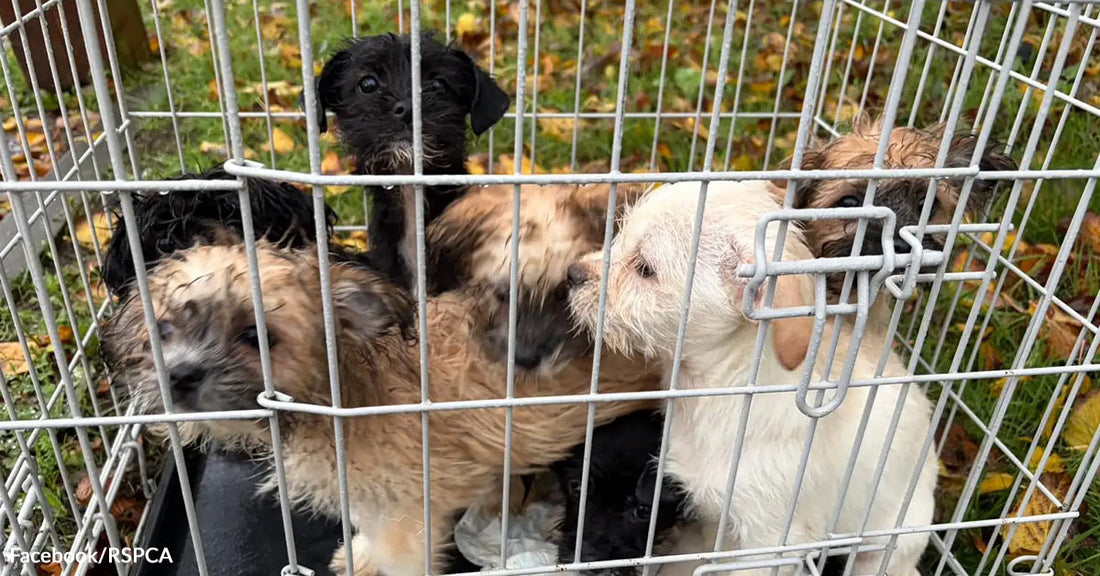
On a stormy Saturday morning in Doncaster, an ordinary start to the day turned into a rescue mission. An employee arriving for work at the RSPCA Doncaster and Rotherham District Branch spotted a crate left near the shelter gates and quickly realized something was very wrong. Inside that small, abandoned container were seven wet and cold puppies, crammed together with no food, no water, and no protection from the pouring rain. What began as a heartbreaking discovery soon became a story of swift compassion and second chances for a vulnerable litter of abandoned puppies.

Facebook/RSPCA
The crate had been left at the side of a main road rather than directly by the building. According to branch manager Daniel Cartwright, this location put the puppies in even greater danger. They were not only exposed to punishing weather, but also close to passing traffic and far from immediate safety. Cartwright explained that their conditions were worrying, particularly given the cold and rainy weather that had swept through the area over the weekend. Looking at the scene, staff could see how easily things might have taken a tragic turn if they had not been discovered when they were.
Inside the crate, seven small faces peered out, frightened and confused. The puppies were soaking wet and visibly shivering. The space was far too tight for so many little bodies, and they had no way to stretch out or move comfortably. I found this detail striking because it captures how vulnerable they were, unable to help themselves, reliant entirely on someone noticing them in time. Although there was no way to know exactly how long they had been left out in the storm, the staff believed it had not been very long, which likely helped spare the pups from more serious harm.

Facebook/RSPCA
Once the puppies were brought safely inside, the atmosphere changed from alarm to determined care. Shelter staff moved quickly to warm them up and tend to their immediate needs. They gave them baths to clean away the rain and dirt, then wrapped them in soft, cozy blankets. Food and fresh water were provided, and the crate was replaced with a warm indoor space. According to Cartwright, the puppies were initially confused, but they soon began to relax and enjoy the attention and affection of their caregivers.
That shift from fear to comfort is one of the most moving parts of this story. The workers at the RSPCA branch did not just provide the basics of survival. They offered kindness and reassurance, which helped the puppies realize they were finally safe. Staff made time to cuddle and comfort them, turning a traumatic experience into the beginning of a more secure life. As the puppies dried off and warmed up, their personalities started to emerge, showing that they were not just survivors, but lively and resilient young dogs.
In a touching and fitting gesture, the team decided to name the puppies after storms. Each pup received an individual name that acknowledged the wild weather that had been raging around them when they were found. The litter became Bram, Dave, Eddie, Marty, Oscar, Patrick, and Wubbo. These names reflect the unusual circumstances of their arrival and also give each puppy a distinct identity as they begin their journey toward recovery and, ultimately, adoption. Cartwright shared that they were doing really well and that all appeared to be healthy, a promising sign after such a difficult start.
At the same time, there is no hiding the sadness at the heart of what happened. Cartwright described it as heartbreaking to think that someone had simply discarded the puppies in that way. Leaving such young animals in a crate near a road, exposed to heavy rain and cold, not only put them at immediate risk from the elements, but also from any number of potential dangers in a public space. Stories involving abandoned pets often raise quiet questions about what led to such a decision, though in this case the focus has been on the puppies’ recovery and care.
The puppies are now safe and much more relaxed, enjoying a vastly different life from the one they faced in the crate. Staff at the RSPCA Doncaster and Rotherham Branch are continuing to pamper and monitor them, making sure they gain strength and remain healthy. These early days at the shelter will help set them up for a more secure future. As they grow and become ready for adoption, they will be matched with new families who can provide the stable, loving homes they deserve. Until then, they are surrounded by people committed to their wellbeing.
For many readers, the image of seven frightened puppies huddled in a crate by the road captures the importance of local shelters and rescue organizations. It highlights how critical it is for such services to be present, staffed, and prepared, even in difficult weather. A simple morning arrival turned into a lifesaving intervention, the kind of everyday heroism that rarely makes headlines but changes lives in quiet, powerful ways. Stories like this also serve as a reminder that if someone feels unable to care for animals in their home, seeking help from organizations like the RSPCA can prevent risky abandonment.
The RSPCA branch is also hoping to learn more about the puppies’ background. They have appealed for the person who left them to come forward, not out of hostility, but to gather information about the puppies’ medical history. Having details such as previous care, vaccinations, or any known conditions can make a meaningful difference in how the shelter continues to support them. This open request reflects a practical focus on the animals’ long-term health, as well as an understanding that cooperation, even after abandonment, can still help the puppies.
In the end, this rescue story from Doncaster is both sobering and uplifting. It begins with an act of abandonment in harsh weather, but it is quickly met with human compassion, professional care, and genuine concern for the welfare of seven small lives. Bram, Dave, Eddie, Marty, Oscar, Patrick, and Wubbo have gone from being wet and cold in a roadside crate to being valued, protected residents at a shelter that is actively preparing them for brighter futures. Their experience illustrates how awareness, quick action, and dedicated animal welfare teams can change the outcome for vulnerable animals in need.