
🚨Urgent: Missile Strikes Shelter in Ukraine! Rush Emergency Aid!
Advancing Diabetes Technology at VA Empowers Veterans to Thrive
Guest Contributor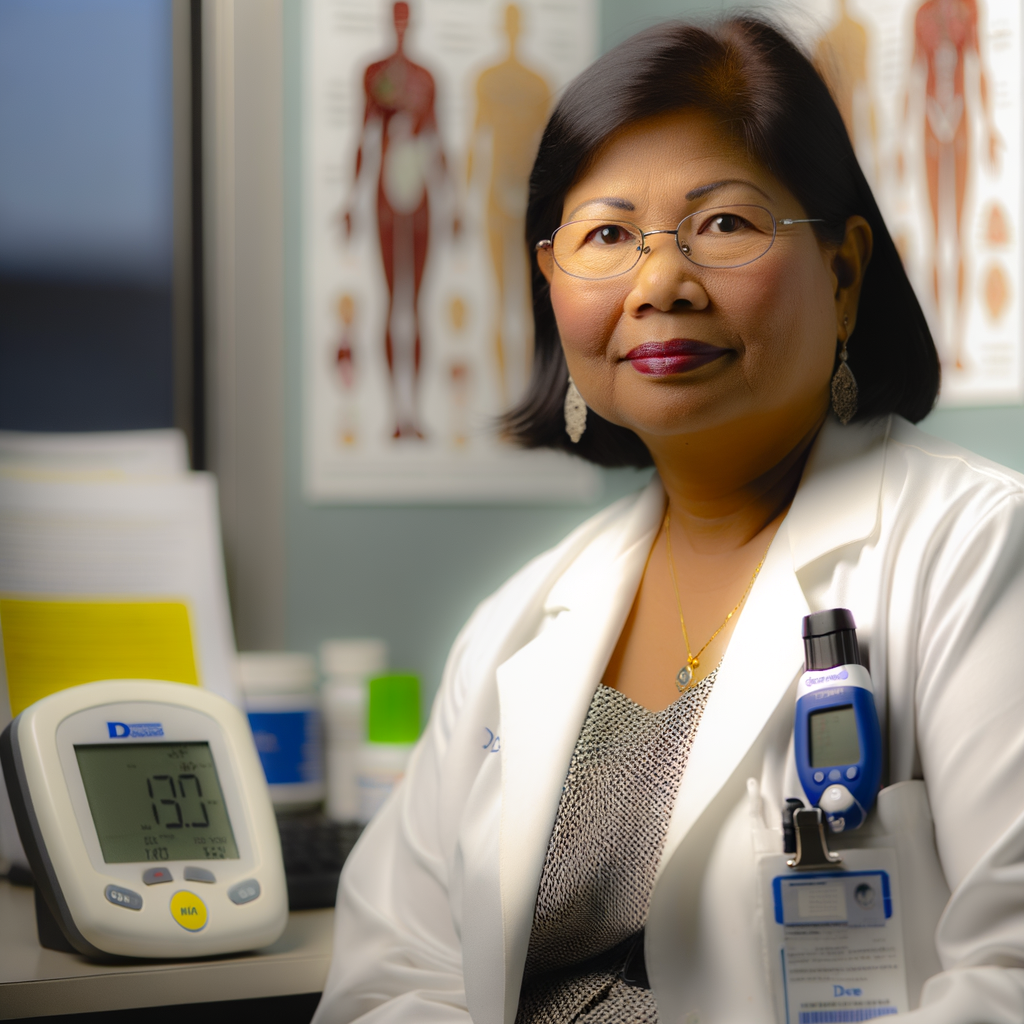
New advancements in diabetes care are changing the way Veterans manage their health, thanks to the dedicated efforts of clinicians at the VA Maryland Health Care System (VAMHCS). Leveraging tools like continuous glucose monitoring (CGM) devices and automated insulin delivery (AID) systems, the VA is expanding access to life-changing technology for Veterans living with diabetes. These innovations not only improve clinical outcomes but also empower individuals to take control of their condition with greater ease and confidence.

One of the driving forces behind this technological transformation is Lakshmi Singh, a clinical pharmacist practitioner and Diabetes Technology Program coordinator at VAMHCS. Diagnosed with type 1 diabetes at the age of 24 while attending pharmacy school, Singh brings both professional expertise and personal experience to her role. Her journey began with multiple daily insulin injections and a CGM device, a combination that laid the foundation for her passion in diabetes care. “I was long interested in diabetes, even before I myself became diagnosed,” Singh shared, reflecting on her early motivation.

Initially, CGM devices were reserved for patients who required multiple injections per day. However, the Veterans Health Administration has since broadened its criteria, now allowing CGM use for individuals who need only a single daily insulin injection. This policy shift significantly increases access, enabling thousands more Veterans to benefit from real-time glucose tracking and better glycemic control. Singh led a multidisciplinary team to implement this change across VAMHCS, ensuring that more Veterans could integrate this technology into their daily routines.
CGM devices, especially when paired with insulin pumps, can form a hybrid closed-loop system that automates insulin delivery based on glucose readings. This automation not only relieves patients of constant monitoring but can also reduce the risk of complications associated with diabetes. Singh’s leadership in coordinating these efforts reflects a broader commitment within the VA to provide cutting-edge diabetes care to those who served.
Beyond CGM, Singh is also a staunch advocate for the use of AID systems among all insulin-dependent patients, including those with type 2 diabetes. Working alongside Dr. Elias Spanakis and Jade Churchill, Singh co-investigated an international 13-week clinical trial that enrolled 319 adults with type 2 diabetes. The study, published in the New England Journal of Medicine, demonstrated significant reductions in A1c levels among participants using AID systems. These findings contributed to the Food and Drug Administration’s decision to approve the expanded use of AID technology for type 2 diabetes patients.
The impact of these technologies is not just clinical—it’s deeply personal. Veterans like Andrew Francis and Howard “Jim” Carney have experienced firsthand how modern tools can transform diabetes management. Francis, a 28-year-old Marine Veteran, initially struggled with traditional finger sticks and insulin injections. He also had a negative early experience with CGM devices. However, Singh encouraged him to give the technology another try. “The technology has advanced so much. I can use my [smartphone] to control the device,” Francis said, highlighting how user-friendly features have made a tangible difference in his daily life.
Carney, a 90-year-old Army Veteran, has lived with type 1 diabetes for over five decades. Under Singh’s care, he was introduced to the latest in diabetes management technology. “I have all good things to say about my care at VA, particularly Singh, who is the best,” he shared. He especially appreciates the device’s ability to alert him during episodes of low glucose, allowing for timely and potentially life-saving interventions.
Singh’s dedication to expanding access to diabetes technology reflects a broader mission to reduce the burden of chronic disease on Veterans and their families. “I want to make sure that Veterans in our care who are living with diabetes get every treatment option available to them,” she said. “Technology can transform their lives and reduce the burden on families.”
I found this detail striking: Singh’s personal experience with diabetes not only informs her clinical practice but also fuels her determination to advocate for broader access and better tools. Her dual perspective—as both a patient and a provider—adds a unique depth to her leadership in the field.
The integration of CGM and AID systems into VA care represents a significant step forward in how diabetes is managed among the Veteran population. These tools offer more than just convenience; they provide peace of mind, reduce the risk of complications, and foster a sense of autonomy in managing a chronic condition. With professionals like Singh at the helm, the VA continues to lead in delivering innovative, compassionate care that honors the service and sacrifices of America’s Veterans.