
George Stephanopoulos and Ali Wentworth Find Hope in Rescue Puppy Fig
Guest Contributor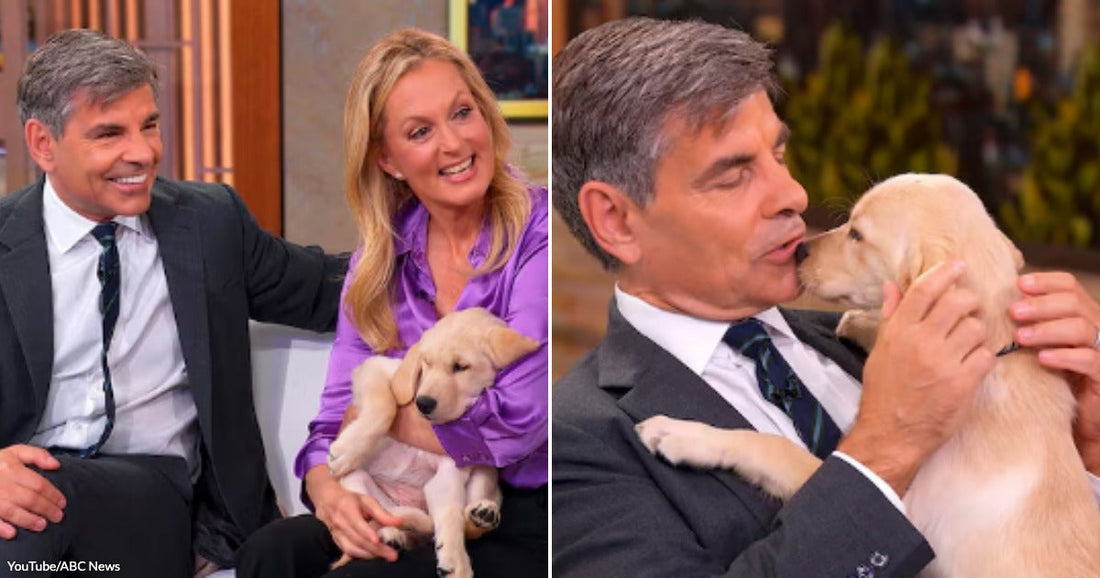
There is something quietly hopeful about a family that finds room in its heart for a new pet after loss. That feeling is at the center of the story of George Stephanopoulos and Ali Wentworth, who recently welcomed a new golden retriever puppy named Fig into their home. Their decision to adopt a rescue dog after the death of their beloved Cooper reflects both a personal journey through grief and the broader impact that adoption can have on animals in need. For anyone who has loved and lost a pet, the adoption of a new puppy after grief can feel like both a tribute and a fresh start.
Cooper, the family’s previous dog, died in May after a battle with cancer. Wentworth shared that they went through a mourning period as they navigated his illness and loss. In time, she realized she had, as she put it, the “bandwidth to give other dogs a great life.” That simple recognition captures an experience many pet lovers know well. The space a pet leaves behind never really closes, but it can expand to include another animal who needs a home. Instead of trying to “replace” Cooper, the family chose to honor what he meant to them by opening their home to a rescue dog.

YouTube/ABC News
To find their new companion, Stephanopoulos and Wentworth connected with 1 Love 4 Animals, a nonprofit animal rescue located in Chester County, Pennsylvania. The organization focuses on saving animals from difficult circumstances, including puppy mills and overcrowded shelters. At the rescue, the couple met several dogs that were up for adoption. Among them were five golden retrievers and two mixed-breed puppies. Surrounded by options, they took their time, meeting each animal and working with the team at the rescue to get a sense of which dog might fit their family.
In the middle of all those dogs, one puppy caught their attention in a way that felt immediate and memorable. Wentworth recalled looking at a particular little golden retriever and hearing her presence almost speak. The puppy seemed to say, through her personality and expression, “Hi, I might be cuter than everybody in this family.” That playful remark from Wentworth captures how quickly a connection can form between humans and animals. It is often not a list of traits or a prepared checklist that decides the match, but a moment of recognition.

YouTube/ABC News
Initially, Wentworth thought she wanted a male dog, especially since the couple has two daughters. The idea of balancing out the household with a boy dog made sense on paper. Yet when she met this particular puppy, that plan faded. The little female golden retriever simply “caught” her eye. That shift from preference to instinct is familiar to many who have adopted a pet. People often begin the process confident they know exactly what they want, only to find themselves surprised by the dog or cat who actually feels right.
The puppy, soon to be named Fig, was 12 weeks old when the adoption was finalized. Wentworth described her as “really sweet,” a quality that fits comfortably within the golden retriever reputation for gentle, friendly temperaments. Knowing that this animal had already found herself at a rescue at such a young age makes her story especially meaningful. At just three months old, Fig had already needed a second chance.

YouTube/ABC News
Wentworth shared a sobering detail about what might have happened if Fig had not been adopted. She explained that if this puppy had not found a home, she probably would have spent her life in a cage as a breeder. For many dogs, particularly purebred or popular breeds, life in certain breeding operations can be defined by confinement and repetitive breeding with little enrichment. That reality is part of what motivates rescues like 1 Love 4 Animals and part of why dog adoption stories resonate so strongly with animal lovers.
By choosing to adopt Fig from a nonprofit animal rescue, Stephanopoulos and Wentworth aligned their personal story of healing with a larger mission. Organizations such as 1 Love 4 Animals work to rescue dogs from puppy mills and crowded city shelters. Each adoption does more than create a new family bond. It also frees up space and resources for the next animal waiting for help. In that sense, Fig’s adoption is both an intimate family moment and one step in a wider chain of care that reaches many other dogs.
The rescue’s efforts extend beyond their local work. They are joining more than 20 other organizations at the Broadway Barks adoption event scheduled in New York City on July 12. Events like this bring together animal shelters and rescues so they can showcase adoptable pets and connect them with potential adopters. They also help raise awareness about the importance of animal adoption and the conditions faced by animals in under-resourced shelters or commercial breeding facilities. When recognizable public figures participate in rescue stories, it can draw additional attention to these causes and encourage more people to consider adopting rather than shopping for a pet.
For many families, adopting a dog from a rescue is both an emotional and a practical choice. There is the joy of finding a companion and the responsibility of offering a stable, loving home. Fig’s story highlights how adopting a rescue dog can intertwine personal healing with compassionate action. The family had to be ready to welcome a new life into their home. That readiness came only after acknowledging their loss and moving through a period of grief after Cooper’s death. When they reached that point, they chose to look outward, toward dogs who needed help.
Many pet owners will recognize themselves in that process. Losing an animal can feel like losing a family member. Deciding to adopt again can bring up guilt, hesitation or fear of future loss. Yet the bond that forms with a new pet does not erase the love that came before. Instead, it can become another chapter in a long story of connection between humans and animals. Fig’s arrival in the Stephanopoulos-Wentworth household appears to be just such a chapter, built on the memory of Cooper and sustained by a commitment to giving a rescue dog the life she might never otherwise have had.
I found it striking that what began as a straightforward search for a new dog turned into a narrative that touches on grieving, instinct, and ethical choices about where pets come from. One small puppy stepping into a television anchor’s home might seem like a light celebrity moment, yet embedded in that story is a reminder that thousands of animals are waiting for a similar chance. For anyone considering a new pet, the example of adopting a rescue puppy like Fig is a gentle prompt to look toward shelters and nonprofits first. Fig’s journey from a rescue in Pennsylvania to a loving home shows how one decision can change an animal’s entire future.