
Dead Horses Found On Property As Owner Faces Cruelty Charges
Guest Contributor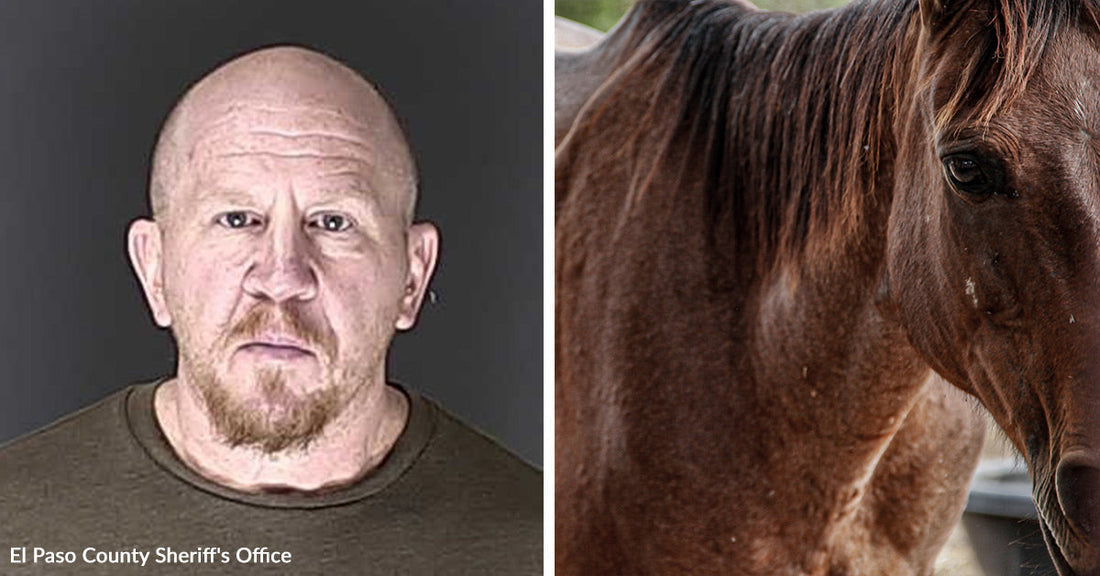
The arrest of 52-year-old Robert Lee Wilson in El Paso County, Colorado, has drawn intense concern from animal welfare advocates and community members alike. According to a press release from the El Paso County Sheriff’s Office, deputies discovered two deceased horses on Wilson’s rural Yoder property and another horse was later euthanized due to the severity of his or her condition. Cases of aggravated cruelty to animals are always deeply troubling, and this one highlights how vital community reports and rapid intervention can be when animals are in distress.
Deputies were first called to the 12500 block of South Lauppe Road on April 8, 2026, after someone reported seeing a dead horse on the property. The reporting party explained that the horse’s body was clearly visible from the road and also shared a serious concern. They believed that other horses on the property had no access to food or water. That single report set in motion a series of events that revealed a grim situation for the animals living there.

When deputies arrived to conduct an animal welfare check, they began an initial assessment of the scene. They quickly located one deceased horse on the property. While assessing the remaining animals, deputies determined that immediate action was necessary to safeguard their wellbeing. The Sheriff’s Office notes that there was no water available on the property at that time, so the responding deputies promptly provided water to the surviving horses. It is a small but powerful detail that underscores how quickly conditions for animals can deteriorate when even basic needs are not met.
Recognizing the seriousness of what they had found, deputies requested assistance from the Sheriff’s Office Specialized Patrol Unit. This unit includes members trained in equine animal welfare guidelines, which is critical when dealing with large animals such as horses. They assumed control of the investigation, bringing specialized expertise to support the surviving horses and to document the condition of the property and animals for potential criminal charges.
The following day, on April 9, 2026, law enforcement and support teams returned to Wilson’s property for a more comprehensive follow-up. Alongside deputies, a veterinarian, the brand inspector, and representatives from a local horse rescue organization were present. Their combined roles ranged from medical assessment and treatment to legal documentation and potential long-term placement for any rescued animals.
A drone was deployed to survey areas of the property that might be difficult to reach on foot or see from the ground. During this aerial search, the team discovered a second deceased horse. The use of a drone in this context illustrates how modern tools can assist in animal cruelty investigations, helping authorities locate animals that might otherwise be missed.
On site, the veterinarian examined the two remaining horses still alive on the property. After evaluation, the veterinarian advised deputies that both horses required urgent medical attention. As a result, the animals were transported to a local veterinary clinic for intensive care. The Sheriff’s Office later reported a heartbreaking development. Once at the clinic, one of the horses had to be euthanized due to the severity of his or her condition. The remaining horse was described as being in critical care, showing signs of advanced malnourishment.
Necropsies were then performed on the deceased horses to determine their cause of death. Necropsy findings in animal cruelty cases are often essential to building a clear picture of what the animals experienced and whether criminal charges are warranted. While the specific conclusions of the necropsies are not detailed in the public statement, the timing of later events suggests that the results were significant in the progression of the case.
On May 13, 2026, after necropsy results became available, deputies took Robert Lee Wilson into custody. He was booked into the El Paso County Jail on three counts of aggravated cruelty to animals and one count of cruelty to animals. His bond was set at 10,000 dollars. Online records referenced in the report indicate that Wilson posted bond and was released from custody after doing so. Court records cited by the source further show that Wilson is scheduled to return to court on May 22, 2026, at 10:00 a.m.
The Sheriff’s Office shared Wilson’s mugshot in connection with the press release, and Voice For Us, the outlet relaying this information, emphasized that the story is based on that official communication. They also included an important disclaimer. As with any case moving through the legal system, circumstances may change over time. Charges can be dropped or dismissed, and cases can be purged. Voice For Us notes that if official documentation is provided showing such changes, the article will be rectified accordingly. That reminder is a useful one, underscoring that a criminal case is an evolving process, and public information can be updated as new facts emerge.
I found it striking that a member of the public noticed a horse in distress from the road and chose to report it. That single act not only brought attention to a deceased animal but also likely saved at least one surviving horse that was described as critically malnourished. It highlights how vital community awareness can be in preventing further suffering and how everyday observation can play a role in exposing alleged cruelty to animals.
Cases involving animal neglect and cruelty on rural properties can be especially challenging. Horses and other livestock may not be visible to neighbors or passersby, and deteriorating conditions can go unnoticed for long periods. In this instance, the fact that one of the deceased horses was visible from the road is what drew attention to the site at all. From there, trained deputies, a specialized equine unit, and a veterinarian worked together to intervene as swiftly as possible.
While this situation is undeniably distressing, it also showcases the coordinated response that can follow when potential cruelty to animals is reported. Law enforcement, veterinary professionals, brand inspectors, and rescue organizations each had a role. Their interventions brought immediate relief in the form of water, professional care, and safe transport, even though not all of the horses could be saved. The case of Robert Lee Wilson and his El Paso County property serves as a somber reminder of the responsibility humans carry for animals in their care and the importance of speaking up when something seems wrong.