
Man Who Slammed Puppy Into Ground Learns His Fate In Court
Guest Contributor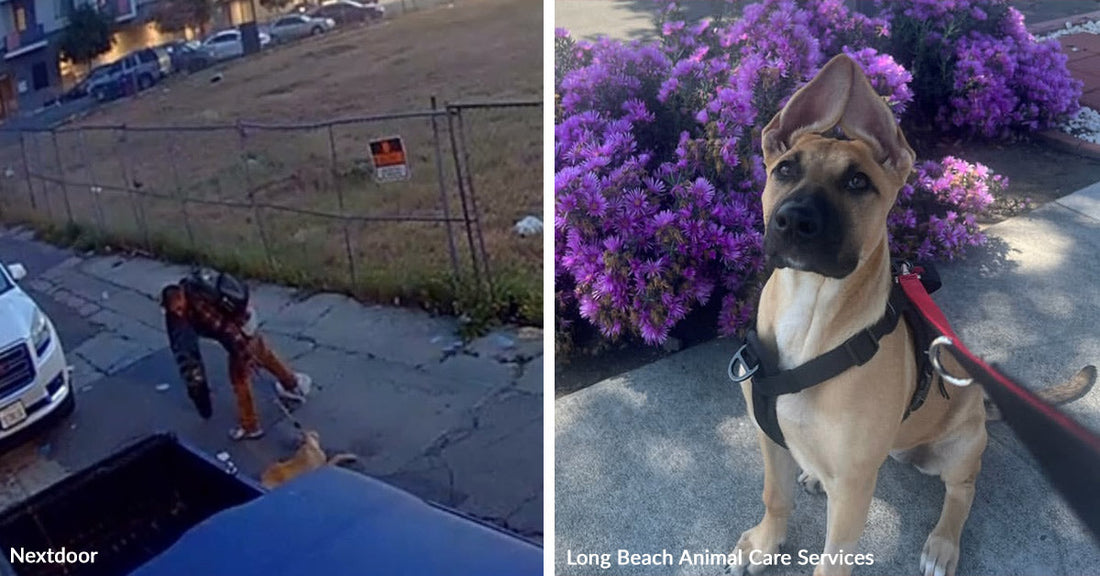
A disturbing case of alleged animal cruelty in Long Beach has drawn renewed attention to how communities respond when pets are harmed. According to prosecutors, a Westminster man was recently charged with felony animal cruelty after security camera footage appeared to show him violently attacking his dog in a Long Beach alley. The incident has sparked outrage among animal advocates and raised important questions about accountability, justice, and the systems that are meant to protect vulnerable animals from abuse.
The man, identified by authorities as 28-year-old Alexander Cueva of Westminster, faces one felony count of animal cruelty with a special allegation of personal use of a deadly and dangerous weapon, identified in court documents as a leash. This animal cruelty case in Long Beach is particularly striking because the object used in the alleged abuse is something most pet owners associate with care, control, and responsibility. Here, prosecutors argue that an everyday tool for walking a dog was instead used as a weapon.

According to jail records referenced in the original report, Cueva is no stranger to the criminal justice system. He has four previous arrests in Los Angeles County, including arrests for possession with intent to sell and two separate arrests for taking a car without the owner's consent. In addition, authorities say he had an active warrant tied to a 2021 case in Orange County. That warrant was issued after he failed to appear for a scheduled court date and he was subsequently labeled a fugitive.
At the time of this latest arrest, officials report that Cueva is being held without bail in connection with that outstanding warrant. The animal cruelty charge, and the special allegation involving the leash, now add to his legal troubles. If convicted as charged, he faces up to four years in prison. While sentencing always depends on multiple factors, including prior record and the circumstances of the crime, the potential maximum term underscores how seriously California treats felony animal cruelty cases.
The surveillance footage described in the report is difficult to read about and likely even harder to watch. Cameras reportedly captured Cueva pulling his dog through an alley. According to the account, he allowed the dog to move only on its hind legs, forcing it to hop while its front limbs were suspended in the air. This act alone raises intense concerns about pain, fear, and distress for the animal. It also suggests a prolonged and deliberate pattern of control, rather than a fleeting loss of temper.
The footage allegedly grows more violent from there. Prosecutors say Cueva used the dog's leash to flip the animal over his shoulder and slam it down onto the ground. The description of this motion paints a picture of a pet being handled more like an object than a living being. After that impact, the dog reportedly remained on the ground until it was yanked back to its feet. When the dog began walking, the man is said to have kicked the animal and then hung it over his shoulder as he continued on his way.
Reading that sequence of actions, I found this detail striking: every step described, from forcing the dog to hop on its hind legs to the final moment of carrying it over his shoulder, suggests not a single impulsive outburst but a series of choices. That impression of deliberation likely informs the reaction of law enforcement and prosecutors, as well as the intense emotional response many members of the public feel when hearing about such cases.
Los Angeles County District Attorney Nathan Hochman addressed the situation publicly, calling the alleged attack "deeply troubling." He said that witnessing such a level of calculated violence inflicted on a helpless animal is hard to comprehend. Hochman also noted that this is the second felony animal cruelty case his office has filed in the same week. His statement that prosecutors "will not hesitate to bring charges when we see this kind of inexcusable criminal behavior" reflects a clear effort to reassure the public that the justice system takes cruelty to animals seriously.
For many people, that prosecutorial stance provides some measure of reassurance. Animal cruelty laws are intended not only to punish harm after it occurs, but also to send a larger message about the value of animals in our communities. A strong response in a case like this one may help deter future abuse, while also validating the deep concern that neighbors, witnesses, and animal welfare advocates often feel when they encounter violence against pets.
Amid all the disturbing details, there is one small but meaningful relief. The dog at the center of this case did receive medical attention. The report notes that Long Beach Animal Emergency personnel provided care, and the animal is now awaiting placement in a foster home. That outcome reflects the essential role of animal rescue organizations and emergency veterinary services. When cruelty occurs, these teams often step in quietly to stabilize injured animals, monitor their recovery, and ultimately help them find safer environments.
The process moving forward will now shift from immediate rescue to long term resolution through the courts. Cueva's arraignment is scheduled for April 25 at the Long Beach Courthouse, where he will be formally advised of the charges and have an opportunity to enter a plea. Court proceedings in animal cruelty cases can be difficult for the public to follow, but they play a crucial role in establishing facts, determining responsibility, and deciding what consequences, if any, are appropriate.
Cases like this one, involving surveillance footage and a visible trail of evidence, also highlight how technology can contribute to accountability. Security cameras sometimes capture incidents in alleys, parking lots, and shared spaces that would otherwise go unreported or be impossible to prove. When video exists, it can shape both the investigation and the public conversation around what actually occurred.
At the same time, the presence of repeated prior arrests in Cueva's record raises broader questions about intervention and support systems. While the details of his previous cases are not laid out in full, the pattern underscores how individuals who come into contact with the justice system multiple times may intersect with other issues, from substance use to economic instability. Animal cruelty laws must remain firm, but communities can also ask how to identify risks earlier and safeguard both people and animals from escalating harm.
Ultimately, this Long Beach animal cruelty case speaks to a shared belief that pets deserve protection, compassion, and humane treatment. The footage described reportedly shows a dog being handled in a way that violates those values at every turn. As the case proceeds, many will be watching not only to see what happens to the defendant, but also to ensure that the dog receives ongoing care, healing, and a chance at a safer, kinder future in a new home.