
A Child Came To A Ranch For Therapy And Allegedly Watched A Horse Being Stabbed
Guest Contributor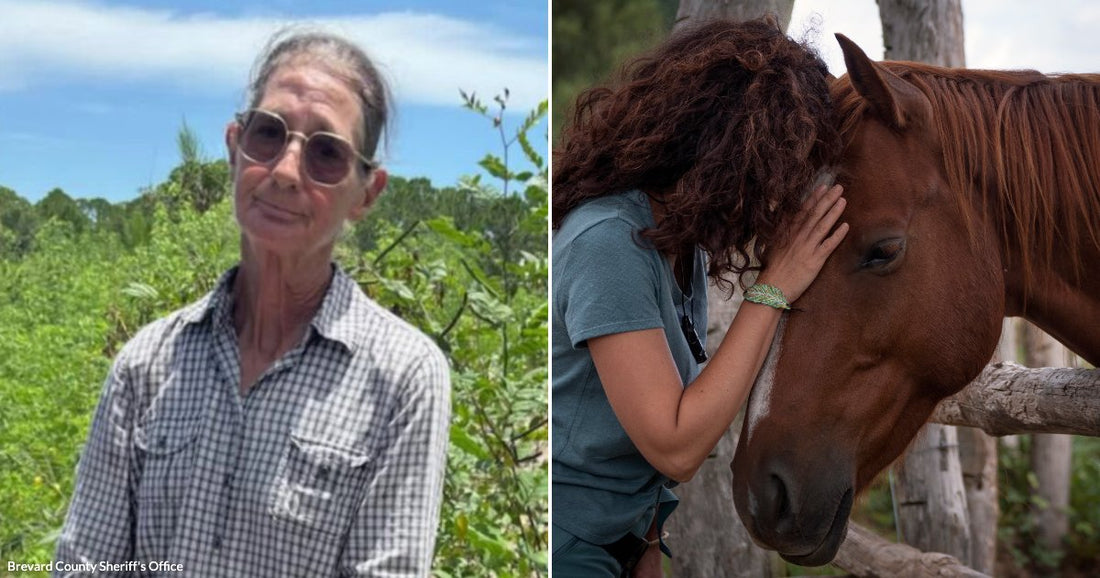
The recent arrest of a Florida woman accused of stabbing a horse multiple times in front of a child at a therapy ranch has drawn widespread concern and sadness. Reports from Brevard County describe a scene that authorities called both unacceptable and disturbing. This alleged act of animal cruelty at what should have been a safe space for therapeutic horseback riding has raised difficult questions about trust, responsibility, and the protection of vulnerable beings, both animal and human.
According to Brevard County Sheriff Wayne Ivey, the incident took place on July 27 at a ranch in Cocoa, Florida. A child who was at the ranch for therapy reportedly witnessed the confrontation between the woman and the horse. The sheriff stated that 69-year-old Shirley Zimmerley was accused of using a knife to stab the horse multiple times, then striking the animal with a whip because she was frustrated with the horse’s behavior. The child later went home and told their parents what had happened, and those parents contacted the sheriff’s office.

When deputies and animal cruelty investigators arrived at the ranch, they found the horse in visibly poor condition. Sheriff Ivey reported that the animal appeared malnourished and had multiple stab wounds and whip marks. In addition, authorities said that other horses on the property showed open sores. For many readers, details like these convey not just a single alleged outburst, but broader concerns about ongoing animal welfare issues at the ranch.
The sheriff said that Zimmerley attempted to explain the injuries by blaming a cat. That claim was shared publicly by Ivey, who described the situation as both unacceptable and, in his words, “insane.” The use of such strong language from a law enforcement official reflects how seriously the local authorities appear to view this case of alleged horse abuse. It also speaks to the emotional impact of animal cruelty cases on communities that often see horses as gentle partners in therapy, recreation, and daily work.

Brevard County Sheriff's Office
Horse therapy programs, sometimes known as equine-assisted therapy, are often designed to help children and adults cope with emotional, developmental, or physical challenges. In that context, the presence of a child during the alleged stabbing adds another layer of harm. The setting was meant to be a healing environment, centered on trust between humans and animals. Instead, the child reportedly witnessed violence against a horse, an experience that may be difficult to reconcile with the idea of animals as sources of comfort and support.
Law enforcement officials responded by opening an animal cruelty investigation and involving the agency’s fugitive unit. According to the sheriff’s office, Zimmerley was arrested and booked into the Brevard County Jail. Records show that she faces one felony charge and two misdemeanor counts of animal cruelty. The judge in the case set bond at $10,000, allowing for the possibility of release while the charges move through the legal process.
Sheriff Ivey publicly expressed dissatisfaction with the bond decision, stating that if he had the authority to set bonds, individuals accused of such acts would not be released. His comments highlight ongoing tensions that can emerge between law enforcement, the courts, and public opinion in emotionally charged cases. At the same time, the criminal justice system operates with established procedures intended to balance the rights of the accused with the seriousness of the allegations. Even when reactions are strong, the process still requires evidence, charges, and court hearings before any final outcome.
Animal cruelty laws exist to address exactly the types of allegations described in this case. While statutes vary by state, intentional harm to animals, especially where there is clear evidence of injury, can result in felony charges. The fact that prosecutors in Brevard County have brought one felony count and additional misdemeanors indicates that they are treating the accusations with significant weight. Felony-level animal cruelty charges often reflect either the severity of the injuries, repeated acts of abuse, or circumstances that authorities deem especially troubling.
Beyond the legal consequences, incidents like this one have a broader impact on public trust. Many families who take part in horse therapy programs rely on ranch staff to provide safe, compassionate care for the animals and for the people who interact with them. Hearing about a horse that was allegedly stabbed and whipped at a therapy ranch may cause some families to ask more questions about oversight, animal welfare standards, and training for individuals who work directly with therapy animals.
For animal advocates and community members, this case underscores the importance of speaking up when something seems wrong. In this situation, the child who was present told their parents, and those parents chose to reach out to authorities. Their decision set the entire investigation into motion. It is a reminder that reporting suspected animal abuse can be a key step in protecting both animals and people from further harm.
It is also important to remember that, at this stage, the case is still moving through the legal system. The woman charged has the right to defend herself against the allegations, and the courts will ultimately decide how the law applies to the facts presented. Until that process is complete, the charges remain accusations, and the full picture of what happened at the ranch may continue to develop.
Nevertheless, the details that have been shared publicly have already sparked a strong emotional response. Images of a malnourished horse, described as having stab wounds and whip marks, leave a lasting impression. The suggestion that other horses had open sores raises questions about the overall conditions at the ranch and whether additional welfare checks or regulatory measures might be needed in similar facilities.
Cases like this often prompt calls for stricter animal cruelty penalties or closer monitoring of places that house therapy animals. While those broader policy debates extend beyond the specific facts at hand, they grow out of a simple shared belief that animals used in therapeutic or educational settings deserve consistent, humane care. Many readers may not be directly involved in horse therapy programs, but they may feel a connection to the idea that compassion and safety should guide all human interactions with animals.
As this case proceeds, the focus will likely remain on three core questions: the condition of the horses, the evidence surrounding the alleged stabbing and whipping, and the appropriate legal consequences if the accusations are proven in court. For those following the story, it can be helpful to remember that each step in the investigation and court process is part of how communities respond to reports of cruelty and how they seek justice for animals that cannot speak for themselves.
Read more at https://www.cleveland19.com