
Sick Dogs Found Trapped On Filthy Boat As Woman Faces Charges
Guest Contributor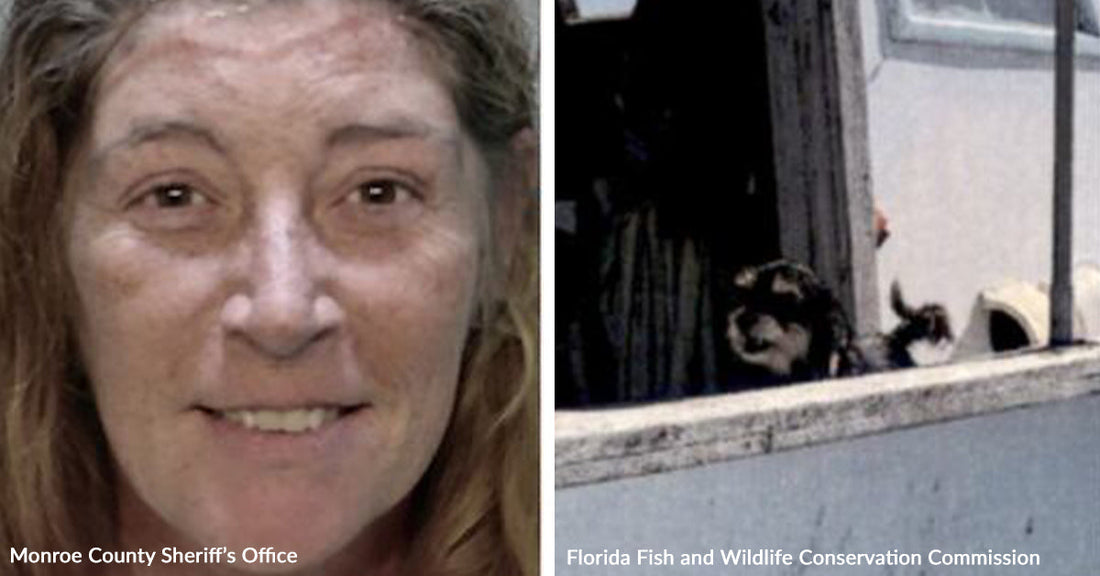
Authorities in the Florida Keys say a troubling case of animal neglect unfolded not in a home or a backyard, but on the water. A woman has been accused of leaving three sick dogs in what officials described as “deplorable conditions” on a boat moored off Key West. The allegations, documented in an incident report from the Florida Fish and Wildlife Conservation Commission, paint a deeply concerning picture of what investigators say they found aboard the vessel. For anyone who cares about animal welfare or responsible pet ownership, this case is a sobering reminder of how quickly living conditions can become unsafe and inhumane for animals.

According to the report, Officer Riana Sargent of the Florida Fish and Wildlife Conservation Commission responded on January 2 to multiple complaints of unattended dogs on a 41 foot cabin cruiser anchored in the Garrison Bight Mooring Field off Key West. When she approached the vessel, she saw two small dogs running on the deck and barking at her patrol boat, and a third elderly dog visible inside the cabin. All three dogs reportedly showed clear signs of neglect. Their coats were dirty and matted, indicating what Sargent described as a lack of regular grooming or basic care.
The conditions onboard went far beyond an untidy space. Sargent wrote in her report that the deck was covered in fecal matter and scattered trash, creating what she considered an unsanitary living environment for the animals. The description is stark: feces underfoot, debris strewn across the surface, and no visible signs that the dogs had immediate access to clean water. When Sargent briefly left the vessel to retrieve water, she returned to find that all three dogs began drinking immediately and consumed a significant amount. For investigators, that behavior suggested the dogs had been left without adequate water for some time.
The officer did not stop at the deck. The next day, she returned to the scene with an animal control officer and a staff member from the Florida Keys SPCA to perform a full inspection of the boat. Inside the cabin, conditions were reportedly even worse. According to Sargent’s account, the smell of urine and feces was overwhelming. Fecal matter had accumulated throughout the interior, and both the deck and cabin were heavily cluttered with trash and miscellaneous debris. Bags of garbage were piled in the main cabin, and sleeping surfaces were saturated with the smell of urine and visibly stained, with feces present.
Investigators said they found no food or water available for the animals. The bowls that were left out were described as dirty and coated with old food residue and cockroach droppings. Sargent reported seeing multiple cockroaches crawling around old, contaminated food, further reinforcing the sense that these dogs had been living in a space that was not only unclean but potentially hazardous to their health. The animal control officer seized the three dogs at that time, noting that all were infested with fleas. One of the dogs appeared to be partially blind.
Veterinarians later evaluated the animals and concluded that they were suffering from signs of prolonged neglect. According to the report, the dogs were dehydrated and dealing with urinary tract infections as well as flea infestations and other medical concerns tied to substandard living conditions. This was not, in the professionals’ view, a case of brief oversight or a single bad day. The findings suggested a pattern of inadequate care that had unfolded over a longer period.
The report also highlighted safety concerns beyond sanitation and health. Sargent noted that an open hatch on the cabin floor posed a serious risk, explaining that any one of the dogs could have fallen through and become trapped. Moreover, the overall condition of the vessel was such that the dogs could potentially have fallen into the water. For animals already struggling with age, illness, or impaired vision, those hazards added yet another layer of risk.
The woman at the center of this case, identified as 51 year old Tanya Lynn Cramlett, was arrested and now faces three felony and three misdemeanor animal cruelty charges. Cramlett reportedly denied leaving the dogs unattended for more than 24 hours. She told authorities she had recently undergone surgery and that she had relied on neighbors and family members to watch the dogs. She also claimed that her son, who was supposed to help with their care, had left the state without informing her. In addition, she is said to have blamed a renter for the unsanitary conditions aboard the boat.
According to Sargent’s account, Cramlett focused primarily on disputing responsibility for the state of the vessel and the dogs’ care rather than acknowledging the animals’ condition. The report notes that she provided a series of explanations for how things had deteriorated but did not appear to grapple directly with the veterinarians’ findings of prolonged neglect. Officials reported that despite the serious allegations, Cramlett appeared to be smiling in her booking photo taken at the Monroe County Jail in Key West. Court records show she was assigned a bond of 33,000 dollars and was no longer in county jail custody by the following afternoon. Her arraignment date was not yet listed.
Cases like this often prompt difficult conversations about what constitutes animal cruelty and at what point poor living conditions become criminal. Here, the allegations go well beyond clutter or disorganization. The official descriptions from wildlife officers, animal control, and veterinarians describe dehydration, active medical problems, flea infestations, unsanitary surroundings, and an overall environment that investigators say was unhealthy and unsafe for the dogs. While the justice system will determine legal responsibility, the facts described in the report serve as a clear illustration of why regular care, clean water, safe shelter, and veterinary attention are fundamental responsibilities for anyone who chooses to keep pets.
I found this detail striking: the dogs’ immediate reaction to water and the veterinary findings of urinary tract infections and dehydration. Those elements underline that neglect is not just about appearance or cleanliness but also about basic physical needs that, when unmet, quickly escalate into pain and illness. Whether animals live in a house, a yard, or on a boat, they rely entirely on human caregivers for those needs. This case, unfolding in the unique setting of a mooring field off Key West, reinforces a universal point. Responsible pet ownership does not pause for personal hardship, travel, or life complications. When someone cannot provide consistent care, arranging alternative safe accommodations for animals is not only compassionate but essential.
As the legal process continues, the focus for many observers will understandably remain on the dogs’ recovery and future well being. The involvement of the Florida Keys SPCA and veterinarians offers some reassurance that the animals are now receiving the attention and treatment they lacked aboard the vessel. For the broader community, this incident serves as a reminder to report suspected neglect, to check in on vulnerable animals in unconventional living situations like boats or RVs, and to treat any signs of prolonged unsanitary conditions or lack of food and water as serious red flags. Even one report, as seen here, can trigger an investigation that may rescue animals from hazardous and unhealthy conditions.