
🚨Urgent: Missile Strikes Shelter in Ukraine! Rush Emergency Aid!
Artist’s Journey of Cancer Recovery and Faith Inspiring Second Chances
Guest Contributor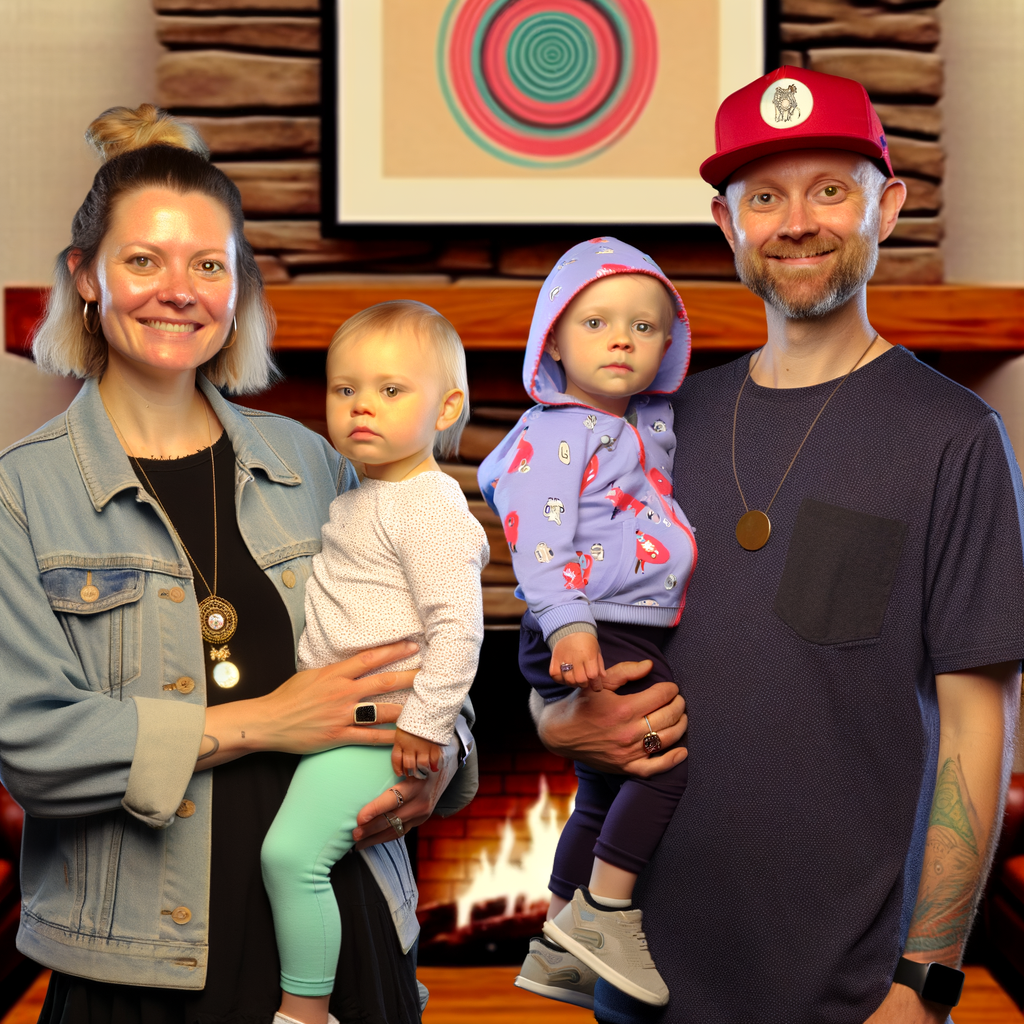
In the heart of Bozeman, Montana, artist and former basketball standout Adam Schwankl is embracing a vibrant new chapter of life. Once facing a dire prognosis due to Hodgkin lymphoma, Schwankl now finds himself surrounded by the joys of family, faith, and creativity. His story, as reported in a recent feature, is a powerful testament to resilience, second chances, and the healing power of both medicine and meaning. For those seeking inspiration in cancer recovery, alternative treatments, or the intersection of art and faith, his journey offers a profound perspective.

Schwankl, now 37 and in remission, lives with his wife, Valerie, and their two young children, Stella and Sebastian, with a third on the way. The couple recently relocated to a home near the Rocky Mountains, unpacking boxes while navigating the daily chaos of parenting toddlers. It's a far cry from the uncertainty that defined their lives six years ago, when Schwankl was first diagnosed with cancer. Yet, even in those early days, he made decisions with the future in mind, choosing treatments that would preserve his ability to have children. The birth of their daughter Stella marked what he called “the biggest fruit of doing all that work.”
Schwankl’s approach to treatment was anything but conventional. He began with a 10-week stay at An Oasis of Healing, an Arizona clinic that integrates alternative and standard oncology practices. Although his initial scans showed significant improvement, the cancer eventually returned in new areas. This setback prompted him to reevaluate both his health and his life’s direction. He underwent an additional 16 weeks of intensive treatment, followed by a more traditional chemotherapy regimen—albeit at a fraction of the typical dosage. With the addition of water fasting, the cancer reversed. Around that same time, Valerie became pregnant again, and Schwankl’s health has remained stable since.
One of the most compelling aspects of Schwankl’s story is how his faith and sense of purpose evolved alongside his physical recovery. A friend, Henri Pellerin, who has known Schwankl since college, described their bond as deepened by shared Catholic beliefs and life experiences. He recalled a moment of levity during a basketball game shortly after Schwankl’s diagnosis, when Adam’s dog was trained to pass the ball—an image that captures both his creativity and determination. Pellerin also credited Schwankl with influencing his own spiritual journey, calling him “an inspiration as the most devout person I know.”
Valerie, a doctor of Chinese medicine, offered another layer to the narrative. Supporting a loved one through cancer, she noted, requires its own reservoir of strength. At times, she found herself in emotional isolation, especially during long drives through the desert to join Adam at his treatment center. Yet even in those bleak moments, she experienced what she described as divine reassurance. A phone call bearing good news arrived just when she needed it most, reminding her to trust in the process, even when the path seemed unclear.
For the Schwankls, cancer became more than a medical crisis—it was a crucible that refined their relationship and deepened their faith. Valerie reflected that the trials they endured helped prepare them for the challenges of parenthood. She spoke of surrender and trust, themes that became central to their journey. “Sometimes, there’s just so much value in trusting in the detour,” she said. “And once you’re past it, you’re so relieved: ‘We made it!’”
Schwankl has since turned his attention toward advocacy, particularly for those exploring alternative cancer treatments. He recommends Jane McLelland’s book, “How to Starve Cancer: Without Starving Yourself,” and emphasizes the importance of mindset and belief. He cited scientific studies supporting the role of prayer and positivity in healing, noting that faith played a crucial role in his own recovery. “There’s a big mental game,” he said, referencing the biblical letter of James, which speaks to the power of belief without doubt.
His art, too, has been a source of restoration. After their recent move, one of Schwankl’s first priorities was setting up his studio. He continues to create both sacred and Western-themed works, including a recent piece titled “Radiant Reverie,” which depicts a cowboy at sunset, reflecting on the day’s labor. This blending of themes is no accident. Schwankl has begun researching the Catholic heritage of early cowboys, or vaqueros, and is exploring how to merge these narratives in his art. His commissioned works, such as “Mary Immaculate and the Christ Child” and “Saint Joseph Most Chaste,” already hang in Resurrection Parish in Bozeman.
Schwankl’s philosophy on creativity is inclusive. He believes that all people are meant to create, echoing the idea that God, like the sun, offers constant grace and inspiration. Whether through the sacraments or daily prayer, he sees this divine connection as essential. “Parenting draws you out,” he said. “You realize your life is not about you … it’s got to be about the other. But ultimately, it’s all about God and the pursuit of God.”
For those interested in learning more about Adam Schwankl and his work, his art can be viewed at adamschwankl.com and schwonk.com.