
🚨Urgent: Rush Aid to People & Pets in Nepal's Devastating Floods! Help Now!
Dog Found Hyperventilating With Tape Around His Muzzle
Guest Contributor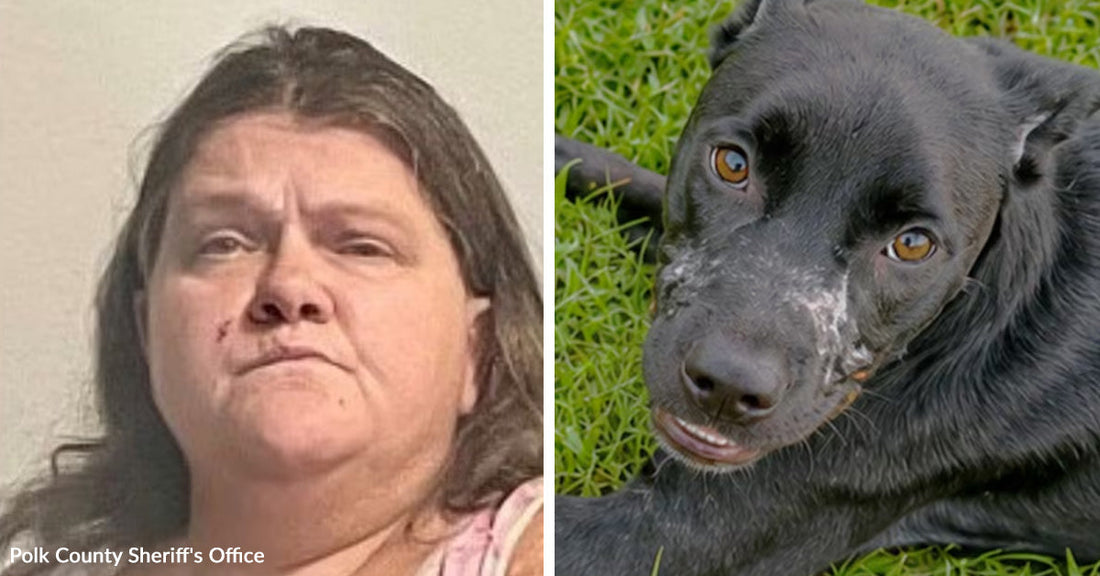
The story of a dog found with its muzzle duct-taped shut in Auburndale, Florida, is a deeply unsettling reminder of how vulnerable animals are to the people who control their lives. According to the Polk County Sheriff’s Office, deputies and detectives stepped in after a disturbing image of the dog surfaced on social media, leading to an investigation and the eventual rescue of multiple animals from what authorities described as deplorable living conditions. Cases of animal cruelty like this one are painful to read, but they also highlight the critical role that watchful neighbors, online communities and law enforcement can play in protecting those who cannot speak for themselves.
Investigators first learned about the situation when members of the sheriff’s office saw a photograph online that showed a dog with duct tape wrapped tightly around its muzzle. The image was shared publicly, and it immediately raised alarm. The person who posted the photo was not the dog’s owner. Officials say she found the dog under a wheelchair ramp, its mouth taped shut and the animal hyperventilating. She described how she and her son carefully cut away the tape so the dog could finally breathe freely. That simple, compassionate act may have saved the dog’s life and set the stage for a broader intervention.

From there, detectives worked to locate the dog’s owner. Their search led them to an RV in Auburndale, where they encountered 57-year-old Tammy Annette Roosa. According to the sheriff’s office, a detective found Roosa sitting naked in her backyard. When questioned, Roosa acknowledged that the dog was hers and identified him as Cooper. She reportedly admitted to taping his muzzle shut the previous night because she claimed the dog tried to bite her. Authorities noted that she showed no visible sign of remorse for what had happened, a detail that underscores how seriously investigators viewed the situation.
Following the rescue, Cooper was taken to animal control for examination by a veterinarian. Officials report that the veterinarian determined the dog was malnourished. Cooper also had marks on his neck that suggested he had been tied up for an extended period of time, signs consistent with ongoing neglect rather than a single lapse in judgment. For many readers, images of a dog muzzled with duct tape and medical notes about malnourishment and neck injuries likely evoke strong emotions, but they also provide crucial evidence in support of an animal cruelty investigation.
Inside Roosa’s RV, detectives described conditions that were far from safe or sanitary for people or animals. The sheriff’s office reported finding large amounts of trash, a significant presence of roaches and a strong odor of feces and urine. The surrounding property appeared equally neglected. Investigators discovered piles of garbage, discarded household items and decaying material hidden in waist-high grass. The septic system and pipes, authorities said, were leaking raw sewage, which attracted large numbers of flies and mosquitoes. This environment was not only hazardous to the animals but also a clear public health concern.
The dog with the duct-taped muzzle was not the only animal in need of help. Detectives and animal control officers removed several other animals from the property. According to the sheriff’s office, seven cats, three fish, two lovebirds, two finches and a duck were all taken into the care of animal control for treatment and evaluation. Such a range of animals, all reportedly living amid trash, insects and sewage, illustrates how animal neglect can affect many species at once. I found this detail striking because it demonstrates that when one animal is suffering, there are often others nearby facing similar conditions.
Authorities say that when they moved to arrest Roosa, she physically resisted. She was ultimately charged with animal cruelty, resisting arrest, operating an unpermitted landfill and keeping a nuisance injurious to health. Each of these charges reflects a different dimension of what detectives say they discovered: direct harm to an animal, obstruction of law enforcement, improper disposal of waste and the creation of conditions that could endanger neighbors and the environment. Together, they paint a fuller picture of why this case prompted such a strong response from officials.
This case resonates beyond one Florida property because it highlights several recurring themes in animal welfare. First, the role of social media and public vigilance is central. Without the original photo and the decision to alert others, Cooper and the other animals might have remained unseen. Second, it shows how animal cruelty often overlaps with broader issues like hoarding, inadequate sanitation and environmental hazards. A malnourished dog with tape on its muzzle can be the door that opens onto a much wider pattern of neglect affecting both animals and people.
The details shared by the Polk County Sheriff’s Office also raise questions about how communities can better identify and respond to similar situations. Many people may hesitate to get involved if they see a troubling incident involving an animal, unsure whether they are interpreting the situation correctly or worrying about overstepping. In this case, the person who discovered Cooper did two key things: she helped remove the immediate danger by cutting away the tape and she shared evidence that allowed authorities to begin an investigation. Her actions align with guidance often given by animal welfare organizations, which encourage people to document what they see and report it to local authorities.
There is no easy way to process a story in which an animal is found struggling to breathe because its muzzle has been taped shut. Yet there are elements of hope here. Cooper and the other animals were removed from the property. They were given access to veterinary care and a chance at improved conditions. Law enforcement took the situation seriously, not only pursuing animal cruelty charges but also addressing the broader sanitation and public health issues alleged at the scene. Each intervention, from a concerned citizen’s post to a detective’s follow-up visit, created a chain of protection that ultimately altered the lives of these animals.
Stories like this can prompt many of us to look more closely at our own communities. Are there animals left outside for long periods without food or water, or properties where odors and visible waste suggest more is going on than meets the eye? Recognizing the signs of animal neglect and cruelty is a first step. Knowing that there are mechanisms in place, such as local animal control agencies and sheriff’s offices, can reassure people that they do not have to tackle these problems alone. The case of Cooper in Auburndale serves as a stark, sobering example of what can happen when neglect goes unchecked, but also as evidence that attention and action can make a tangible difference in the lives of animals in distress.