
Exhausted Bear Cub Struggles Alone in the Middle of a Lake Until Boaters Spot Him
Guest Contributor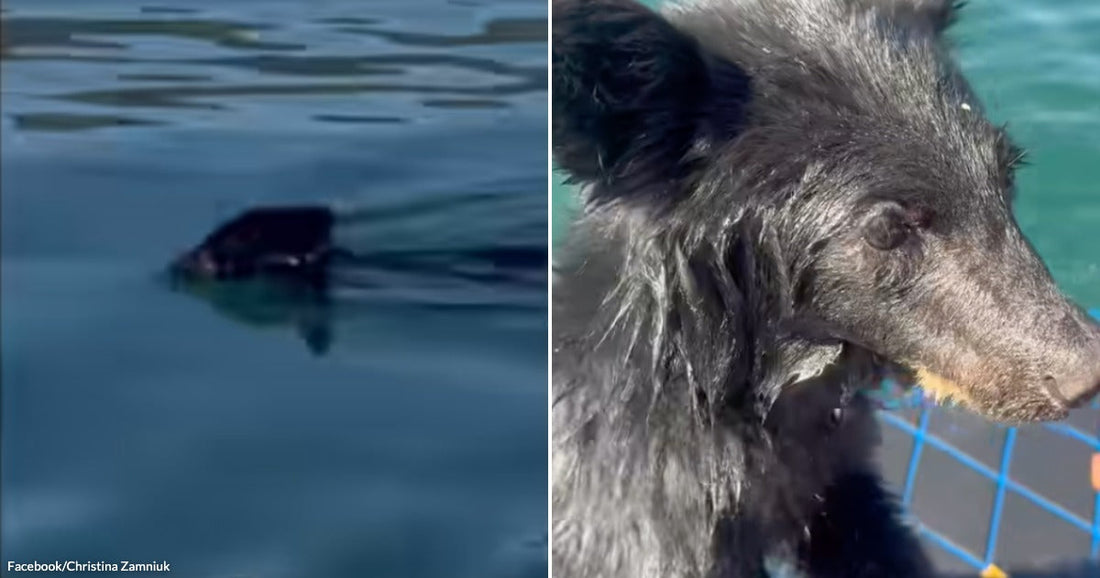
Moments on the water are usually about calm skies, distant shorelines, and the reassuring rhythm of waves against a boat. For one group of boaters on Canada’s Okanagan Lake, however, a recent outing turned into an unforgettable encounter with a struggling wild animal. Their day on the lake shifted from leisure to urgency when a bear cub appeared in the open water, paddling desperately and clearly fighting exhaustion. This unexpected rescue of a bear cub on Okanagan Lake quickly became a story that resonated far beyond the shoreline, both for its heartwarming outcome and the glimpse it offers into how people respond when a wild creature is in distress.
According to accounts from the scene, the bear cub was already in the middle of Okanagan Lake when the boaters noticed it. Instead of the confident, powerful swimmer one might imagine when thinking of a bear, they saw a small animal that was clearly overwhelmed by the cold water and the distance to shore. The cub’s movements suggested fatigue rather than steady progress, and witnesses described it as paddling for its life. It was not just a surprising sight; it was a situation that demanded a response, even for people who had never anticipated being so close to a wild bear.

The boaters did not simply watch from a distance. As they approached, the bear cub reportedly made its own plea for help in the only way it could. It swam directly to their boat and attempted to climb aboard, as if the small craft was the only solid ground left in its world of cold waves. That image of a wild creature, usually wary of humans, seeking refuge with them is one of the most striking details from the story. In that moment, the line between human space and wild habitat blurred, replaced by a shared urgency for survival.
Witnesses described the cub’s physical state in vivid terms. Once on the boat, the animal was not just tired; it was visibly shaken. Those on board said the bear was “absolutely shaking” and that they had “never seen anything like it” before. These reactions highlight how extreme the cub’s ordeal must have been. Bears can be strong swimmers, yet this young animal was so fatigued that its entire body trembled. That detail underscores both the physical toll of the cold water and the emotional impact the scene had on the people who helped.

Facebook/Christina Zamniuk
From the accounts shared, the boaters responded instinctively with care. They provided the cub with warmth and a safe place to rest after its exhausting swim. The effort to warm the bear was about more than comfort. In cold water, even a hardy animal can lose body heat quickly, so sheltering the cub from wind and spray likely helped it begin to recover. The people on the boat showed patience and caution, recognizing that while the animal needed help, it remained a wild creature deserving of space and respect.
One of the most responsible choices the rescuers made was to contact conservation officers as soon as they could. Rather than attempting to manage the bear’s longer term needs on their own, they reached out to professionals trained in wildlife response. This step is crucial in any encounter that involves direct assistance to wild animals. Conservation officers can assess the animal’s condition, decide whether it needs medical attention, and determine the safest way to return it to suitable habitat. In this case the decision to involve authorities helped ensure that the cub’s welfare remained the priority.

Facebook/Christina Zamniuk
The story of the bear cub rescue on Okanagan Lake also invites reflection on how people perceive wild animals in distress. On one hand, there is a natural impulse to help. On the other, there is an awareness that wild animals are not pets and should not be approached without thought. This incident highlights a balanced example of compassionate action. The boaters offered immediate aid when it was clearly needed, then deferred to conservation experts once the immediate danger had passed. That pattern respects both human safety and the long term well being of the animal.
There is also a powerful emotional dimension to witnessing a young bear struggling in open water. The people on the boat were moved enough to comment later on how unusual and intense the experience was. Their statements that they had never seen anything like it before reflect both the rarity of the event and the strong impression it made. I found this detail striking because it shows how a single encounter can change a routine day into a moment that participants are likely to remember for a lifetime.
Images and accounts of the episode have since reached far beyond the boat’s small deck. Many readers connect with the idea of a trembling cub being pulled from cold water and given a second chance. Stories where humans help animals in danger often resonate deeply, not only because the animals are vulnerable, but because these moments demonstrate compassion crossing species boundaries. When people witness or read about such acts, it can reinforce a sense of shared responsibility toward the natural world, including the lakes, forests, and shorelines that animals and humans both rely on.
This event also gently illustrates a broader point about life along large lakes and in regions where wildlife is abundant. Encounters with wild animals can be unpredictable. Sometimes wildlife sightings are distant and serene, with animals observed at the shore or from a safe distance. Other times, as with this bear cub’s exhausting swim, the interaction becomes more direct and intense. Preparing mentally for such possibilities and knowing the importance of contacting authorities, such as conservation officers, can help people respond more effectively and safely if something similar occurs.
In the end, what stands out most in this bear cub rescue story is the partnership between quick thinking boaters and trained conservation professionals. A vulnerable young animal in the middle of Okanagan Lake found itself overwhelmed by cold water and distance from shore. Instead of turning away, people on the scene chose to help, offered warmth and refuge, and then placed the cub’s longer term care in expert hands. Their actions turned what could have been a tragic moment into a hopeful one, and left behind a powerful reminder that empathy and responsible decision making can coexist, even in fast moving and unexpected situations on the water. Read more at https://economictimes.indiatimes.com