
A Small Trial Finds Steadier Blood Sugar When People With Prediabetes Use Bedroom Air Filters
Guest Contributor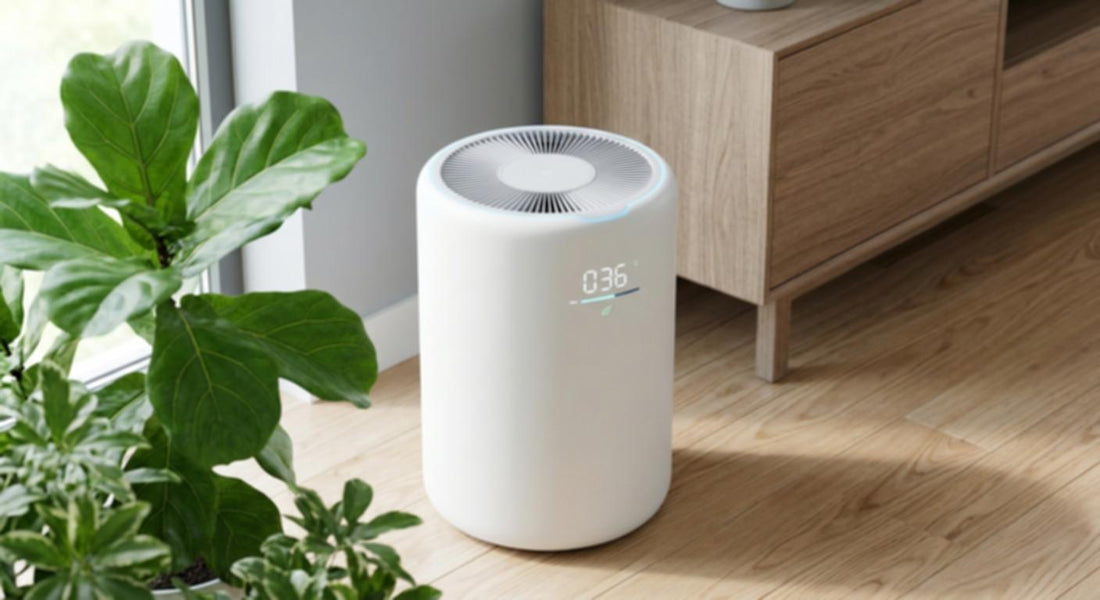
For many people living with prediabetes, small lifestyle changes can make a big difference in long-term health. Diet, exercise, sleep and stress management usually lead the conversation. Yet new research suggests there may be another, surprisingly simple tool to help support better blood sugar control: a bedroom air purifier. In a study presented at an American Heart Association meeting, researchers found that using an air purifier with a working HEPA filter in the bedroom may help stabilize blood sugar levels and reduce daily fluctuations.
The study focused on 150 adults with prediabetes, a condition in which blood sugar levels are higher than normal but not yet in the range of type 2 diabetes. Participants ran air purifiers in their bedrooms continuously for four weeks. They were randomly assigned to use either a true HEPA filter or a sham filter that did not meaningfully clean the air. Importantly, the participants did not know which type they were using, and they were asked not to make major changes to their diet during the study period. This design helped researchers home in on whether cleaner bedroom air alone might influence blood sugar control.

To track blood sugar, participants wore continuous glucose monitors for a week before the air purifiers were turned on and again after the four-week intervention. These devices record blood sugar around the clock, revealing not only average levels but also how much blood sugar swings up and down through the day. According to lead author Dr. Sharine Wittkopp of NYU Langone Health in New York City, the team wanted to understand whether lowering exposure to harmful airborne particles could measurably steady those swings.
The results were striking. People who used real HEPA filters had cleaner air in their bedrooms and better blood sugar stability. The working filters reduced harmful airborne particles by 36 percent. Alongside that drop in pollution came nearly an 8 percent reduction in daily blood sugar fluctuations. The study also documented smaller blood sugar spikes after breakfast for those in the true filter group compared with those using sham filters.
Researchers interpreted these findings as evidence that bedroom air purifiers might play a role in glycemic control for people with prediabetes. Air pollution has long been associated with adverse health outcomes. Previous research has suggested that when levels of pollution rise, blood sugar levels can rise too. The new study adds experimental support to the idea that filtered, cleaner air could help reverse some of those effects, at least in the short term.
One proposed explanation centers on how the body uses insulin. Insulin is the hormone that helps move sugar from the bloodstream into cells for energy. When the body becomes less responsive to insulin, blood sugar climbs and becomes more difficult to control. The researchers think that air pollution may interfere with this process. Tiny particles in polluted air can cause inflammation and oxidative stress in the body, which might affect how cells respond to insulin. If reducing airborne particles relieves some of that stress, it could support more efficient insulin action and steadier blood sugar patterns.
Although the study did not test these mechanisms directly, it builds on existing evidence connecting air quality and metabolic health. Dr. Wittkopp noted that earlier studies have observed a link between spikes in pollution and increases in blood sugar, along with a range of other negative health events. This new work takes the next step by showing that when people with prediabetes breathe cleaner air in their bedrooms for several weeks, their day-to-day blood sugar swings appear to lessen.
At the same time, the researchers emphasized that an air purifier is not a stand-alone solution and does not replace established treatments. Diet, physical activity and medication when prescribed are still the core strategies for managing prediabetes and preventing or delaying the onset of type 2 diabetes. The potential benefit of a bedroom air purifier lies in its role as an add-on, a practical tool that might support the body’s efforts to regulate blood sugar alongside those foundational habits.
What makes this approach appealing, according to the study’s author, is that it is relatively easy and accessible for many households. A portable HEPA air purifier does not require complicated training or drastic daily effort once it is in place. The participants in the study simply kept the devices running continuously in their bedrooms. While not everyone can invest in a new appliance, for those who can, this may be one more environmental adjustment to consider as part of an overall diabetes prevention plan.
It is also worth noting that the research is still early. The findings were presented at a scientific meeting and have not yet been published in a peer-reviewed journal, which is the next step for full scientific scrutiny. The study lasted only four weeks, so questions remain about how long the observed benefits might last and whether using an air purifier over many months or years could meaningfully reduce the risk of progressing from prediabetes to type 2 diabetes. More research will be needed to understand who benefits most, what types of filters work best and how bedroom air quality interacts with other health behaviors.
For individuals already working to manage prediabetes, the idea that indoor air quality might influence blood sugar can feel both surprising and empowering. Many people think about air purifiers in terms of allergies, asthma or general comfort, not metabolic health. Yet this study suggests that breathing cleaner air at night might help the body maintain more stable glucose patterns across the day. I found this detail striking because it underscores how interconnected environmental factors and chronic conditions can be, even in ways that are not immediately obvious.
From a practical standpoint, anyone considering a bedroom air purifier for blood sugar support might pay attention to options with true HEPA filtration and appropriate room coverage. While the study did not endorse specific brands, it did distinguish between working filters and sham ones, which reinforces the importance of choosing devices that genuinely remove fine particles rather than relying on marketing claims alone. Keeping filters clean and replacing them as recommended would also be important for maintaining any potential benefit.
Ultimately, this research highlights a simple message. There is no healthy amount of air pollution for the human body, and cleaner air appears to support not only respiratory health but possibly blood sugar stability as well. For people with prediabetes, a bedroom air purifier will not replace balanced meals, regular movement or prescribed medication. It may, however, be one more practical step to create a home environment that supports better health. As further studies emerge and peer-reviewed evidence grows, the connection between air quality and blood sugar control will likely become clearer, offering new insight into how everyday surroundings shape metabolic well-being.