
🚨Urgent: Missile Strikes Shelter in Ukraine! Rush Emergency Aid!
Third Beluga Rescued From Shuttered Marineland Dies Just Weeks After Two Others Were Lost
Guest Contributor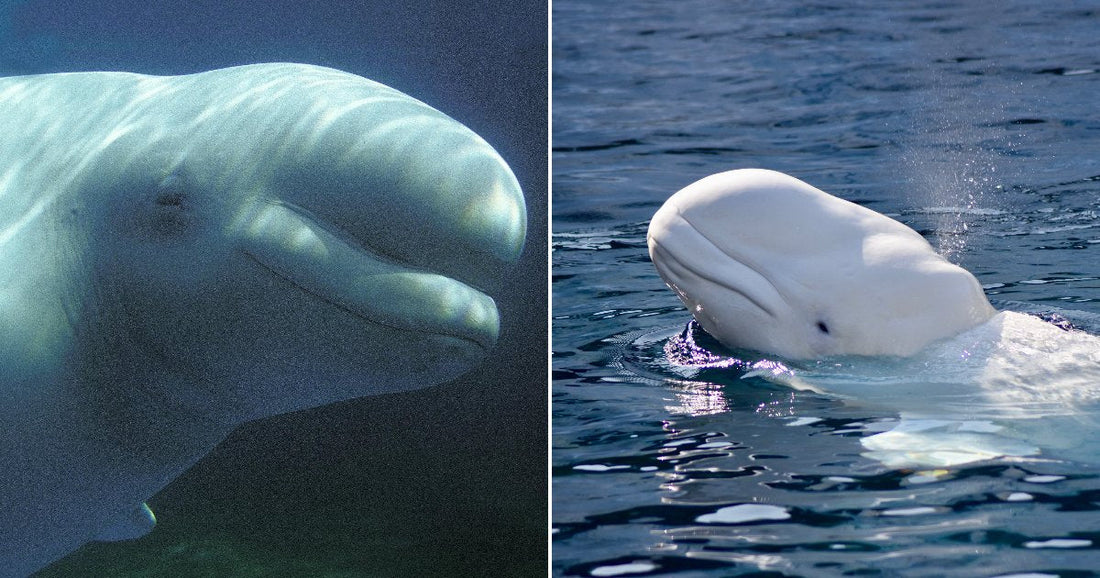
The recent death of Osiris, a 26-year-old beluga whale at Chicago’s Shedd Aquarium, has cast a somber light on a complex and emotionally charged rescue effort involving beluga whales from Marineland in Canada. For many observers, the story raises difficult questions about animal rescue, aquarium care, and what happens when financially struggling facilities can no longer support the animals in their care. The death of yet another rescued beluga whale highlights just how fragile and uncertain these transitions can be.
According to the reporting, Osiris was one of eight beluga whales transferred to Shedd Aquarium in July after Marineland, a Canadian marine park, faced significant financial challenges. The park reportedly considered euthanizing its approximately 30 belugas because it could not afford their long-term care. Instead, an agreement was reached to relocate the animals to multiple facilities across the United States and Spain, including Shedd Aquarium in Chicago, Georgia Aquarium, SeaWorld locations in San Diego and San Antonio, and Oceanogràfic de València in Spain. This large-scale relocation was presented as a collective rescue effort intended to give the whales a chance at a more stable future.

Shedd Aquarium’s statement on Osiris’ death underscored that staff entered into this rescue with an awareness of significant risks. The aquarium acknowledged that the whales arrived with "significant vulnerabilities" and that the outcome for each individual could not be guaranteed. That choice of wording suggests that Marineland’s financial struggles and the conditions leading up to the transfer may have taken a toll on the belugas’ health before they ever arrived in Chicago or at the other participating facilities. I found this detail striking because it frames the rescue not as a simple relocation but as an attempt to intervene relatively late in a long and difficult situation for these animals.
During her time at Shedd Aquarium, Osiris reportedly showed "periods of meaningful progress, both nutritionally and socially." The aquarium described how her overall condition required close monitoring and added that staff tracked changes carefully. Despite some encouraging signs, the beluga remained medically fragile. On Monday, September 21, the aquarium observed changes in her behavior and breathing patterns that prompted an immediate transfer to a medical habitat. Although the team acted quickly, her condition deteriorated rapidly, and she died shortly afterward. The description of her final hours conveys a sense of urgency and the limits of what medical teams can do once a marine mammal’s health begins to decline sharply.
In its public statement, Shedd Aquarium emphasized that "her care was never measured by its length." The organization expressed gratitude for those who followed Osiris’ story and supported the broader effort to rescue and rehome the belugas. The language the aquarium used conveys both grief and a desire to focus on the intention behind the rescue: to offer care, safety, and another chance to animals that might otherwise have faced euthanasia. In a situation where multiple animals have died, honoring that intention appears to matter deeply to the people involved, even as they confront painful outcomes.
Osiris was not the only beluga from Marineland to die after the transfer. Shedd Aquarium reported that two other belugas from the same rescue effort have also died in Chicago: Peekachu, a 23-year-old female, and Rain, a 20-year-old female. Rain’s death coincided with the death of Beethoven, a 34-year-old longtime resident beluga at Shedd who had lived at the aquarium for more than three decades. While the reporting does not detail any direct medical connection between these losses, the close timing of multiple deaths at one institution inevitably draws attention and concern.
The impact of the Marineland relocation has not been confined to the United States. At Oceanogràfic de València in Spain, one of the beluga whales received from the Canadian park also died. The Associated Press reported that Jelly Bean died "suddenly and unexpectedly" on September 18. According to a representative for the facility, José Rafael Serra, Jelly Bean had experienced feeding difficulties that led the veterinary team to intensify monitoring. Despite these interventions, her condition worsened and she did not survive. Jelly Bean was one of two belugas sent to the Spanish facility as part of the same international agreement that distributed whales to American aquariums.
Altogether, the story of these belugas presents a picture of a rescue effort filled with both hope and heartache. On one hand, Marineland’s financial distress left dozens of whales in a precarious position, and the decision to relocate them to multiple aquariums appears to have been driven by a desire to avoid large-scale euthanasia. On the other hand, the series of deaths at Shedd Aquarium and in Spain illustrate how relocation, medical history, age, and preexisting conditions can intersect in ways that do not always lead to recovery. The reporting does not claim a single cause or simple explanation, and in a respectful reading of these events, it seems important to acknowledge that uncertainty.
The story also touches on how people emotionally connect with individual animals. Names like Osiris, Peekachu, Rain, Beethoven, and Jelly Bean invite the public to see these belugas not as anonymous members of a species, but as distinct beings whose lives have arcs and narratives. Facilities like Shedd and Oceanogràfic often share updates about feeding, social interactions, and milestones precisely because those details help visitors and supporters feel involved. When an animal dies, that same sense of connection can magnify the grief felt by staff, visitors, and animal advocates who have been following the story.
There is also a quieter theme in this reporting about the responsibilities that come with caring for long-lived marine mammals. Belugas can live for decades, which means that decisions made by one facility can shape the course of an animal’s life for many years. Marineland’s financial struggles did not just affect operational budgets; they reverberated outward and led to international cooperation among aquariums that were asked to step in. Shedd Aquarium noted that they fully understood the risks associated with receiving animals in compromised health, yet chose to participate in the rescue. That choice framed their work as part of a larger community of institutions attempting to respond to a crisis without perfect options.
As the public processes the news of Osiris’ death and the other beluga losses, the conversation around marine mammal care is likely to continue. While the reporting does not delve into broader policy debates, it does underscore how fragile these animals can be when exposed to stress, previous medical issues, and the challenges of relocation. At the same time, it highlights the dedication of veterinary teams and caregivers who monitor subtle shifts in behavior and physiology in the hope of detecting problems early enough to intervene. The outcome in these recent cases has often been tragic, yet the documentation of each animal’s journey provides important insight into the realities of caring for rescued beluga whales in modern aquariums.