
🚨Urgent: Missile Strikes Shelter in Ukraine! Rush Emergency Aid!
Best Time to Eat Breakfast with Diabetes for Stable Blood Sugar
Guest Contributor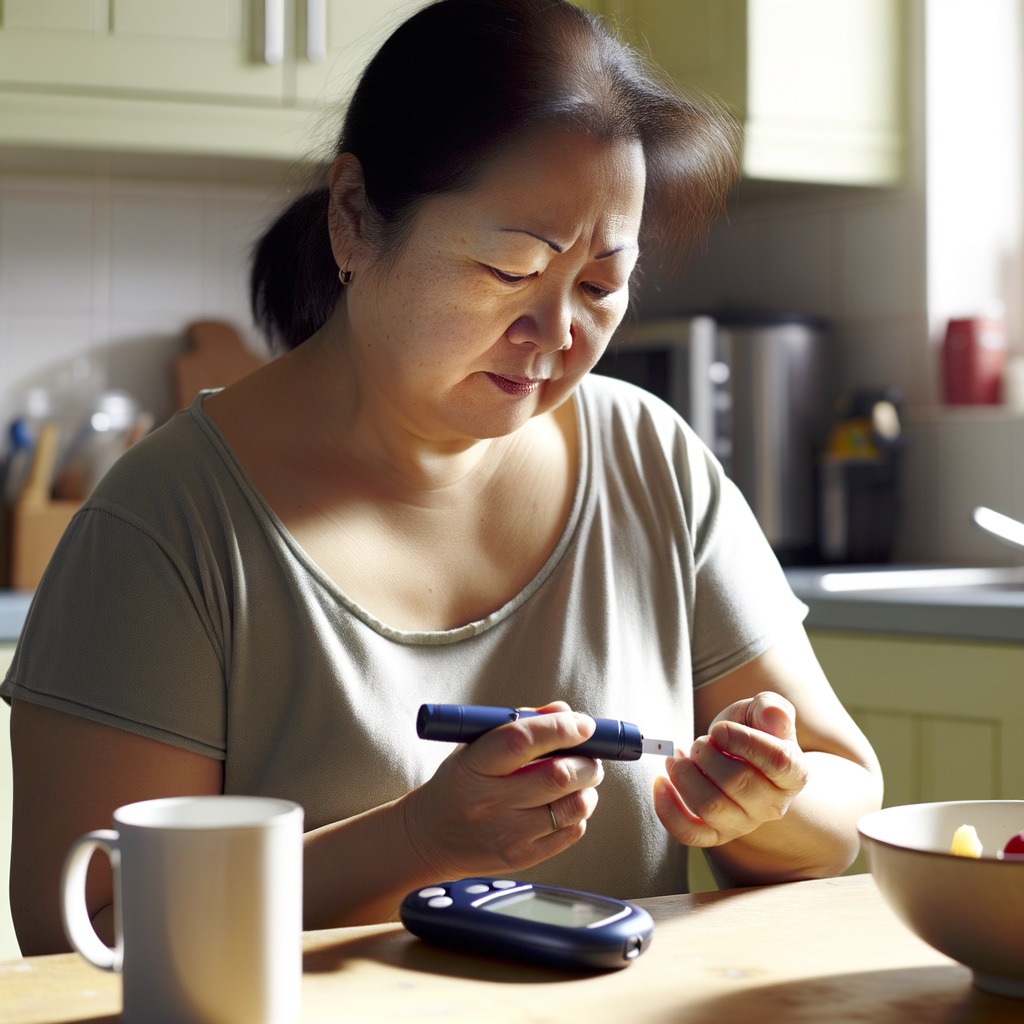
For people living with diabetes, the question of when to eat breakfast is more than a matter of routine—it’s a strategic decision that can influence blood sugar control, energy levels, and overall well-being. While many health experts agree on the value of a morning meal, the best time to eat breakfast with diabetes is not one-size-fits-all. As highlighted in a recent article reviewed by dietitian Emily Lachtrupp, M.S., RD, the timing and composition of breakfast should be tailored to individual needs, including blood sugar trends, lifestyle, and personal preferences.

One of the most important takeaways from the article is that breakfast timing should be flexible and responsive to your body’s signals. Diabetes care and education specialists (CDCES) who live with diabetes themselves emphasize the importance of listening to hunger cues and checking glucose levels before making decisions about food. Mary Lechner, RN, CDCES, who has managed type 1 diabetes for over 25 years, explains that she bases her breakfast timing on how hungry she feels and what her blood sugar reading is. She doesn’t force herself to eat right after waking if she’s not hungry, and that kind of personalized approach is key.

Lauren Plunkett, RDN, CDCES, also living with type 1 diabetes, echoes this sentiment. She notes that blood glucose can be particularly reactive in the early morning due to hormonal fluctuations, stress, nutrition, and other variables. Because these factors vary from person to person—and even from day to day—blanket recommendations about when to eat breakfast simply don’t work for everyone. I found this detail striking, as it underscores just how dynamic diabetes management can be, especially in the morning hours.
Monitoring blood sugar before and after meals is a widely recommended strategy. Toby Smithson, M.S., RDN, CDCES, who has been managing diabetes for more than five decades, suggests checking glucose levels before eating and again two hours after. This provides insight into how well a particular breakfast supports blood sugar stability. If post-meal readings are higher than desired, adjustments to food choices, exercise routines, or even medication may be necessary. For example, incorporating a short walk after eating can help lower blood sugar levels naturally.
Beyond timing, the composition of breakfast plays a critical role in managing diabetes. According to Smithson, starting the day with a balanced meal can help prevent spikes in blood sugar later on. Breakfast offers an opportunity to distribute carbohydrate intake more evenly throughout the day, which can be beneficial for glucose control. It also helps ensure that the body receives essential nutrients and can keep hunger at bay until lunchtime.
Building a balanced morning meal involves more than avoiding sugar-laden cereals or skipping breakfast altogether. Plunkett points out that breakfast doesn’t have to follow traditional norms like eggs and toast. Instead, she recommends incorporating more whole plant foods such as beans, vegetables, fruits, and greens. These foods are rich in fiber and low in saturated fat, which supports long-term insulin sensitivity and overall health.
The American Diabetes Association’s Diabetes Plate Method offers a practical framework for meal planning. Smithson suggests filling half the plate with non-starchy vegetables, one-quarter with lean protein, and one-quarter with a quality carbohydrate. For her own breakfast, she enjoys high-fiber oatmeal mixed with protein powder and an egg white wrap filled with bell peppers and onions. These choices reflect her personal preferences and are adjusted based on her blood glucose readings and activity level.
Knowing which foods work best for your body is a powerful tool in diabetes management. Lechner shares that her blood sugar rises more quickly and her hunger returns sooner when she eats cereal with milk, compared to a slice of toast topped with nut butter. This kind of self-awareness can guide better food choices and improve daily energy levels.
For those wondering how to start making changes, focusing on higher-fiber and protein-rich foods is a good place to begin. These foods can help regulate blood sugar and support feelings of fullness. Options like whole grains, legumes, fruits, vegetables, and lean proteins not only nourish the body but also contribute to more stable glucose levels throughout the day.
Ultimately, the best time to eat breakfast with diabetes depends on a variety of personal factors. The experiences shared by diabetes educators in the article highlight the importance of individualization. What works for one person may not be effective for another, and that’s okay. By tuning into your body’s needs, regularly monitoring your blood sugar, and choosing nutrient-dense foods, you can create a breakfast routine that supports your health and fits your lifestyle.
For those seeking more personalized guidance, consulting with a registered dietitian or certified diabetes care and education specialist can provide tailored recommendations. Managing diabetes is a daily journey, and breakfast is an important part of that path.