
🚨Urgent: Missile Strikes Shelter in Ukraine! Rush Emergency Aid!
Breakthrough Non-Invasive Diabetes Test Uses Breath Analysis for Early Detection
Guest Contributor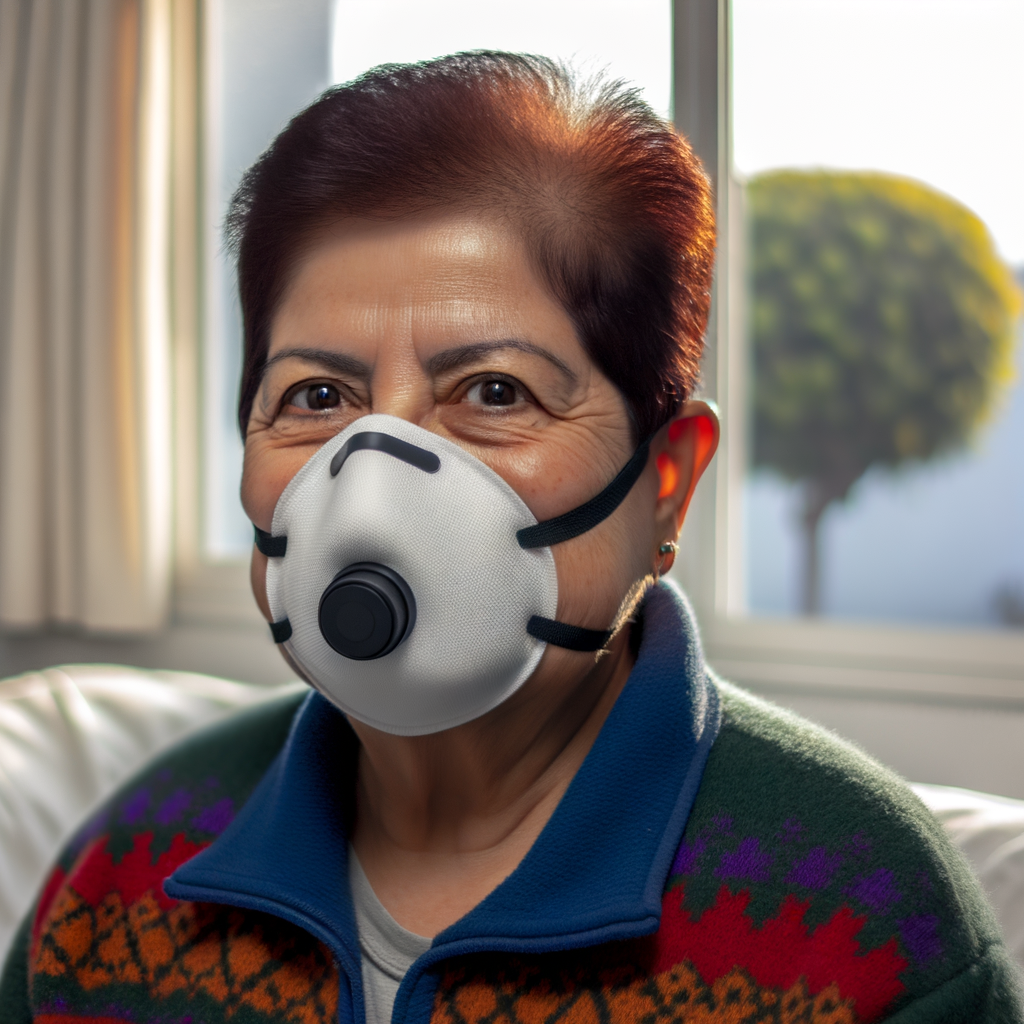
For millions of people living with diabetes—or at risk of developing it—diagnosis can be the first, vital step toward managing the condition. Yet, according to the Centers for Disease Control and Prevention (CDC), about one in five individuals with diabetes remain unaware they have it. The numbers are even more concerning for prediabetes: eight in ten people with elevated blood sugar levels don’t know they’re at risk. In that context, a new, non-invasive diabetes test developed by researchers at Penn State could represent a major leap forward in early detection and prevention.

The test doesn’t rely on blood samples or require a trip to a lab. Instead, it analyzes a person’s breath for signs of diabetes—specifically, elevated levels of acetone. This approach offers a pain-free, quick alternative to traditional diagnostics, and it could soon make diabetes testing more accessible and less intimidating for patients. The innovation is built around a breath-based sensor that detects acetone, a chemical naturally produced in the body when fat is burned. While everyone produces some acetone, levels above 1.8 parts per million may indicate diabetes, according to the research team.
Currently, diagnosing diabetes typically involves blood tests, often requiring overnight fasting or multiple visits to a clinic. Although scientists have explored other non-invasive options—such as measuring glucose in sweat—those methods have yet to become widely available. They also come with practical limitations: inducing sweat through exercise or heat isn’t always convenient, especially for individuals with mobility issues or other health concerns.
Seeking a more practical solution, the Penn State team, led by Huanyu "Larry" Cheng, turned their attention to the breath. Cheng explained that while sensors for sweat-based glucose detection exist, they require external stimuli to produce sweat, which limits their usability. In contrast, the breath sensor only requires the user to exhale into a bag. The sensor is then dipped into the bag, and results are available within minutes. I found this detail striking—such simplicity could dramatically lower the barrier to testing and encourage more people to monitor their health.
The sensor’s development involved a novel manufacturing technique. Researchers used a carbon-dioxide laser to heat a sheet of polyimide film, transforming it into porous graphene. Cheng compared the process to toasting bread: by adjusting the laser’s power and speed, they could control the transformation, resulting in a material with the right properties for gas detection. However, porous graphene alone wasn’t selective enough to isolate acetone from other breath components.
To enhance accuracy, the team combined the graphene with a zinc oxide molecular sieve and a water-blocking membrane. This combination allowed the sensor to selectively capture acetone molecules while filtering out water vapor, which is naturally present in exhaled breath. The result is a thin, reusable strip that can detect both diabetes and prediabetes with high sensitivity. After each use, the sensor requires only a 23-second resting period before it’s ready for another test.
At present, the method involves breathing into a bag, which the researchers acknowledge is not ideal for everyday use. They are now exploring ways to make the process even more user-friendly, such as placing the sensor beneath the nose or integrating it into a face mask. Such improvements could make regular testing seamless, especially for individuals managing chronic conditions or those at high risk.
Beyond diabetes, the sensor may have broader applications. Cheng suggested that if researchers can better understand how acetone levels fluctuate with diet and exercise—similar to how glucose levels respond to food intake—it could open doors to additional health monitoring tools. This could potentially offer insights into metabolic health, weight management, and even athletic performance.
Diabetes affects over 38 million people in the United States alone, and early detection is crucial for preventing complications such as heart disease, kidney failure, and vision loss. A non-invasive, reliable breath test could help identify at-risk individuals sooner, allowing for timely lifestyle changes or medical intervention. For those with prediabetes, the ability to monitor their condition without needles or lab visits could be a game changer.
While the technology is still in development, the promise it holds is significant. If successfully brought to market, this breath-based sensor could complement existing diagnostic tools and make routine monitoring more accessible to a wider population. As research continues, the hope is that such innovations will not only simplify testing but also empower individuals to take charge of their health in new, less intrusive ways.