
🚨Urgent: Missile Strikes Shelter in Ukraine! Rush Emergency Aid!
British Veteran’s Memories of Japan’s World War Two Surrender on USS Missouri
Guest Contributor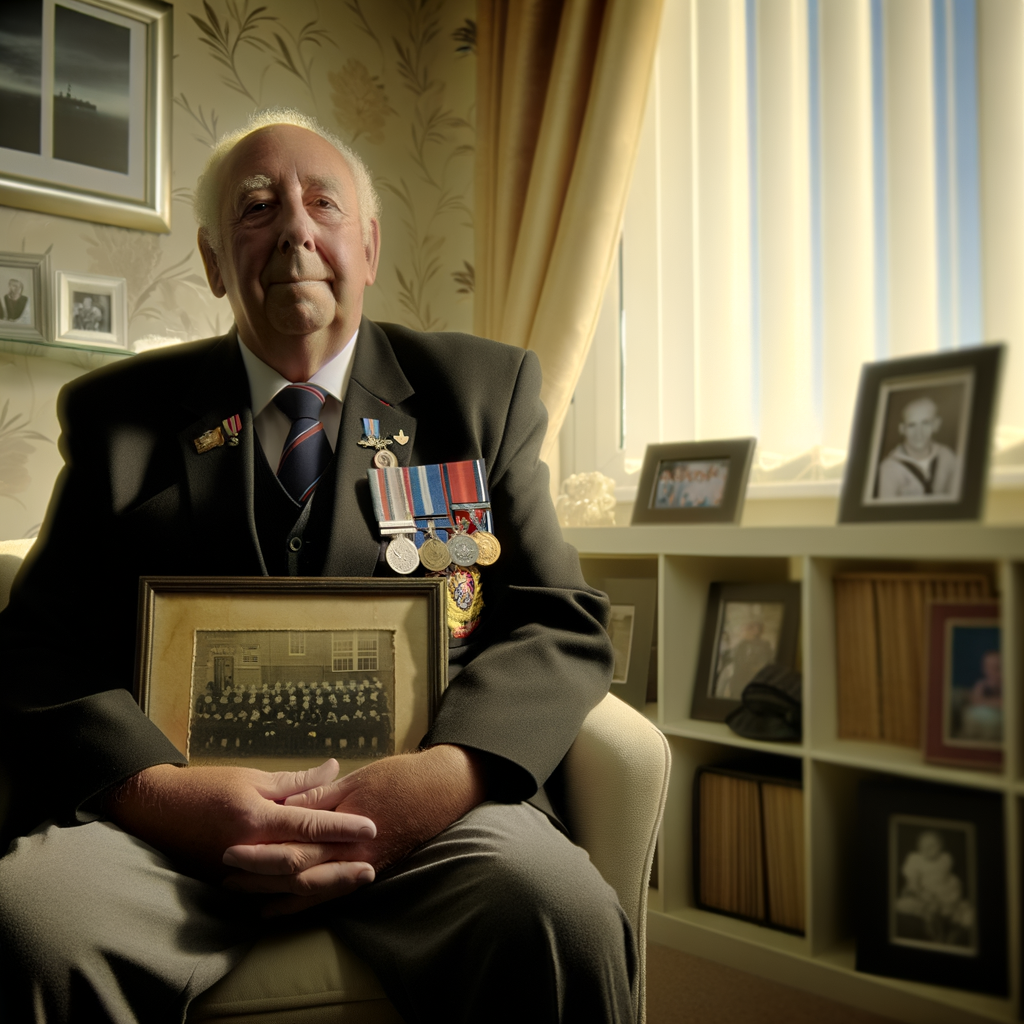
As the world marks the 80th anniversary of VJ Day, one British veteran’s memories offer a powerful reminder of the moment World War Two came to a close. Reg Draper, now 100 years old, was just 20 when he witnessed Japan’s surrender aboard the USS Missouri in Tokyo Bay. His firsthand account offers a rare, vivid glimpse into that historic day and the days that followed, from the solemnity of the peace signing to the celebrations in Tasmania. For those reflecting on the end of the Second World War, Draper’s story adds rich personal texture to a globally significant event.

Draper served aboard the HMS Duke of York, a British battleship stationed off the coast of Japan in 1945. He recalled the moment the ship’s captain announced the war was ending, prompting cheers to erupt from the crew. “All the ships mustered in Tokyo Bay with the USS Missouri, which was the American ship, and it was on the Missouri where they signed the peace treaty,” Draper recounted. His presence at the surrender was made possible by a friend who was the official photographer aboard the Missouri. Draper assisted him and, in doing so, witnessed history unfold just feet away.
The image of hundreds of Allied ships gathered in Tokyo Bay, silent witnesses to the formal end of hostilities, is both humbling and awe-inspiring. Draper still possesses a photograph of the ceremony, a tangible reminder of the day peace was officially declared with Japan. He also received a letter recognizing his presence at the surrender, a document that affirms his role in one of the most significant moments of the 20th century.
After the surrender, Draper and his fellow sailors returned to Australia, where they were granted four days of leave in Hobart, Tasmania. The mood shifted dramatically from wartime tension to joyous celebration. “Everybody wanted to take us to their home and there were a couple of dances in the dance hall,” he recalled. These festivities marked a rare moment of relief and happiness after years of global conflict, offering a human counterpoint to the geopolitical milestone.
Draper’s wartime service began when he volunteered on his 18th birthday. As a stores assistant on the Duke of York, one of his duties included rationing out the daily rum. “Senior crew got theirs neat while everyone else had theirs watered down,” he said, offering a glimpse into naval traditions that still resonate today. His recollections include lighter moments as well, such as playing deck hockey on the quarterdeck—a game he described as “murder.” In one memorable instance, he was accidentally struck by Prince Philip, who was then serving on a destroyer escorting the Duke of York. The future Duke of Edinburgh even came to check on him afterward, a gesture Draper remembered decades later.
The two men met again in 1972 when Draper was training sea cadets for the Duke of Edinburgh awards. Prince Philip recognized Draper’s medals and recalled escorting his ship, though the hockey incident went unmentioned. It’s a small but telling detail that underscores the camaraderie and shared history among those who served.
Draper’s service extended beyond the surrender ceremony. He participated in Arctic convoys delivering supplies to Russia, a perilous mission through freezing waters. In 1945, his ship sailed to Sydney before joining the East Indies Fleet. “We started going up to the islands, kicking the Japanese out of the islands as we went,” he said, describing the final push of Allied forces in the Pacific theatre. These operations were part of the broader effort that ultimately led to Japan’s capitulation following the atomic bombings of Hiroshima and Nagasaki in August 1945.
Today, Draper lives in Elton, Cheshire. He turned 21 on the journey back to Europe, a voyage that included transporting 2,000 prisoners of war. After the war, he became an insurance salesman and remained active in veteran and youth training programs. As the 80th anniversary of VJ Day is commemorated, Draper plans to watch the ceremonies from home, reflecting on a century of life shaped by extraordinary events.
In a special audio message, King Charles emphasized that the sacrifices of VJ Day veterans should “never be forgotten.” He highlighted not only the heroism of those who fought in the Far East but also the suffering endured by civilians. “War’s true cost extends beyond battlefields, touching every aspect of life,” the King said, echoing the lived experiences of veterans like Draper.
I found this detail striking: Draper’s story weaves together the global and the personal, the historic and the human. From the solemnity of the USS Missouri to the joyful dances in Tasmania, his memories serve as a poignant reminder of what was lost and what was ultimately regained. As we honor the end of World War Two in the Pacific, stories like Draper’s help ensure that the legacy of those who served continues to resonate across generations.