
🚨Urgent: Missile Strikes Shelter in Ukraine! Rush Emergency Aid!
Bronx Rapper Indicted In A Stray Cat Torture Case That Has Animal Lovers Demanding Justice
Guest Contributor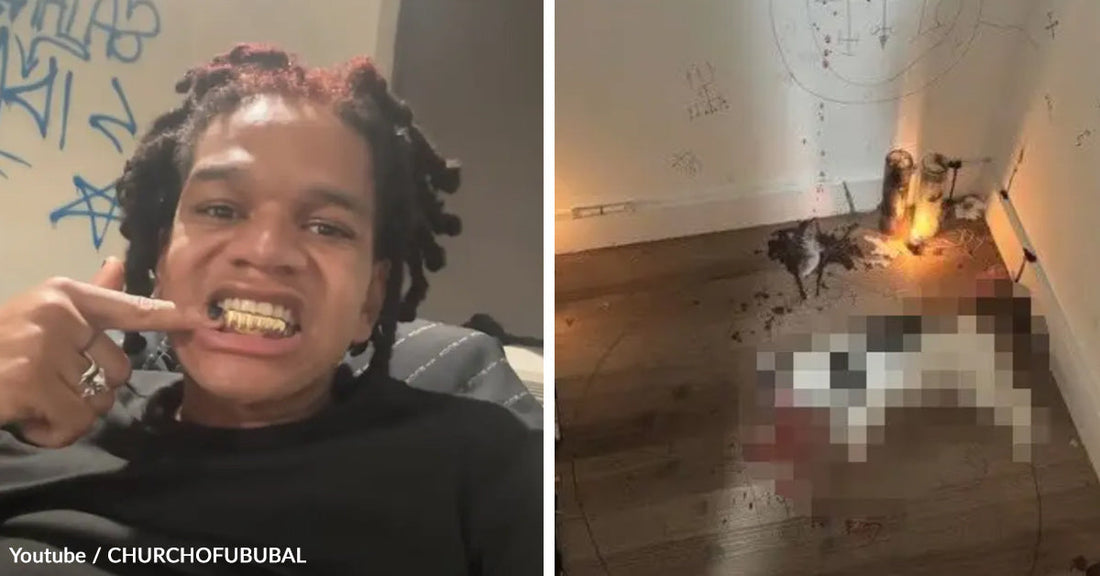
The case of a stray cat allegedly tortured and killed in the Bronx has drawn widespread outrage, not only for the cruelty involved but also for the defendant’s apparent use of social media and shock tactics to promote his music persona. According to prosecutors, a 26-year-old New York City wannabe rapper who uses the alias “Church of Ububal” has now been indicted on animal cruelty charges, highlighting how seriously the law can treat aggravated cruelty to animals.
Prosecutors say the defendant, identified as David Mosley, was arraigned in Bronx Supreme Court on charges of aggravated cruelty to animals and torturing and injuring animals. These are significant accusations, and the case has captured public attention for its disturbing details, including what officials describe as a Satanic ritual and a social media stunt tied to an upcoming rap album rollout. For anyone following animal cruelty laws in New York City, this situation is a stark example of the legal and social consequences that can follow shocking acts against animals.

According to the Bronx District Attorney’s Office, the timeline of events began in early October, when surveillance footage allegedly showed Mosley carrying a stray cat into his apartment for the first time on October 9. Less than two weeks before the animal’s death, Mosley reportedly posted a photo of himself with the cat while it was still alive. This early image suggested to viewers that he had taken the animal in, but the tone around the situation changed drastically in the days that followed.
On October 22, the defendant allegedly uploaded a disturbing photograph to his Instagram account, which has since been deleted. Prosecutors say the image showed the cat lying motionless in a pool of blood. That photo, paired with the context of earlier posts, quickly circulated and led to intense backlash from animal lovers and members of the public. The Bronx District Attorney, Darcel D. Clark, later described the alleged actions as torture of the stray cat that Mosley had brought into his home, and criticized what she called a shocking display of cruelty and social media bragging.
Authorities state that the case is tied to what has been described as a Devil-worshipping or Satanic sacrifice connected to the defendant’s attempts to promote his music. Mosley, who styles himself as an aspiring rapper under the name Church of Ububal, allegedly used the killing as part of a twisted marketing effort for an upcoming rap album. The idea that a living animal could be harmed or killed to attract online attention and support a music rollout struck many people as particularly disturbing.
In the midst of this uproar, Mosley has maintained his innocence in court. At his arraignment, he entered a plea of not guilty to the animal cruelty charges. He has also publicly attempted to defend himself. The Bronx District Attorney’s Office reports that Mosley claimed he simply found the cat after it had already died. In addition, he posted a livestream video on YouTube in which he argued that the social media content was meant as a sick joke rather than evidence of a real killing, and he reportedly taunted animal lovers during that broadcast.
The case has drawn attention from community figures and activists who advocate for stronger responses to animal abuse. Among them is Curtis Sliwa, the founder of the Guardian Angels and a frequent mayoral candidate, who has publicly called for a stiff penalty if Mosley is convicted. Sliwa’s involvement reflects the way animal cruelty cases can resonate far beyond traditional legal circles, mobilizing community voices who see such incidents as indicative of wider problems involving violence, mental health, or desensitization to suffering.
In court, the seriousness with which the charges are being treated has been evident. In a November court appearance, Judge Linda Poust Lopez spoke in unusually strong terms about the case. She told Mosley that she would not approve a plea deal on the animal cruelty charge unless it included the maximum sentence available for that charge. Under New York law, the aggravated animal cruelty charge carries a possible two-year sentence, and Judge Lopez clearly signaled that this is what she believes is appropriate if Mosley is found guilty.
Judge Lopez also addressed another dimension of the situation: mental health. She urged Mosley to follow up on his mental health appointments, a reminder that the legal system sometimes sees extreme acts of cruelty in the context of psychological wellbeing. While the specifics of his mental health status have not been detailed publicly, the judge’s comments suggest concern that anyone associated with such violent imagery or behavior might need professional support and oversight.
The Bronx District Attorney, Darcel D. Clark, has emphasized the gravity of the allegations. In her public statement, Clark described the defendant as being accused of torturing a stray cat that he had taken into his home. She noted that the alleged behavior went beyond private cruelty and extended into the public sphere, through images posted on social media and comments that sounded like bragging about what had allegedly happened. From a legal and ethical standpoint, the combination of violence, online promotion, and apparent mockery of animal advocates has fueled calls for accountability.
For many observers, this case also raises broader questions about the role of social media in encouraging extreme behavior. The idea that shocking or violent acts might be staged or exploited in order to gain followers, build a persona, or attract attention to creative work is deeply troubling. This alleged Satanic ritual, performed in the name of promoting an album, can be seen as part of a larger pattern where online platforms sometimes reward sensational and harmful content with views and engagement. The public reaction suggests that there is a strong desire to push back against that dynamic, especially when vulnerable beings, such as stray animals, are involved.
From an animal welfare perspective, the case reinforces the importance of having robust legal tools to respond to aggravated cruelty. New York’s animal cruelty laws allow prosecutors to pursue felony charges in the most serious situations, and the indictment here shows how those laws are being applied when an animal’s suffering appears intentional and prolonged. It also underscores how evidence like surveillance footage, digital posts, and livestream videos can become central to building a case around what happened and why.
As the legal process continues, Mosley is scheduled to return to court on March 17. Until then, the case remains a focal point in conversations about animal rights, digital culture, and criminal accountability in New York City. Whatever the eventual verdict, the public response reveals how deeply many people care about the treatment of animals, and how outraged they become when a stray cat or any other creature appears to have been harmed for entertainment, shock value, or artistic promotion.
Read more at https://nypost.com