
🚨Urgent: Missile Strikes Shelter in Ukraine! Rush Emergency Aid!
Three Stranded Seals Rescued After Becoming Become Trapped Inside a Dry Dock
Guest Contributor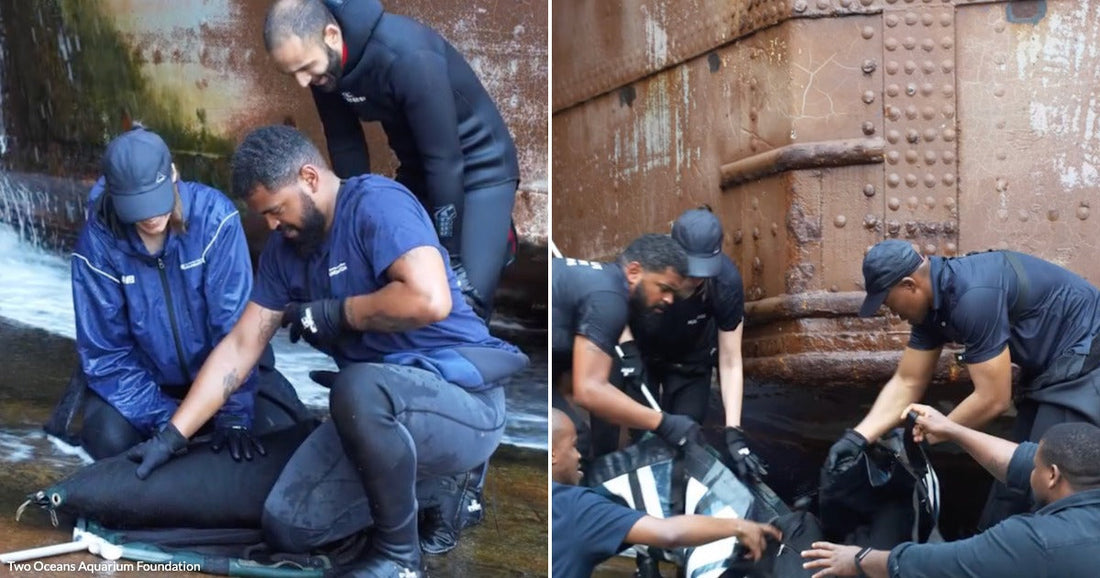
Cape Town has a new reason to feel proudly South African, and this time the spotlight is on three very bewildered Cape fur seals and the humans who refused to leave them in danger. Over the weekend, a routine day at the V&A Waterfront took an unexpected turn when the animals were discovered trapped inside the historic Robinson Dry Dock. What followed was a carefully planned, physically demanding and ultimately heartwarming Cape fur seal rescue that turned a worrying scene into a story worth sharing.
The incident unfolded when the seals somehow ended up in the dry dock area, a space never meant to be a hangout spot for wildlife. With the seals stranded and unable to leave safely on their own, the situation could have become serious. Instead, it became a showcase of swift action and quiet determination. The Two Oceans Aquarium Foundation’s Marine Wildlife team was called in, and they responded quickly, arriving with nets and specialised gear designed for exactly this kind of tricky intervention.

Once on site, the team assessed the layout of the dry dock and the behaviour of the three Cape fur seals. The environment was not only unfamiliar for the animals but also full of structural obstacles that would make any rescue effort physically challenging. After a careful evaluation, the Marine Wildlife team came up with a clear plan. They decided to remove the seals one at a time, prioritising safety and calm for both animals and people.
The Foundation later explained that this one-by-one strategy was intentional. According to their account, the team chose this approach to minimise stress for the seals as well as for the rescuers. Handling multiple wild animals at once in a confined area can easily lead to panic, noise and unnecessary risk. By focusing on each individual seal separately, the team could keep the atmosphere as controlled as possible and respond to how each animal reacted.

Two Oceans Aquarium Foundation
Executing the plan was anything but simple. Cape fur seals may look endearing when seen sunbathing on harbour walls, but up close they are powerful, heavy and unpredictable wild animals. The team had to move quickly, yet remain measured and gentle. They secured the first seal in a specialised net, designed to support the animal’s weight while limiting the risk of injury or escape. Then came the hardest part. The dry dock is accessed via a series of stairs rather than a wide ramp, which meant the rescuers literally had to carry the netted seal up the steps to reach open space.
The account shared by the Two Oceans Aquarium Foundation highlighted how demanding this was in practice. Carrying a fully grown seal up stairs is not something that simply relies on enthusiasm. It requires coordination, strength and a shared sense of purpose. Despite the strain, the team persisted, step by careful step, until they reached a safer release point near the Aquarium’s seal platform. There, the first animal was freed and guided back to the surrounding water where it could swim off to familiar territory.

Two Oceans Aquarium Foundation
The remaining two seals still needed help. With the process now tested, the team repeated the same careful method. This was far from a solo effort. A small group of helpers formed what was described as a “village” of support. In one instance, it took five people working together just to usher a seal away from the dry dock and toward a safer area. The image of several strong individuals guiding a heavy, reluctant marine mammal away from danger captures the spirit of quiet heroism that defined the day.
Piece by piece, the operation came together. The second and third seals were captured using nets, lifted up the stairs and released into secure waters, each one returning to the ocean environment that suits them best. The entire effort took significant physical effort and composure, yet the team treated it as part of their everyday commitment to marine wildlife. As the Foundation put it, rescuing and protecting animals in need is simply all in a day’s work for the Marine Wildlife team.
After all three seals were safe, the Foundation took a moment to publicly acknowledge the people behind the scenes. They extended a heartfelt congratulations to their Marine Wildlife Team and thanked everyone who stepped in to assist with the releases. The operation was a clear reminder that marine conservation is rarely a solo act. Teamwork, planning and the willingness of multiple people to help are what turn a risky situation into a success story.
These events also shine a light on the everyday presence of Cape fur seals along the local coastline. The article describing the rescue notes that seals have become such a familiar feature of Cape Town’s shores that they can feel almost like part of the coastline’s “furniture.” With so many animals living close to busy human spaces, it is inevitable that one will occasionally appear somewhere unexpected or seem to be in distress. Urban harbours, docks and piers offer easy resting spots, yet they also introduce hazards that wild animals are not equipped to fully understand.
That familiarity can sometimes lead people to forget that Cape fur seals are still wild animals, not pets or performers. The Foundation and other conservation bodies emphasise that, no matter how approachable a seal might look while lounging on a rock or bobbing near a quay, it is never safe or appropriate for members of the public to intervene on their own. Approaching or trying to move a seal risks injury to both the animal and the person. Even well-meaning attempts to help can cause severe stress to the animal, complicate later rescue efforts or lead to aggressive defensive behaviour.
Instead, members of the public are urged to admire seals from a respectful distance and contact qualified wildlife experts if something seems wrong. Organisations such as the Two Oceans Aquarium Foundation and CapeNature are trained to read an animal’s body language, assess the environment and decide whether intervention is truly necessary. They also have the right equipment, such as specialised nets and transport gear, along with the experience to use them safely. This rescue at Robinson Dry Dock served as a practical demonstration of why that training and equipment matters.
Stories like this one do more than recount a successful operation. They reinforce the idea that coexisting with wildlife in busy coastal cities is possible when people act thoughtfully. Watching three Cape fur seals return to safe waters thanks to the efforts of a dedicated Marine Wildlife team and a supportive community offers a counterbalance to the often heavy stream of daily news. It reminds readers that, even in industrial settings like dry docks and harbours, there are still people ready to step in when animals need help.
The seal rescue at the V&A Waterfront captured a moment where skill, compassion and teamwork aligned. It showed how quickly a potentially dire situation could be transformed into an uplifting outcome when the right people are called and the public respects boundaries with wild animals. For anyone who loves the Cape coastline, hearing that three stranded seals are now back where they belong is a gentle encouragement to keep looking for, and protecting, the good things happening all around us. Read more at https://www.goodthingsguy.com