
Children Write More Than 100 Letters for the Sweet Shelter Dog Adults Keep Passing By
Guest Contributor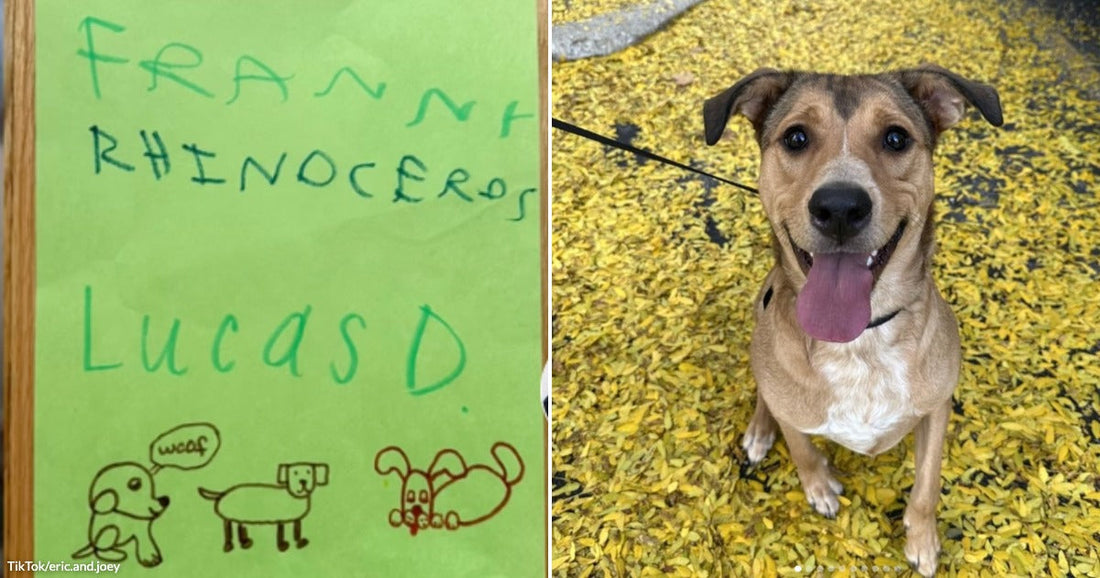
At an animal shelter in Chicago, one hopeful dog has waited longer than any other for a place to finally call home. Her name is Franny, and her story is both heart-tugging and unexpectedly uplifting. Recently, a group of elementary school students helped shine a light on this long-term shelter dog in a way that captured many people’s hearts and highlighted the quiet struggles of overlooked animals in shelters.
Franny’s journey began with the promise of a forever family. Three years ago, she was adopted from PAWS Chicago as a puppy, full of the energy and optimism that so many young dogs have. For a brief time, it looked like her story would be simple and happy. But before long, her adopters returned her to the shelter. The specific reasons are not detailed in the original report, yet the result was clear. Franny found herself back in a kennel, starting over from the beginning.

TikTok/eric.and.joey
Since that day, Franny has remained at PAWS Chicago as one of their longest residents. Staff and volunteers have watched her grow from a returned puppy into a full-grown dog who has spent years waiting patiently for a second chance. The article notes a heartbreaking pattern that can affect long-term shelter dogs. One volunteer explained in a TikTok video that the longer a dog stays at the shelter, the longer they tend to remain there. It becomes a self-perpetuating cycle, with potential adopters often passing over the animals who have been there the longest.
In Franny’s case, her ideal home setup has made her search more challenging. According to PAWS Chicago, she would do best in a family without cats, young children, or other dogs. Those limitations might be simple compatibility needs, but they narrow the pool of potential adopters and, as a result, Franny has struggled to get noticed. Day by day, people visit the shelter or scroll through adoption profiles, and many move on when they see that she has a few extra requirements.
Despite her limited options, Franny’s personality has won over nearly everyone who has taken the time to know her. At PAWS Chicago, staff members and volunteers describe her as sweet and playful, with an unforgettable charm. The report notes that she is considered a “volunteer favorite,” which means countless people at the shelter care deeply about her and follow her story closely. They see more than a list of restrictions. They see a dog who, given the right environment, could thrive as a loyal companion.
One of those supporters is Joey Masloski, who co-runs a TikTok account dedicated to encouraging the adoption of long-term shelter dogs. When Masloski visited PAWS Chicago to meet Franny in person, he found a dog who did not behave like a hardened long-timer. Instead, she ran right up to him, toy in mouth, tail wagging, ready to play and connect. Her shelter profile describes how she flashes a “famous grin” and does a happy little wiggle when she is excited, especially when she is with her favorite people or playing with her beloved toys. That kind of joyful greeting is part of what makes her such a memorable presence.
Masloski was so moved by meeting Franny that he decided to do more than simply post about her online. He reached out to elementary schools around the Chicago area and asked teachers if their students might like to help support Franny in a more personal way. The response was remarkable. Children from four different schools took part in a special project to write letters to Franny, creating an outpouring of encouragement and kindness aimed at one dog who had spent far too long waiting.

TikTok/eric.and.joey
The students wrote more than one hundred letters to the long-term shelter dog, turning what could have been a small gesture into a powerful show of community care. Many of the letters included drawings of Franny, imagining her happy, loved, and at home. The messages were simple, direct, and deeply sincere. Some wrote, “I hope you find a home, Franny,” while others added “We can’t wait to see you find your forever home,” and “Love you, Franny.” Children who had never met her still wanted to cheer her on and help her feel seen. I found this detail striking because it shows how even young people can grasp the importance of giving animals like Franny a fair chance.
These letters did not instantly deliver a forever family, yet they did change Franny’s situation in a meaningful way. After the wave of attention and support, Franny was placed in a foster home. Moving from a shelter environment to a foster situation can be a crucial step for a long-term resident. It offers a quieter space, more individualized attention, and a chance for the dog to grow accustomed to living in a home again. For a dog like Franny, who is described as a “10/10 couch companion” on her profile, it is an opportunity to show how well she can settle into family life when given structure and care.
Her foster family, according to the original report, does not plan to adopt her. That may sound disappointing at first, but foster care still plays an important role in her story. Time in foster can help a dog relax, learn routines, and practice the everyday skills that many adopters look for, such as calmly hanging out at home or greeting people politely. It also allows the foster caregivers to share real-life observations about the dog’s behavior, which can be invaluable when matching animals with adopters who fit their personality and needs.
Franny’s profile promises that she will greet her future family with “the happiest wiggle butt” whenever they return home and that she is an outstanding lounging partner who loves couch time. For someone searching specifically for a long-term shelter dog in Chicago or for a pet who can be a mellow, affectionate indoor companion, these details may be exactly what they are seeking. Stories like Franny’s remind readers that some of the most loving pets can be the ones who have waited the longest.
At the heart of this story is a message about patience, compassion, and the impact of community support. One dog, nearly invisible to many adopters, received a wave of encouragement from children who believed her story was worth their time and art supplies. Volunteers and advocates continued to show up for her, share her videos, and speak about her gentle personality. Through their efforts, she moved into a foster home, a crucial step closer to the stable, permanent family she deserves.
Masloski captured her situation poignantly, explaining that Franny is “still waiting” and yet “still sweet, still hopeful.” There is something quietly powerful about an animal who continues to trust despite being returned and then overlooked for years. Her experience reflects the reality for many shelter residents who are not instant matches for every household but who can be perfect for the right one. For anyone considering pet adoption, Franny’s story may serve as a gentle invitation to look twice at the dogs who have been waiting the longest and to imagine the kind of joy that can come from giving them a place to finally belong.