
Chimp Sanctuary Delivers Food by Drone During Florida Floods
Guest Contributor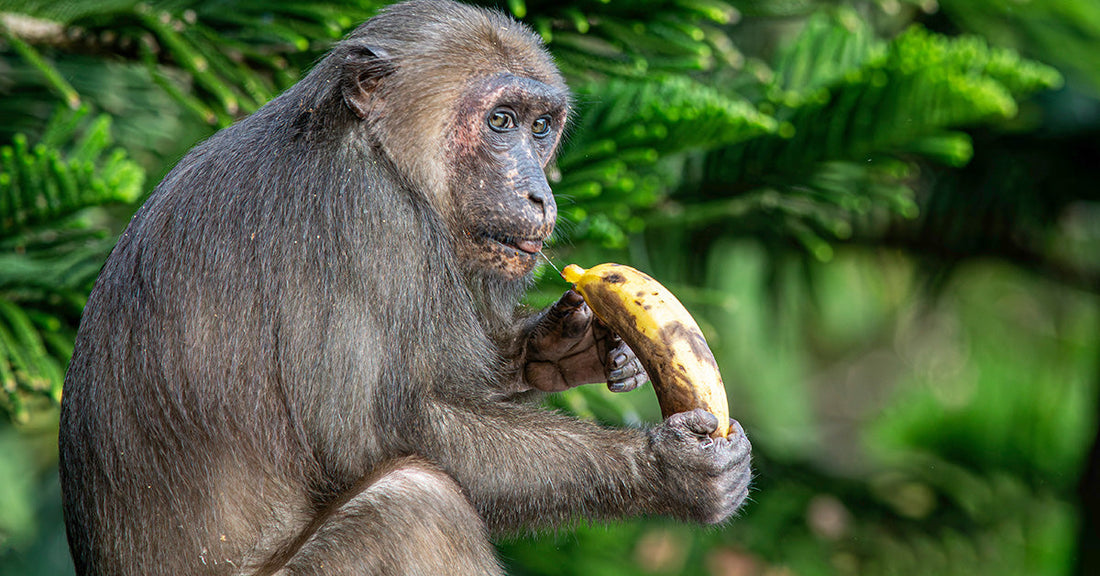
In a week of intense rain and widespread flooding in Florida, one chimpanzee sanctuary found an inventive way to keep its residents safe and fed. When rising water cut off access to part of the property, staff at Save the Chimps near Fort Pierce turned to a modern tool in an otherwise very down to earth operation: they delivered an ape’s food by drone. The image of a chimp calmly munching a banana from a drone-dropped bag captured public attention, but behind that moment lay days of careful planning, improvisation and deep commitment to animal care.
Save the Chimps is home to about 200 chimpanzees who have been retired from research laboratories, the pet trade and the entertainment industry. Since its founding in 1997, the sanctuary has provided care for nearly 350 chimps, many of whom arrive with complex histories and medical needs. When heavy rain soaked southeast and central Florida from Sunday through Tuesday, the organization found itself navigating a different kind of emergency, one shaped by floodwaters rather than by human-made harms.

According to the sanctuary’s leadership, the chimp care houses are located on high ground, which meant the animals’ living spaces stayed secure even as the surrounding property flooded. CEO Ana Paula Tavares explained that some veterinarians and other staff members chose to remain on the 150 acre property overnight, determined to maintain constant care throughout the storm. Those decisions reflected an understanding that for captive chimps, human caregivers are lifelines, responsible for everything from food deliveries to medical emergencies.
Outside the care houses, however, the landscape changed dramatically. Canals overflowed and submerged the internal roads that typically carry golf carts loaded with food. Under normal circumstances, staff deliver about 3,000 pounds of chimp food each day using those carts. As the water rose, that straightforward routine became impossible. Facilities director Mark Yohannan described how a high clearance swamp buggy temporarily filled the gap, allowing some deliveries to continue despite the flooding. When that vehicle broke down, it became clear that even backup plans sometimes need their own backups.
One particular chimpanzee brought that reality into sharp focus. A 38 year old named Kaleb remained in an outdoor area that quickly became cut off by floodwater. Rather than attempt a risky rescue by wading or driving through the submerged roads, staff looked to a different solution. The organization had previously purchased a delivery drone in anticipation of emergencies that might block access to parts of the property. This week, that investment turned from a theoretical safety measure into an essential tool.
Using the drone, staff flew paper bags filled with food and blankets to Kaleb’s isolated area. Video captured by the sanctuary shows him retrieving a bag, pulling out a banana and calmly eating, seemingly unbothered by the unconventional delivery method. Later footage shows him crossing a rope strung above standing water to reach more accessible ground. The sanctuary’s use of drone delivery for chimp food highlighted a careful balance between innovation and respect for the animals’ autonomy. Rather than forcing Kaleb to move, caregivers supported him until he was ready to cross the rope on his own.
While the drone story naturally drew attention, most chimps at the sanctuary continued to receive their meals, medicine and daily supplies by more traditional means. With the internal roads underwater, staff relied on trucks, a tractor and even a maintenance worker’s personal vehicle to navigate the flooded property. Yohannan said that the chimps were still getting their bananas, oranges and other food on time and that they had not missed a beat despite the disruption. For an operation of this scale, maintaining a steady routine during a natural disaster is no small achievement.
The flooding also affected wildlife outside the sanctuary’s chimp population. Yohannan reported that a small alligator appeared near the facility’s kitchen, likely carried into unfamiliar territory by the high water. This detail offered a reminder that extreme weather events disrupt entire ecosystems, not just human communities and the animals in their care. The sanctuary managed the situation while keeping both staff and chimps safe, even as floodwaters blurred the usual boundaries between habitats.

By Saturday, the organization reported that water levels had dropped noticeably overnight and that about 20 percent of the internal roads were clear again. The gradual recession of the floodwaters brought some relief, but the sanctuary still faced a complicated logistical puzzle. Widespread flooding in the surrounding area made it difficult for some employees to even reach the property and relieve colleagues who had been working through the storm. Despite fatigue, Yohannan described staff as being in excellent spirits, a testament to the sense of mission that often sustains people in animal care work.
The aftermath of the flooding extends beyond immediate access issues. Buildings and equipment suffered damage, which will require time and funding to repair. Save the Chimps is appealing to the public for support in fixing what the storm has compromised, and one donor has pledged to match contributions aimed at this recovery effort. For a sanctuary that depends on public generosity to provide lifelong care to former research and entertainment chimpanzees, the costs of climate related disruptions add yet another layer of responsibility.
I found it striking how this story combined very modern tools, such as drone technology, with the everyday rhythms of sanctuary life. It illustrated how animal caregivers increasingly plan for emergencies that may grow more frequent or intense. In this case, the drone solution was both simple and symbolic. It delivered a paper bag containing familiar comfort food and blankets, yet it also demonstrated how creative problem solving can protect vulnerable beings when traditional systems break down.
At its heart, the episode at Save the Chimps was about continuity of care. Even when canals turned into temporary rivers and roads disappeared underwater, caregivers adapted to keep 200 chimpanzees fed, safe and as undisturbed as possible. For Kaleb, that meant bananas gently lowered from the sky and a rope bridge toward drier ground. For the rest of the chimps, it meant dedicated staff steering trucks and tractors through flooded paths so that daily meals arrived without fail. As the sanctuary moves from emergency response into rebuilding, the story of food delivered by drone in a Florida flood stands as a quiet example of how preparation, compassion and a bit of ingenuity can come together in a moment of crisis.