
Chubby Shelter Cat’s Journey with Aquatic Therapy for Feline Obesity
Guest Contributor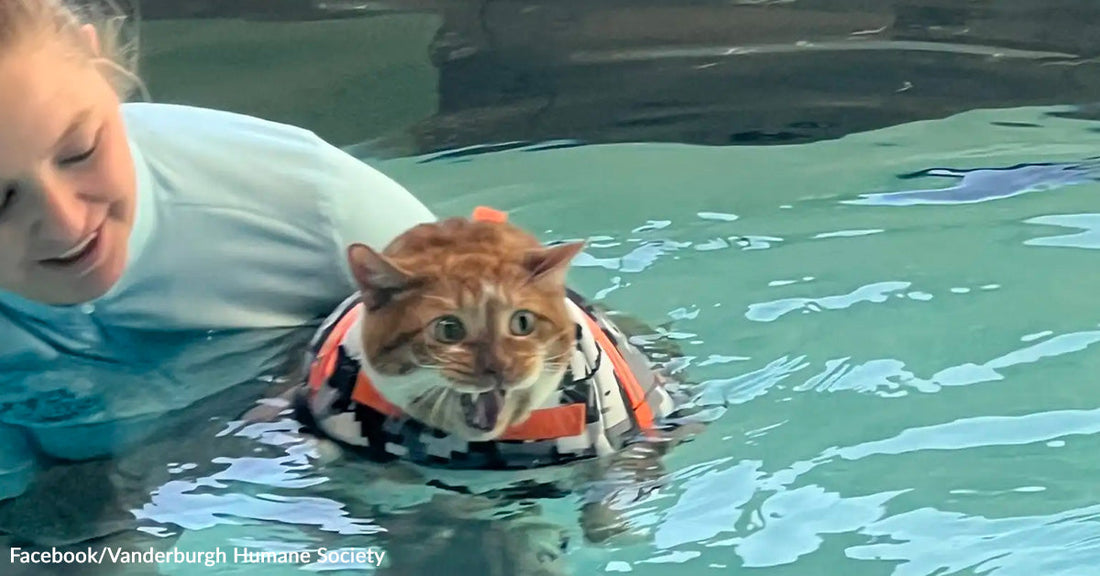
When Ty the cat arrived at the Vanderburgh Humane Society (VHS), he was hard to miss. At 30 pounds, his size was as striking as his personality. Surrendered by his family after their baby developed an allergy, Ty quickly became a memorable resident—not only because of his chubby frame but also because of his vocal, affectionate nature. The shelter staff knew he needed help, and fast. What followed was a journey of determination, water therapy, and a whole lot of meowing.

Obese cats are not uncommon at shelters, but Ty’s condition was especially severe. According to Laurie Miller, development and public relations coordinator at VHS, Ty was diagnosed with morbid obesity shortly after his arrival. X-rays revealed that the excess weight was beginning to collapse his thoracic spine, a condition that could have eventually compromised his lungs and other vital organs. It was clear that immediate intervention was necessary to preserve his health.
That’s when the VHS team reached out to the Canine Aquatic Center to create a weight loss plan tailored to Ty’s needs. The treatment included aquatic therapy, a method increasingly used for overweight pets due to its low-impact nature. While swimming might sound like a gentle solution, Ty had his own opinions about the idea—and he made them loud and clear.
During his first water therapy session, Ty expressed his displeasure in a way only a cat could. “He sang the song of his people the ENTIRE time,” Miller told The Dodo, describing how Ty vocalized throughout the experience. Despite his protests, he remained calm and cooperative, allowing the instructors to dry him off afterward and even curiously exploring the pool deck. He may not have been thrilled, but he was willing to go along with the plan.
I found this detail striking: even in discomfort, Ty’s curiosity and resilience shone through. His willingness to engage—even reluctantly—with a new and challenging routine speaks to the adaptability often seen in shelter animals. It’s a reminder of how much potential lies in animals given a second chance and the right support.
As the sessions continued, Ty began to adjust. With time and plenty of encouragement, he transformed from a reluctant participant into a capable swimmer. “After much time and lots of reassurance, he has turned into quite the swimmer,” Miller reported. “He can even swim across the pool by himself!” This progress marked a significant milestone in his weight loss journey and opened the door to greater mobility and improved health.
Ty’s story highlights the importance of specialized care for overweight shelter pets. Obesity in cats can lead to a host of health issues, from diabetes to joint problems. In Ty’s case, the risk to his spine and internal organs made the situation urgent. Through a combination of veterinary oversight, aquatic therapy, and daily care, Ty has already made meaningful strides. While he still has a way to go before reaching a healthy weight, his improved mobility is a promising sign.
Beyond the medical aspects, Ty’s journey is also a testament to the emotional resilience of shelter animals. Despite being surrendered and placed in an unfamiliar environment, he remained outgoing and affectionate. His enthusiasm for attention and connection never waned, even when he was physically limited. Shelter staff noted that once his mobility improved, his personality became even more vibrant—proof that physical well-being and emotional expression often go hand in hand.
Stories like Ty’s also underscore the value of collaboration in animal rescue. The partnership between VHS and the Canine Aquatic Center allowed Ty to receive a level of care that might otherwise have been unavailable. It’s a model that could inspire other shelters to explore creative, multi-disciplinary approaches to animal rehabilitation, especially for cases involving obesity or mobility issues.
For now, Ty continues to attend his water therapy sessions, each one bringing him closer to the goal of permanent health and, eventually, a forever home. Once his medical needs are fully addressed, he’ll be ready for adoption—and with his big personality and growing agility, he’s sure to make a lasting impression on potential families.
Ty’s tale is both heartwarming and instructive. It sheds light on the challenges of feline obesity, the potential of aquatic therapy for cats, and the incredible spirit of animals navigating transitions. As shelters across the country face rising numbers of surrendered pets, stories like Ty’s remind us of the transformative power of patience, care, and a little creativity.