
🚨Urgent: Missile Strikes Shelter in Ukraine! Rush Emergency Aid!
Is Coffee the Key to Type 2 Diabetes Management?
Guest Contributor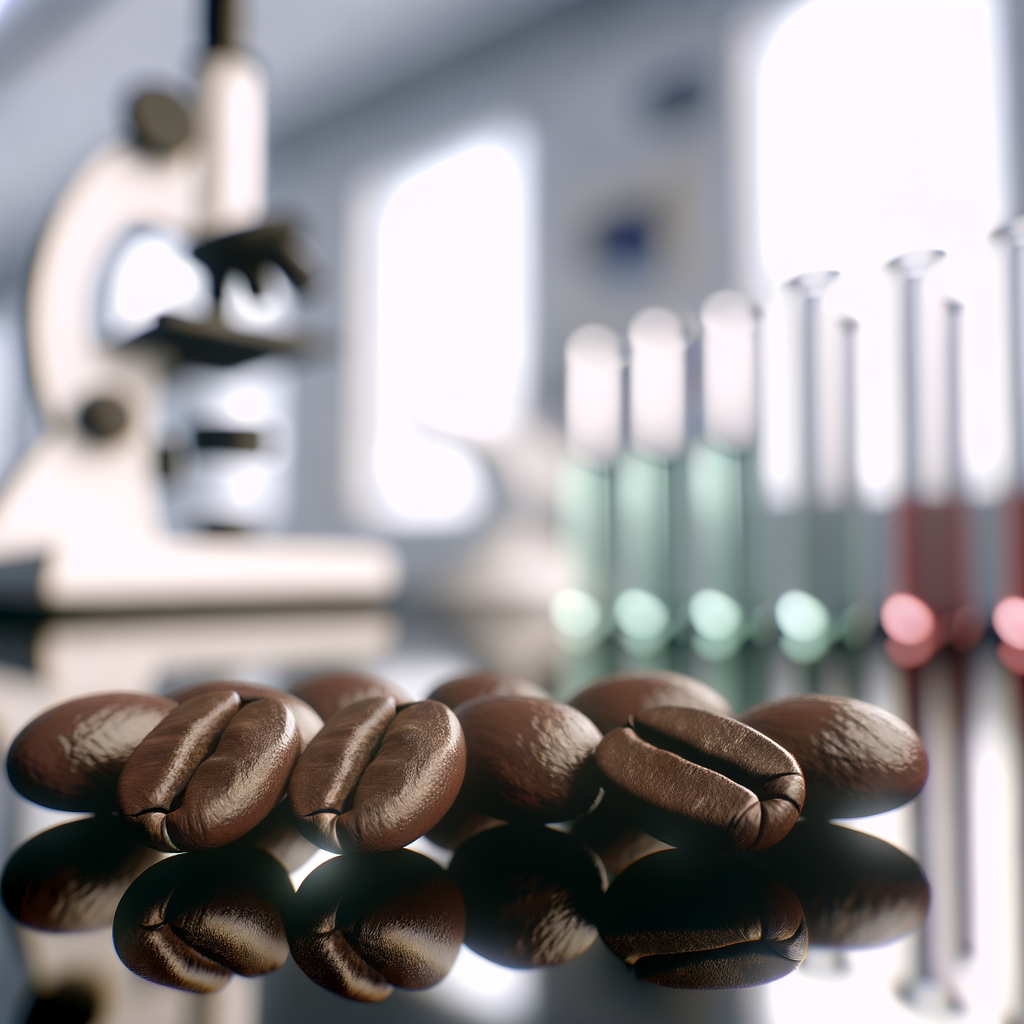
New research suggests that coffee beans may hold more than just a morning pick-me-up—they could also contain compounds with potential benefits for managing type 2 diabetes. According to a study from the Kunming Institute of Botany in China, specific molecules found in roasted Coffea arabica beans demonstrated promising effects on α-glucosidase, an enzyme critical in the digestion of carbohydrates. This discovery points to the possibility of developing new functional food ingredients aimed at supporting blood sugar regulation.

Diabetes affects more than 38 million Americans, with type 2 diabetes accounting for 90 to 95 percent of those cases. This form of the disease arises when insulin becomes less effective or insufficient, often requiring a combination of lifestyle changes and medications like metformin or insulin to manage. The study's findings offer a glimpse into how certain coffee compounds might complement these existing strategies.
At the heart of the research are three newly identified diterpene esters—named caffaldehydes A, B, and C—that showed moderate but notable inhibitory activity against α-glucosidase. This enzyme plays a key role in breaking down carbohydrates into glucose, so slowing its activity can help prevent spikes in blood sugar levels after meals. Interestingly, these compounds were found to be more potent than acarbose, a current pharmaceutical used to manage post-meal glucose levels in people with type 2 diabetes.
The researchers used advanced techniques such as nuclear magnetic resonance (NMR) and liquid chromatography–mass spectrometry (LC-MS/MS) to isolate and analyze the compounds from roasted coffee. These methods allowed them to navigate the complex chemical landscape of coffee beans, which contain a wide array of biologically active molecules. I found this detail striking, as it underscores the sophistication required to uncover subtle bioactive substances in everyday foods.
In addition to the three main compounds, the team identified three more trace-level diterpene esters that share structural similarities with caffaldehydes A–C but feature different fatty acid chains. Their absence in existing compound databases confirmed their novelty, further expanding the catalog of potentially beneficial coffee-derived molecules.
Coffee has long been associated with a reduced risk of type 2 diabetes in large population studies, and both regular and decaf varieties appear to offer benefits. This suggests that compounds other than caffeine may be contributing to the positive effects. However, as Signe Svanfeldt, lead nutritionist at Lifesum, pointed out, these lab findings are only the first step. "Many promising lab results never translate into practical benefits," she said. "Functional ingredients may support glucose management, but they are always adjuncts to diet, activity, and medication—not replacements."
Functional foods are those that offer health benefits beyond basic nutrition, often containing biologically active compounds like antioxidants or glucose-lowering agents. The idea of incorporating coffee-derived compounds into such foods is intriguing, but experts caution that more research is needed. Safety, effective dosage, and bioavailability in humans must all be established before these compounds can be considered viable for clinical use.
It's also important to note that the study focused on compounds isolated directly from coffee beans—not brewed coffee. While drinking coffee in moderation is generally considered safe and may be part of a healthy lifestyle, it's not a treatment for diabetes. Svanfeldt emphasized that these new compounds, though promising, have not yet been tested in humans. "Coffee, or these compounds, cannot replace CGMs, glucose testing, medications, or lifestyle measures," she said.
The researchers believe their three-step strategy for identifying bioactive compounds could be applied to other complex food matrices. This approach could accelerate the discovery of new functional ingredients in a variety of foods, potentially opening the door to innovative ways of supporting metabolic health.
As the next steps unfold, the focus will turn to evaluating the biological activity of these new diterpenes in vivo, as well as assessing their safety profiles. If future studies confirm their efficacy and safety, these compounds could one day become part of nutraceuticals or functional foods designed to aid in diabetes management.
Until then, the best approach remains a balanced combination of healthy eating, regular physical activity, adequate sleep, and, when necessary, medication. Coffee may contribute to this balance, but it is not a standalone solution. As always, individuals should consult healthcare professionals before making changes to their diabetes management plans.