
🚨Urgent: Missile Strikes Shelter in Ukraine! Rush Emergency Aid!
Colorado Veteran and Service Dog Share Life-Saving Bond and Healing Journey
Guest Contributor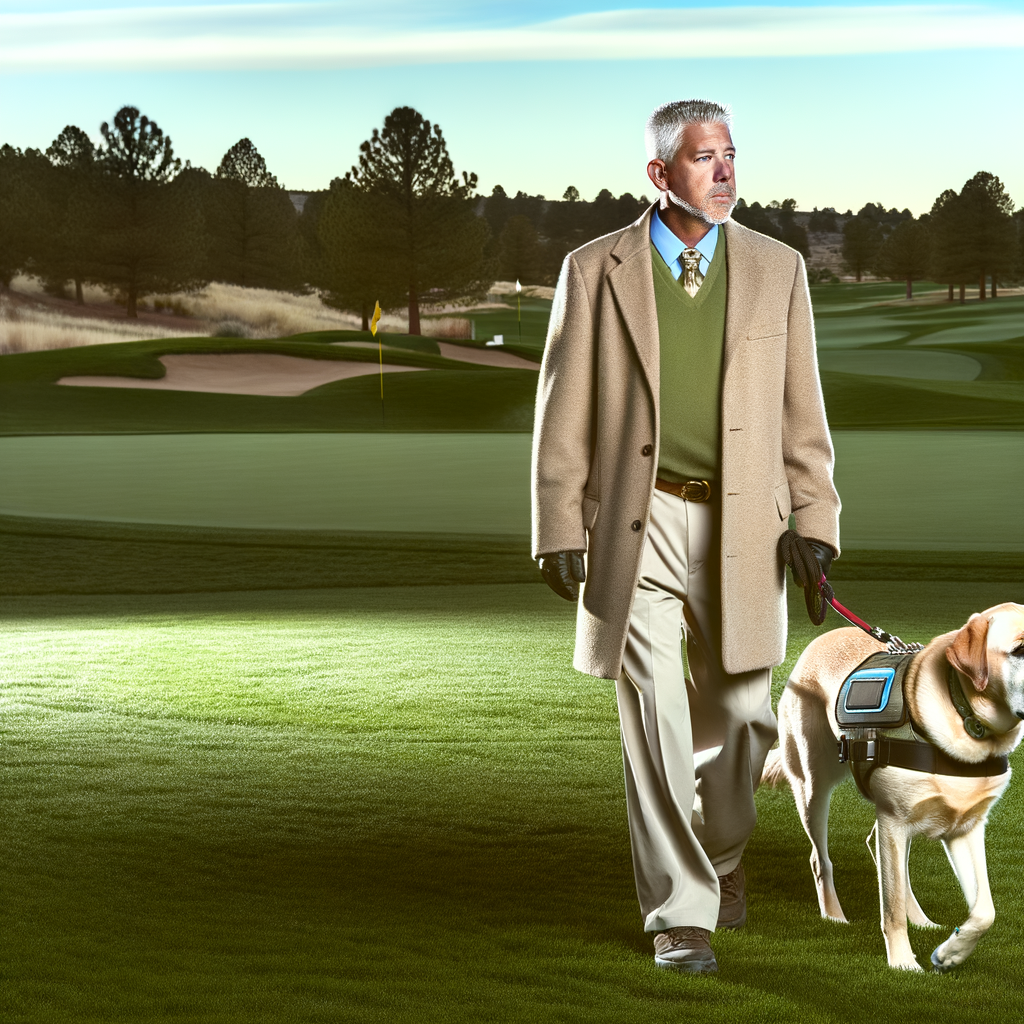
Out on the peaceful greens of Coyote Creek Golf Course in Fort Lupton, Colorado, Hank Ford makes his rounds as the course's Marshall. But Ford is never alone. At his side is Tommy, a three-year-old service dog who, according to Ford, has not only been his constant companion but also his lifesaver—quite literally.
This heartwarming story of a Colorado veteran and his dog highlights the life-changing impact of service animals on veterans coping with post-traumatic stress disorder (PTSD) and other health challenges. Ford, a veteran of both the Army and the Marine Corps, served 20 years in the military, including deployments in Desert Storm, Bosnia, and Operation Iraqi Freedom. After his final tour in Iraq, the toll of accumulated stress led to a forced retirement and the onset of severe PTSD.

"He gets me out of my own mind," Ford told CBS Colorado, referring to Tommy. Their bond was immediate, and the connection soon became a pivotal part of Ford’s recovery. I found this detail striking—how a dog’s presence could offer such profound emotional grounding in the aftermath of trauma.
Before Tommy entered his life, Ford had also worked as a lieutenant at the penitentiary in Florence, Colorado, another high-stress environment that compounded his mental health struggles. Years of service, both military and civilian, had left Ford in a dark place. That changed when Dogs Inc., an organization that trains and provides service animals for those in need, paired him with Tommy two and a half years ago.
"He wasn't the light at the end of the tunnel. He was the light," Ford said. That powerful statement encapsulates what many veterans express about their service dogs—that these animals don’t just guide them toward healing, but are the very source of it.
While the emotional support Tommy provides is invaluable, his role as a service dog extends beyond companionship. In February, that role became a matter of life and death. Around 5:30 in the morning, shortly after Ford’s wife had left for work, Tommy began barking, pawing, and jumping on him. Initially brushing it off as a bathroom need, Ford got up reluctantly—only to realize something was seriously wrong.
He felt dizzy, weak, and lightheaded. As he made his way to the door, Tommy refused to go outside and instead began hitting Ford’s chest. Alarmed, Ford checked his heart rate and discovered it was dangerously elevated. He rushed to the hospital, where doctors diagnosed a severe case of atrial fibrillation. "The docs said, with how bad my afib was, that I wouldn't have woken up or I would've had a massive stroke," Ford recalled.
Medical staff had to shock his heart to restore a normal rhythm. Throughout the ordeal, Tommy never left his side. "He laid on my chest for hours," Ford said. "I don't know that he knows exactly what was going on, but he definitely knew something wasn't right."
The story of Hank Ford and Tommy illustrates the critical role service dogs can play for veterans and first responders, particularly those dealing with mental health challenges. The keyword phrase “Colorado veteran and service dog” naturally emerges from this narrative and reflects a growing recognition of the therapeutic value these animals provide.
Organizations like Dogs Inc. are instrumental in facilitating these life-saving partnerships. By training dogs to detect subtle changes in behavior or physical condition, they equip veterans with more than just a companion—they provide a vigilant guardian. In Ford’s case, Tommy’s training and intuition may have saved his life.
Ford now advocates for greater awareness about the benefits of service animals. "They work. They have a purpose, and he serves that purpose fully," he said. His experience underscores the importance of accessible service dog programs for veterans, particularly those navigating the long-term effects of trauma and physical health issues.
The bond between Ford and Tommy also speaks to a broader truth about healing. While traditional treatments for PTSD and heart conditions remain essential, the emotional support and early-warning capabilities of a trained service dog offer a unique, holistic layer of care. For Ford, that bond is more than therapeutic—it’s life-affirming.
As Ford continues his work on the golf course, Tommy remains ever-present, a quiet hero who once barked and pawed his way into saving a life. Their story is a testament to the resilience of the human spirit and the extraordinary role animals can play in our recovery journeys.