
🚨Urgent: Missile Strikes Shelter in Ukraine! Rush Emergency Aid!
Dog Breeder Denied Bond After Dead Dogs Found On Property
Guest Contributor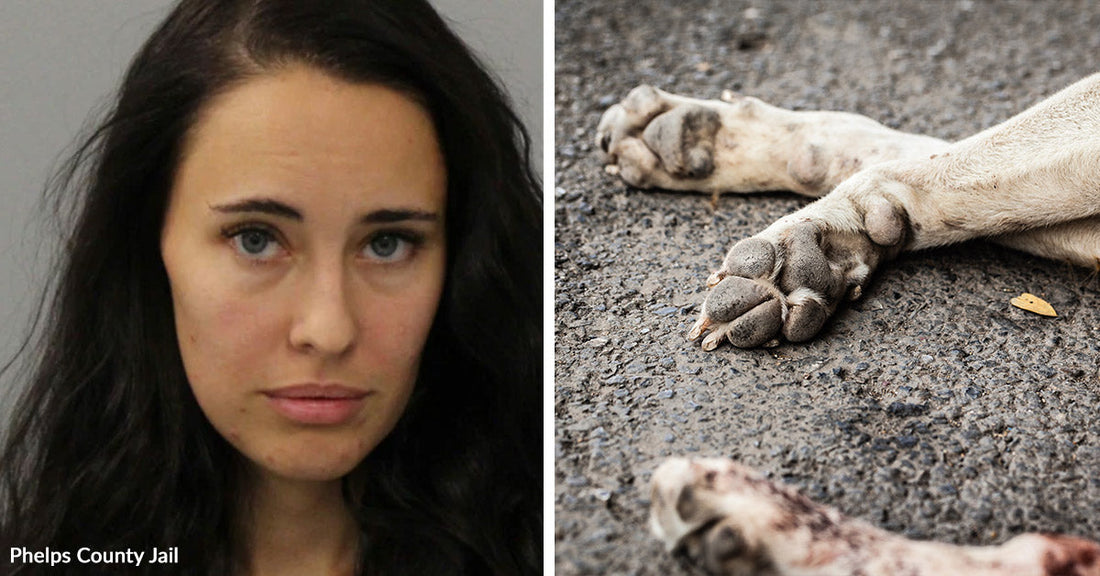
A recent case out of Columbia has drawn intense attention from animal lovers and community members alike. A Boone County judge denied bond for a Columbia dog breeder who is facing 18 counts of animal abuse, a decision that highlights both the severity of the accusations and the growing public concern over the treatment of animals in commercial breeding operations. The breeder, identified as 26-year-old Melissa Sanders, owns Magnum Opus German Shepherds, a kennel that now stands at the center of a disturbing animal abuse investigation involving multiple counts of alleged cruelty to dogs.
According to the Boone County Prosecutor, Sanders has been charged with three felony counts of animal abuse and 15 misdemeanor counts of animal abuse. These are serious allegations that reflect not just isolated incidents but what prosecutors suggest is a pattern of mistreatment. Assistant Prosecutor Cameron Shields told local station KRCG that the judge made the right decision to deny bail for Sanders, signaling that the court views the case as significant and potentially dangerous enough to keep the defendant in custody.

The investigation into this Columbia dog breeder appears to have been triggered by concerns about the conditions at the Magnum Opus German Shepherds kennel. Boone County deputies and animal control officers executed a search warrant at the property earlier this month. What they reported finding there has shocked many in the community and beyond. During the search, authorities discovered four dead dogs in outdoor kennels, a heartbreaking indication of suffering and neglect.
Officers also reported uncovering more than a dozen dog skulls and other dog remains near the kennels. In addition to those remains, deputies found the bodies of dogs placed in black garbage bags around the property. These details paint a grim scene and have raised serious questions about how long the alleged mistreatment may have been occurring and how many animals may ultimately have been affected.
Authorities said that a litter of puppies was found outside with no food or water, a detail that has resonated with many who have followed the story. For people who care deeply about animal welfare, the thought of young, vulnerable puppies left without the most basic necessities is especially difficult to hear. This aspect of the report has contributed to broader conversations about kennel oversight, responsible breeding, and what can be done to prevent similar situations in the future.
The case is not just about the dogs discovered on the property. It also involves pet owners who entrusted their animals to Sanders’ care and now describe painful experiences. One such owner, Hannah Wilson, shared that her pregnant dog barely survived after being under Sanders’ supervision. Wilson described herself as a victim and her dog as one of many animals harmed in this situation. She expressed a clear and emotional plea for accountability, stating that she hopes Sanders receives the justice she deserves for what was done to her animal and to others. Wilson emphasized that she wants justice for these dogs, a sentiment that many people following this case likely share.
Hearing directly from a dog owner in a case like this adds an important dimension to the broader story. Instead of statistics or charges on paper, Wilson’s account underscores that behind every animal abuse allegation there are individual lives affected. There is the physical suffering of animals and the emotional impact on people who love them. I found this detail striking because it highlights how deeply bonded many owners are with their pets and how devastating it can be to feel that trust in a caretaker has been betrayed.
From a legal perspective, the decision to deny bond for Sanders suggests that the judge believes there are sufficient reasons to keep her in custody while the case proceeds. Judges typically consider factors such as the seriousness of the charges, potential risk to the community, and the likelihood that a defendant will return to court. While the specific reasoning was not detailed in the report, the outcome is clear. Sanders remains held without bond at the Phelps County Jail, reflecting the gravity with which the court is treating the allegations of animal abuse in this situation.
The court has scheduled Sanders’ next appearance for Wednesday afternoon, which will likely be another key moment in this ongoing legal process. At that hearing, the court may address procedural matters, future dates, or other legal motions, though the precise agenda has not been specified in the available report. For now, the case remains active and unresolved, with investigators, prosecutors, and defense counsel all playing their respective roles in the justice system.
Stories like this serve as a sobering reminder of how vital it is to maintain clear standards for animal care, especially in kennels and breeding facilities that may house many animals at once. While most breeders and kennel owners work hard to provide safe, humane conditions, even a single case of severe neglect or cruelty can have long-lasting effects on public trust. When law enforcement officers report finding dogs dead in kennels, remains scattered around a property, and puppies without basic food or water, it challenges communities to reexamine how best to protect animals that cannot speak for themselves.
For those who follow animal welfare issues and care about ethical dog breeding, the Magnum Opus German Shepherds case will likely remain an important point of discussion. The denial of bond for a dog breeder facing multiple animal abuse charges in Boone County underscores that the legal system can respond firmly when presented with evidence of serious cruelty. At the same time, the voices of owners like Hannah Wilson amplify the emotional reality behind the charges, reminding everyone that these are not abstract legal concepts but matters of compassion, safety, and responsibility.
As this case moves forward, many will be watching the next court date and any additional details that may emerge. The hope shared by people like Wilson for justice for these dogs reflects a broader desire to see animals treated with care and respect. However the legal process ultimately concludes, the images described in this report, from the outdoor kennels with dead dogs to the puppies left without food or water, will likely remain part of the community’s memory for a long time. They may also continue to fuel discussions about how to better prevent such tragedies, support responsible kennel operations, and ensure that when warning signs appear, they are taken seriously and addressed promptly.