
🚨Urgent: Missile Strikes Shelter in Ukraine! Rush Emergency Aid!
Continuous Glucose Monitoring Alerts Enhance Safety for Diabetic Drivers
Guest Contributor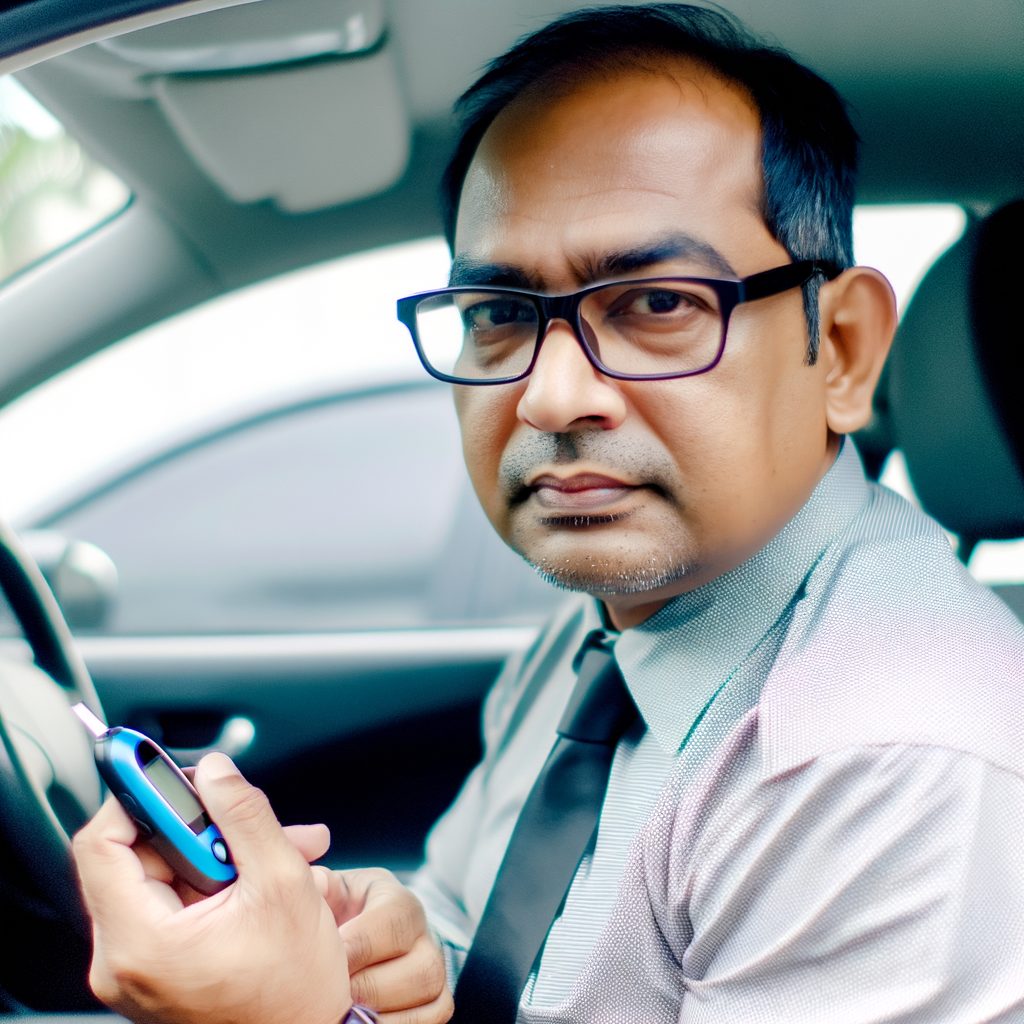
For people living with diabetes, managing blood sugar levels is a daily challenge—one that becomes significantly more complex when performing tasks that demand focus and quick decision-making, such as driving. A recent study from Japan sheds light on a promising tool that could help diabetic drivers stay safer behind the wheel: continuous glucose monitoring (CGM) devices equipped with low-glucose alerts. This research, conducted by a team from Nagoya University Graduate School of Medicine, suggests that these devices may reduce the risk of hypoglycemia-related incidents while driving, offering both a safety advantage and peace of mind.

Hypoglycemia, or low blood sugar, is a common and potentially dangerous condition for individuals treated for diabetes, particularly those using insulin. While it can be managed relatively easily in a stable environment, such as at home, the risk escalates when engaging in complex activities. Driving, in particular, requires sustained attention, coordination, and quick reflexes—all of which can be impaired by low glucose levels. Severe hypoglycemia can lead to confusion, delayed reaction times, and even loss of consciousness, making it a serious concern for road safety.
The Nagoya University study, led by Doctors Takeshi Onoue and Hiroshi Arima, set out to evaluate whether CGM devices with active low-glucose alerts could help prevent hypoglycemic episodes in insulin-treated drivers with diabetes. These devices are designed to continuously monitor glucose levels using a sensor placed on the skin. When blood sugar drops below a certain threshold, the CGM emits sound and vibration alerts, allowing the user to take action before symptoms become severe.
To test the effectiveness of these alerts, the researchers conducted a study involving two distinct four-week periods. During the first phase, known as the "alert period," participants used CGM devices with the low-glucose alert function activated. In the second phase, the "no-alert period," the same devices were used, but the alert function was turned off. The goal was to compare the frequency of hypoglycemic events while driving during each period.
The results were compelling. The incidence of hypoglycemia during driving was significantly lower in the alert period compared to the no-alert period. This finding suggests that having real-time feedback about blood sugar levels can help drivers with diabetes take timely action to prevent dangerous drops. Additionally, 63% of participants reported feeling more confident while driving when the alerts were active—a notable psychological benefit that could further enhance safety on the road.
Dr. Arima emphasized the importance of these findings, stating that CGM with low-glucose alerts has the potential to reduce the risk of hypoglycemia for insulin-treated drivers. He noted that by continuously monitoring glucose levels, most hypoglycemic episodes could be avoided, even during activities as demanding as driving. This insight aligns with the broader goal of empowering people with diabetes to maintain their independence and safety through the use of technology.
I found this detail striking: the combination of a relatively simple technological feature—an alert system—with continuous monitoring had such a measurable impact on both physical safety and user confidence. It’s a reminder of how targeted innovations can make a meaningful difference in everyday life, especially for those managing chronic conditions.
From a public health perspective, these findings also raise interesting questions about how CGM technology could be more widely adopted or even integrated into guidelines for diabetic drivers. While the study focused specifically on insulin-treated individuals, the broader implications for road safety and preventive care are worth considering. As CGM devices become more accessible and user-friendly, their role in supporting safer driving behaviors may expand.
It’s worth noting that the study does not suggest that CGM devices are a substitute for proper diabetes management or responsible driving habits. Rather, they serve as an additional layer of protection—one that can alert users to potential problems before they escalate. For people with diabetes, especially those who drive regularly, this added layer could be invaluable.
In conclusion, the research from Nagoya University highlights the potential of continuous glucose monitoring with low-glucose alerts to improve both safety and confidence for diabetic drivers. By reducing the incidence of hypoglycemia behind the wheel, these devices not only protect the individual but also contribute to overall road safety. As technology continues to evolve, tools like CGM offer a promising path toward more secure and empowered living for people managing diabetes.