
Maine’s First Comfort Dog Died Inside A State Vehicle That Stopped Running
Guest Contributor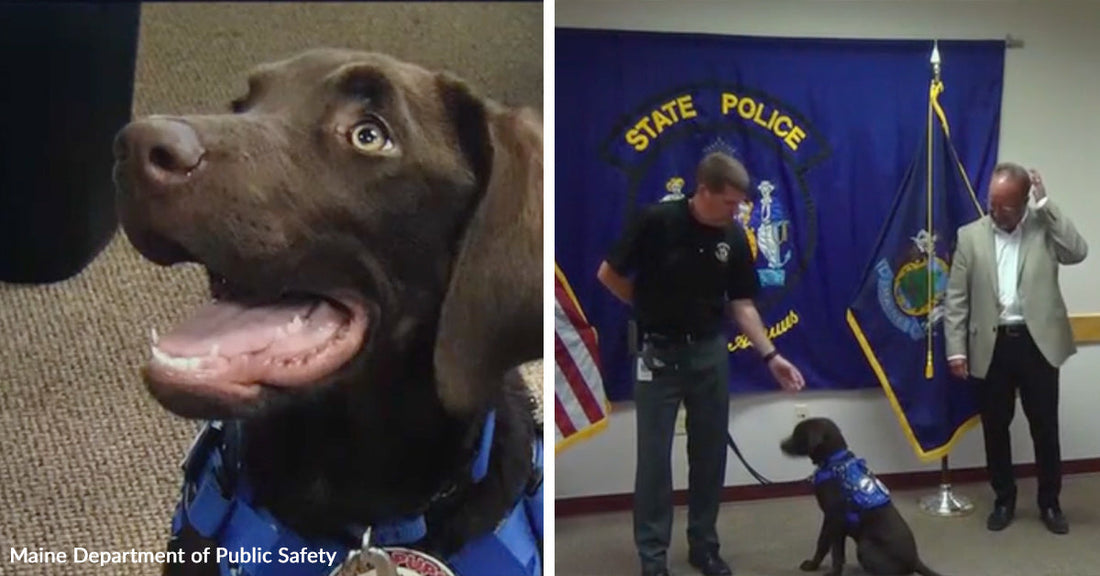
The death of Baxter, Maine’s first comfort dog, has drawn renewed attention to the dangers of hot cars and the responsibilities that come with handling service and comfort animals. The case, now involving an animal cruelty charge against Baxter’s handler, has unfolded over several months and highlights how quickly a tragic situation can develop, even in a work setting where people are used to thinking about public safety. For anyone who cares about animal welfare or works with a therapy dog or comfort dog, the details resonate in a particularly sobering way.

According to information released by the Penobscot County District Attorney’s Office, Baxter’s handler, Brodie Hinckley, is facing a civil violation of animal cruelty in connection with the dog’s death. Civil violations are distinct from criminal charges, yet the fact that an official charge has been filed under animal cruelty laws signals that authorities see Baxter’s death as more than just a heartbreaking accident. The announcement comes more than three months after the incident, a delay that reflects the time required for multiple agencies to review what happened inside that state vehicle on a spring day in Bangor.
Baxter was a 3-year-old chocolate Labrador retriever who served as Maine’s first comfort dog. Comfort dogs are often placed in roles that support communities after stressful events, ease anxiety, and provide emotional grounding in high-pressure environments. Baxter worked out of the Bangor Regional Communications Center, a hub of emergency communications that is accustomed to handling crises. That a comfort dog, specifically tasked with providing support in stressful circumstances, died nearby under such conditions adds a painful layer of irony to the story.
Officials report that Baxter was found inside a state vehicle at the Bangor Regional Communications Center in late May. At the time, the vehicle had previously been running with the air conditioning on. Authorities have said that something caused the running vehicle to unexpectedly shut off, which in turn stopped the air conditioning. The article does not elaborate on whether this was due to a mechanical failure, human error, or another factor. What is clear is that once the engine and air conditioning stopped, the temperature inside the closed vehicle would have risen quickly, placing Baxter at extreme risk.
The timeline after Baxter’s death reflects a careful review process. Following the incident, the Maine Department of Public Safety undertook an internal review. After that, the state’s Animal Welfare Program launched an independent investigation. That second step is significant because it points to an effort to separate routine internal inquiries from a broader, specialized look at whether animal welfare standards were followed and whether Baxter’s death could have been prevented.
Local station WABI had been seeking more information for months but, according to the report, officials repeatedly responded that it was an “open case” and declined to provide further details. This kind of limited disclosure is common during active investigations, especially when multiple agencies are involved. Still, the lack of immediate answers kept public questions alive. Animal lovers, community members, and those familiar with Baxter’s role as a comfort dog were left waiting for an explanation and for any indication of accountability.
The filing of a civil animal cruelty charge against Hinckley marks a turning point in that process. Animal cruelty laws typically encompass a wide range of conduct, including neglect or failing to provide adequate protection from harmful conditions like extreme heat. In this case, authorities appear to be focusing on whether Baxter was adequately safeguarded while in the vehicle and whether reasonable precautions were taken to prevent a situation where a shutdown of the engine and air conditioning could be fatal.
Hinckley is scheduled to appear in court in November. The civil nature of the charge does not lessen the emotional gravity of the situation but frames the legal response as one focused on accountability and potential penalties rather than criminal incarceration. The outcome may influence future policies regarding comfort dogs and working animals in state vehicles, particularly those assigned to public safety agencies.
I found the timing and setting of this tragedy particularly striking. Late May in Maine can bring warm temperatures, and public awareness campaigns regularly emphasize how quickly vehicles can heat up, even when outside weather does not seem extreme. A car interior can become dangerously hot within minutes, especially if ventilation fails or is cut off unexpectedly. While many people associate hot car deaths with unattended children or pets in parking lots, Baxter’s story shows that these dangers can emerge in professional contexts as well, even when a vehicle initially seems safe because it is running and climate controlled.
Service dogs, comfort dogs, and therapy animals are often treated as beloved partners in their work environments. They support first responders, comfort people during crises, and serve as living symbols of care and resilience. The loss of such an animal in a preventable situation reverberates beyond legal questions. It challenges agencies to review training, protocols, and equipment. For example, some organizations install temperature alarms or remote-start systems designed to alert handlers if a vehicle’s climate control fails while a dog is inside. While the article does not describe whether any such systems were in place, the incident will likely spark conversations about whether additional safeguards are needed.
The focus on Baxter’s role as Maine’s first comfort dog also underscores the symbolic dimension of this case. First-of-its-kind roles often carry extra visibility, and Baxter had become a public face for comfort dog programs in the state. The attention given to his death is not only about one dog, but also about how communities value and protect animals that serve in official capacities. Many people see service and comfort dogs as part of the broader public safety team. When something goes wrong, there is a strong desire to understand the cause and prevent a recurrence.
From an animal welfare perspective, the charge against Baxter’s handler suggests that authorities want to send a clear message about the importance of vigilance when animals are left in vehicles, even for short periods and even within work environments. It is not uncommon for handlers or pet owners to rely on running engines and air conditioning to keep animals safe during brief absences. Baxter’s death is a reminder that mechanical systems can fail, and that the margin for error is narrow once a vehicle’s climate control shuts off with an animal trapped inside.
As the court date in November approaches, many questions will likely persist in the community. People may want to know more about exactly how long Baxter was left alone, what steps were taken before and after the engine shut off, and how policy might change to protect other comfort dogs and working animals in the future. While those details are not contained in the current report, the broader themes are already clear. Baxter’s story reinforces the critical need for robust safety practices, transparent investigations, and thoughtful oversight for animals that serve alongside humans in demanding roles.
The loss of Baxter has been described in the context of a legal case, yet it is also, at its core, the story of a single dog whose life and work touched a community. Whether people encounter the case through news coverage, local conversations, or future policy discussions about animal welfare, the hope is that the lessons learned from this tragedy will help prevent similar incidents and will honor the contribution Baxter made as Maine’s first comfort dog.