
A Stabbed Dog Was Left Bleeding In A Basement While The Suspect Allegedly Fled
Guest Contributor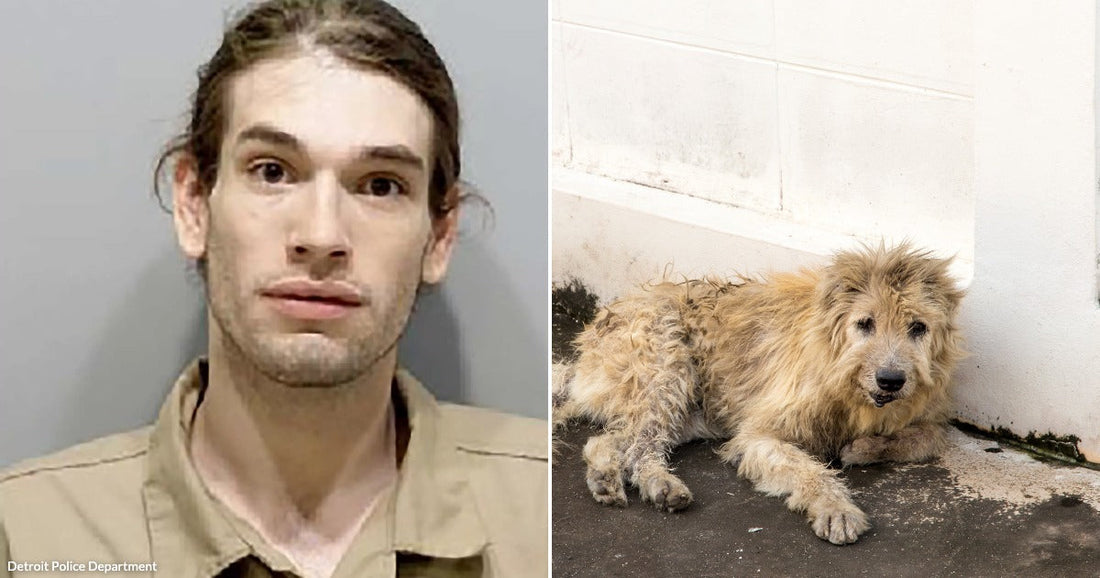
The recent case of a Detroit resident charged after a dog was found stabbed in a basement has shaken many people who care about animal welfare. The story offers a stark example of alleged animal torture and has refocused attention on how the justice system responds to animal cruelty. For those following developments in Detroit animal abuse cases, this incident underscores both the horror of the crimes and the determination of prosecutors to pursue accountability.
According to authorities, 29-year-old Jordan Love of Detroit has been charged with second-degree animal torture and cruelty to multiple animals, a felony that could bring up to seven years in prison. The charges stem from a February 7 incident at a home in the 15200 block of Manning Street. Detroit Animal Care and Control officers were sent to the property after receiving reports that a dog had been stabbed. When they forced their way into the home, they found a dog in the basement with multiple stab wounds to its torso.

Prosecutors allege that Love stabbed the dog and then recorded and posted a video of the injured animal on social media early that morning before fleeing Michigan. The details are deeply disturbing, and they highlight how some acts of animal cruelty are not only violent but also publicly displayed online. In addition to the dog found with stab wounds, authorities removed three dogs and four cats from the property, reflecting concerns about the welfare of multiple animals in the home.
Love was arrested weeks later on March 20 in Greenville, South Carolina, then extradited back to Michigan to face charges. The cross-state arrest adds another layer that has caught public attention, reinforcing how seriously law enforcement is treating this case. The alleged actions and the subsequent flight from the state have fueled anger and sadness among residents and animal advocates who are following the case closely.

Detroit Police Department
Wayne County Prosecutor Kym Worthy addressed the case in a statement that placed it within a broader effort to strengthen protections for animals. She noted that the Wayne County Prosecutor’s Office has historically taken animal abuse very seriously and has worked to influence legislation related to animal cruelty laws. Worthy pointed out that her office has been “proactive with the applicable laws” and has both sought and fought for changes to existing statutes when needed.
What stands out in her remarks is the acknowledgment that even with this history, the level of alleged brutality in this particular case was not something they fully anticipated. Worthy described the case as a clear representation of why stronger animal cruelty laws were needed. I found this detail striking because it connects a single, very specific incident to years of legislative work and advocacy, illustrating how one tragic case can become an example of why robust legal tools are essential.

This incident does not exist in isolation. It arrives in the context of another widely followed Detroit animal cruelty case involving a Jack Russell Terrier named Gideon. Earlier this year, residents learned of allegations that Gideon was intentionally scalded in a Detroit bathtub. Reports indicate that he suffered third-degree burns across much of his body and required months of painful treatment that included daily bandage changes and skin grafts.
The story of Gideon has resonated deeply with people both in Detroit and across the country. After enduring significant medical care, the dog was adopted and is now living with a local rescue volunteer. His recovery and new home have become a symbol of resilience and the life-saving work of animal rescue organizations. At the same time, the reported cruelty that led to his injuries has galvanized public calls for justice and for more assertive enforcement of animal cruelty laws.
The Wayne County Prosecutor’s Office has confirmed that the investigation into Gideon’s abuse is ongoing. The office is working toward the goal of having a warrant request submitted for prosecutors to review, which would be the next step toward a potential charging decision. According to spokesperson Maria Miller, once a warrant request is presented, prosecutors will review the materials and make a charging recommendation to Prosecutor Worthy, who will then make the final decision on charges.
Miller addressed public frustration over the pace of the investigation and tried to clarify why the process can be lengthy. She emphasized that prosecutors must build cases that can stand up in court rather than rely on social media posts or online commentary. In her words, the office “cannot rely on Facebook posts or allegations that are coming from various online chats.” Instead, they must gather facts and evidence that meet the high standard of proof beyond a reasonable doubt.
That explanation touches on a tension that often emerges in highly publicized animal cruelty cases. On one side is an outraged and deeply concerned public, eager to see swift justice when a Detroit dog is stabbed or a pet is scalded. On the other side is a legal system that moves methodically and requires documented evidence, clear witness statements, and legally sound procedures. The result is that even when a case appears clear in the court of public opinion, prosecutors still need time to assemble the kind of evidence that will hold up in a court of law.
These recent Detroit animal abuse cases highlight several themes. First is the emotional and moral gravity of cruelty to animals. Many people consider pets to be family members, which makes stories of torture or severe neglect especially painful to read. Second is the role of local governments and prosecutors in both enforcing existing laws and pushing for stronger protections. Worthy’s references to prior legislative work suggest that this office has long seen animal cruelty as a serious offense that demands more than a token response.
Third is the growing power of public attention. Gideon’s story in particular has drawn support from across the country and has clearly influenced conversations about enforcement and accountability. While public pressure cannot replace careful legal work, it can underscore that communities value the safety and humane treatment of animals and expect the justice system to reflect those values.
Taken together, the stabbing case involving Jordan Love and the ongoing Gideon investigation paint a sobering picture of animal cruelty in Detroit, yet they also show a community that is watching closely and a prosecutor’s office that is treating these matters with gravity. As these cases move forward, they may continue to shape how the city, and perhaps the state, understands and responds to animal torture and neglect. For now, many will be waiting to see how the courts address the allegations and whether the outcomes contribute to stronger protections for the animals who share people’s homes and neighborhoods.