
💜 Thanksgiving Food Drive for Shelter Pets Help Us Feed 1 Million Shelter Pets!
Eight Orphaned Black Bear Cubs Return to the Washington Wilderness After Months of Care
Guest Contributor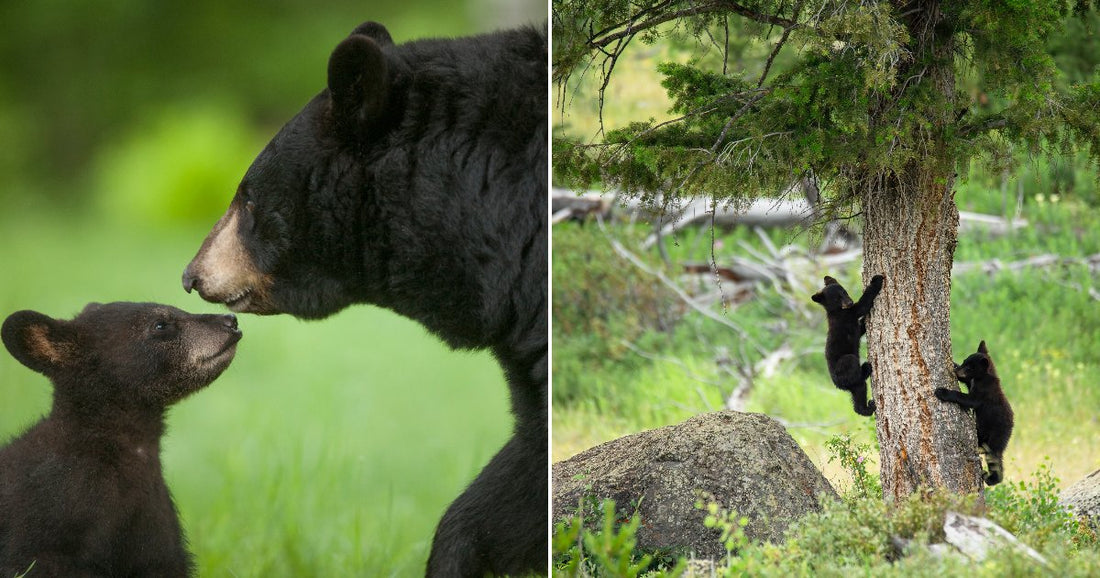
In Snohomish County, eight American black bear cubs recently returned to the wild after months of intensive care at the PAWS Wildlife Rehabilitation Center. Their story is both uplifting and sobering, highlighting how community support, wildlife expertise, and changing environmental conditions are becoming tightly intertwined. For anyone interested in black bear cub rehabilitation or the broader challenges facing wildlife, this release offers a revealing look at what it takes to give wild animals a second chance.
According to PAWS, 2023 was an unusually busy year for black bear rescue efforts. The organization cared for 17 black bears in total, with eight of them arriving within a single month. Staff shared that in a more typical year they see only four or five bears. That sharp increase meant the center faced a sudden surge in demand for space, specialist care, and food at a scale that is not normal for their operations.

When PAWS asked the public for help earlier in the fall, the community responded with remarkable generosity. The center received more than 10,000 pounds of food donations, including fresh and frozen vegetables, fish, grocery store gift cards, and financial contributions. That support was essential because the bears were growing quickly and collectively required up to 175 pounds of food every single day. Emily Meredith, associate director of the wildlife center, noted that as each bear arrived, the team was averaging 175 pounds of food per day, which illustrated just how significant the resource needs were.
Meredith emphasized two things at once. On one hand, there was the logistical challenge of feeding and managing such a large group of developing carnivores. On the other, there was deep gratitude for the people who stepped in to help. Their response meant that the staff could focus on providing the specialized nutritional and behavioral care that black bear cubs need in order to grow strong enough, and independent enough, to be released back into suitable habitat.

The reasons behind the spike in black bear cub admissions are still being studied, but staff at PAWS point to shifting environmental conditions as one likely factor. Wildlife researchers have documented how drought, declining snowpack, and altered seasonal patterns can reduce natural food sources for bears. Huckleberries, for example, are a key late-season food for many black bears, helping them build the fat reserves they rely on to make it through winter. In some regions, those berries have been scarce, and that scarcity ripples through the entire food web.
PAWS wildlife biologist Anthony Denice explained that when bears struggle to find enough food in their natural habitat, they are more likely to move into neighborhoods or other populated areas in search of calories. That can lead to conflict with people, whether through garbage encounters, raided bird feeders, or other sources of human food. Denice also made it clear that not every orphaned cub in their care arrived because of lack of food in the wild. However, he acknowledged that environmental shifts can be one contributing element behind the increased need for rehabilitation.
I found this detail striking because it ties individual animal stories to a larger pattern. Each cub that arrives at a rehabilitation center represents not only a young bear in trouble but also a signal about the conditions in the broader landscape. Scarce berries, sparse snowpack, and prolonged drought do not just exist as abstract climate data. They show up in very concrete ways, such as the number of orphaned or malnourished animals needing human assistance.
When it is time to return rehabilitated bears to the wild, PAWS does not make those decisions alone. The center works closely with the Washington Department of Fish and Wildlife to determine the best timing and release locations. Each bear is evaluated on an individual basis with the goal of giving it the strongest possible chance at survival. Staff look at physical condition, behavior, and seasonal factors before deciding when and where to transport a cub or yearling back into forested terrain.
In this recent case, eight black bears were deemed ready and were successfully released. At the same time, nine more bears remain in care as staff prepare them for winter. That preparation goes well beyond simply providing food. The team creates dark, quiet dens lined with natural bedding materials and intentionally limits disturbances. They also gradually reduce the amount of food offered as the bears build up their fat reserves and transition into a state of reduced activity.
PAWS points out that black bears do not hibernate in the strictest sense of the term. Instead, they enter a period of torpor. During this time, they become much less active and spend most of the winter resting, living off stored fat. Supporting that process in a rehabilitation setting means mimicking the natural conditions that would encourage denning. It also means carefully timing releases so that bears enter the wild with enough reserves to carry them through the colder months.
Black bears are not the only patients whose lives intersect with this careful work. The PAWS Rehabilitation Center is also currently caring for a juvenile bobcat, juvenile bald eagles, and an adult great-horned owl. Each of these species arrives with its own medical issues and dietary needs, which add layers of complexity to the daily operations at the facility. From feeding carnivores specialized diets to treating injuries and monitoring flight readiness in raptors, the staff manage a diverse caseload at any given time.
Meredith described every successful release as the culmination of countless hours invested by veterinarians, animal care specialists, volunteers, and community members. Each animal’s journey from intake to release requires patient observation and repeated decisions that balance welfare, safety, and ecological responsibility. She also expressed deep appreciation for the broader public that contributed food, funds, and attention to support this work, noting that many people clearly believe wild animals deserve a genuine chance to return home.
The story of these eight black bear cubs returns us to a simple but powerful idea. Wildlife rehabilitation is not just about individual animals in kennels or temporary forest enclosures. It is about the shared landscape between people and wildlife, the ways environmental change alters that landscape, and the choices communities make in response. If donations of vegetables, fish, and gift cards can help bridge a difficult season for a group of bears, it suggests that small, thoughtful actions can have an outsized impact when channeled through organizations equipped to help.
As PAWS continues to care for the nine bears still preparing for winter, as well as the bobcat, eagles, and owl in their facility, the work remains ongoing rather than finished. The release of these eight cubs is a milestone, not an endpoint. It underscores how coordinated support, scientific understanding, and public engagement can come together to ensure that more wild animals are able to step out of a transport crate and back into the forest where they belong. Read more at https://komonews.com/news/local/eight-black-bear-cubs-released-after-months-of-care-in-snohomish-black-bears-do-not-hibernate-paws-wildlife-rehabilitation-center-wildlife-nature