
🚨Urgent: Missile Strikes Shelter in Ukraine! Rush Emergency Aid!
Man Sentenced After Cat Was Killed In Disturbing Public Attack
Guest Contributor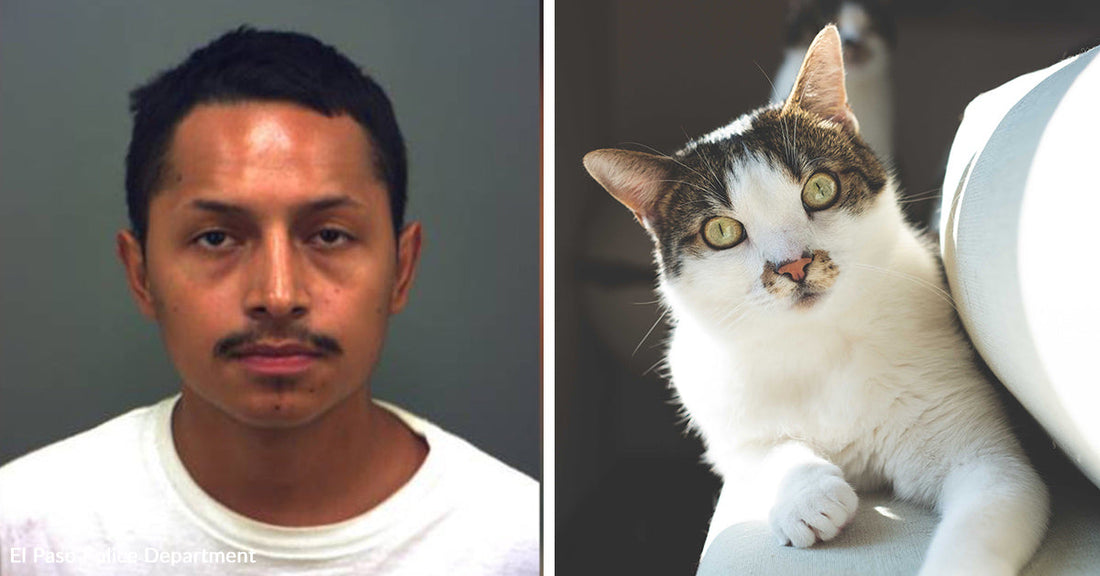
The recent case of an El Paso man sentenced to probation after killing a cat has stirred deep concern among animal advocates and community members. The incident, described by the animal protection organization In Defense of Animals, has highlighted painful questions about how the justice system handles severe animal cruelty and what it means for public safety. Many people encountering this story for the first time are struck by both the brutality of the act and the relative leniency of the sentence.
According to In Defense of Animals, the case began on July 17, 2024, outside The Junction Brunch House in El Paso. The restaurant’s manager called 911 after a customer reported a horrifying scene in the parking lot. The customer said that a man was stabbing a cat and eating the animal’s internal organs, an allegation that immediately raised alarms about both extreme cruelty and possible mental health concerns.

After the man left the scene, restaurant employees found what remained of the cat. They placed the body in a plastic bag and put it in a dumpster, an act that underscores how shocking and distressing the discovery must have been. When an officer from El Paso Animal Services Protection arrived, along with local police, they examined the area and later retrieved the cat’s remains. In Defense of Animals reports that the officers found intestines still in the parking lot. When they recovered the rest of the body, they discovered that the cat’s head had been crushed and the body had been ripped open. The graphic nature of these details has intensified calls for accountability and reflection on how such cases are treated in court.
The man identified in the case, Krystopher Nathan Torres, was located by officers the day after the incident. He came to law enforcement’s attention again when he was involved in a car accident. From there, investigators connected him to the animal cruelty allegations, and charges followed. As the legal process moved forward, the facts laid out by the animal group and authorities painted a deeply troubling picture, especially for those who see a strong link between serious animal cruelty and broader community safety.
On Monday, Torres pleaded guilty to animal cruelty. The court sentenced him to five years of probation and required him to complete 200 hours of community service. For many observers, including animal advocates, this outcome felt inadequate when weighed against the severity of the cruelty described. The sentence did not include jail time, and there was no mention of mandated mental health treatment in the account provided by In Defense of Animals. To those who had followed the story closely, this raised immediate concerns about whether the response matched the seriousness of the offense.
In Defense of Animals expressed particular disappointment with the sentence. The organization’s Justice for Animals Senior Campaigner, Doll Stanley, criticized the court’s handling of the case, saying that the disturbing nature of the cruelty had not been taken seriously. Stanley noted that the person responsible was neither going to serve time incarcerated nor required to receive what the group viewed as obviously needed mental health counseling. The advocacy group stressed that individuals who can harm animals so maliciously must be held fully accountable, not only for the sake of the animals but for the safety of vulnerable members of the community.
This concern reflects a broader issue in discussions about animal cruelty. Many advocates point to research suggesting that severe violence toward animals can sometimes coincide with or precede violence toward people. That belief helps explain why organizations like In Defense of Animals follow cruelty cases closely and call for strong legal consequences. They argue that when an act involves torturing or killing an animal in a particularly brutal way, a response focused only on supervision and community service may not address the underlying risks or needs.
At the same time, courts must operate within the boundaries of existing law, and sentencing decisions often reflect a mix of factors that are not fully detailed in brief public reports. Those following this El Paso case may never know all the information the judge considered. Even so, the public reaction reported by the animal group centers on a feeling that the moral weight of the offense was not reflected in the outcome. For people who care about humane treatment of animals, the idea of a cat stabbed, disemboweled, and partially eaten in a public parking lot is profoundly disturbing, and the absence of jail time feels to many like a missed opportunity to send a clear message about accountability.
What stands out about this case is not just the initial act but also the lingering sense of unease it leaves in the community. A restaurant parking lot is an everyday setting, a place most people associate with casual meals and routine errands. To learn that such violence occurred there, in broad view of others, can shake a neighborhood’s sense of normalcy and safety. Opinions on what constitutes an appropriate sentence may vary, but the emotional response of shock and sadness is widely shared among people who learn what happened to the cat.
In Defense of Animals and similar organizations often use cases like this to renew calls for stronger anti-cruelty laws, better enforcement, and greater recognition of animal cruelty as a serious social issue. While the group’s statement focused on its disappointment, it also implicitly highlighted the broader mission to protect both animals and people. I found this detail striking because it underscores how animal welfare work often intersects with concerns about mental health, public safety, and community values.
For community members in and around El Paso, this incident may serve as a prompt to stay attentive to signs of cruelty, report suspected abuse, and support local shelters and rescue efforts. It also may encourage conversations about how the justice system can balance rehabilitation, mental health support, and accountability when dealing with especially disturbing offenses. Even those who do not follow animal law closely can recognize that the way a community responds to cruelty reflects its core beliefs about compassion and responsibility.
As people read and share this story, many will likely find themselves reflecting on how vulnerable animals depend entirely on humans for protection and humane treatment. The details released by In Defense of Animals about the cat’s suffering, the actions of the restaurant staff who tried to handle the aftermath, and the advocates’ reaction to the sentence together form a sobering picture. Whether this case ultimately leads to legal changes, increased public awareness, or renewed support for local animal services, it has already left a deep impression on those who value the safety and dignity of all living beings.