
🚨Urgent: Missile Strikes Shelter in Ukraine! Rush Emergency Aid!
Adaptive Sports at VA Summer Clinic Empower Disabled Veterans
Guest Contributor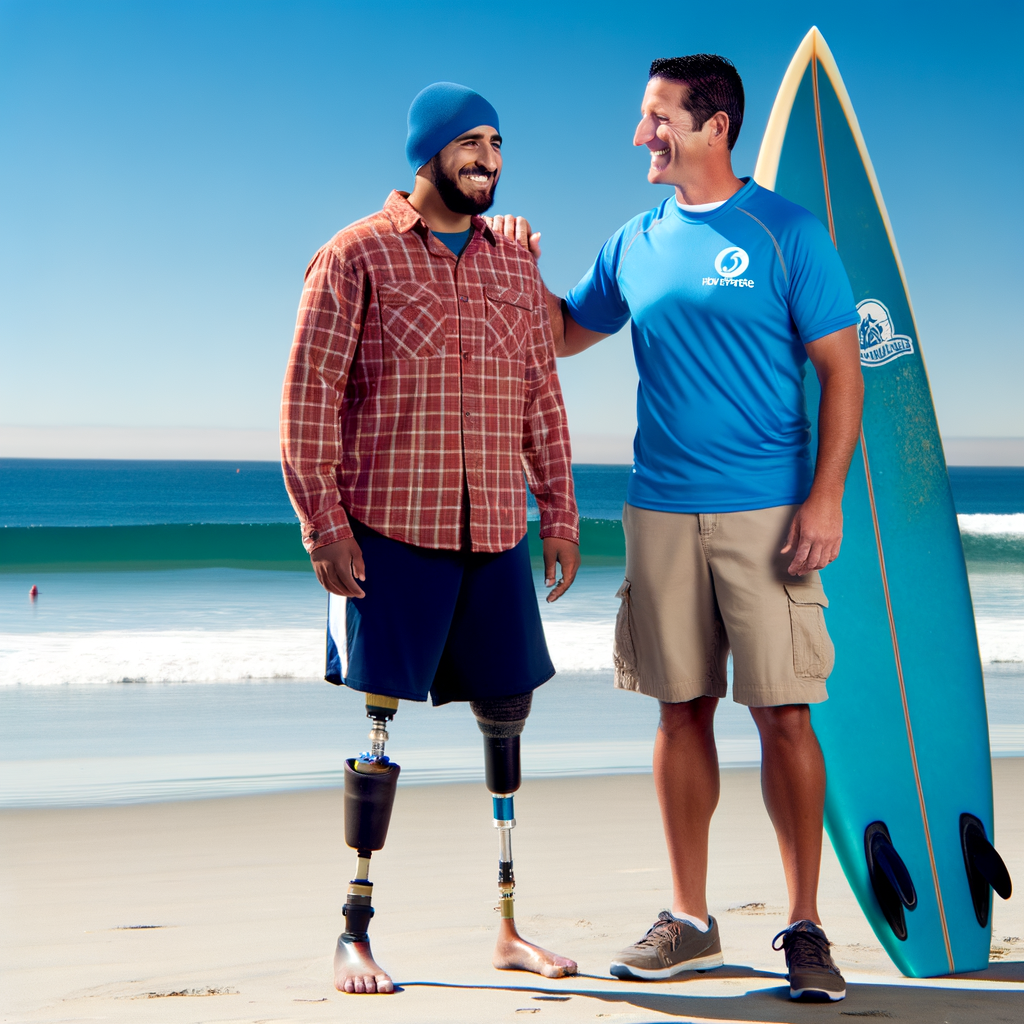
This week, San Diego is hosting a powerful gathering that blends athleticism, camaraderie, and healing. Approximately 150 veterans with disabilities have come together for the VA Summer Sports Clinic, a weeklong event that offers adaptive sports opportunities, including surfing, sailing, kayaking, and cycling. Organized by the Department of Veterans Affairs and supported by nonprofits like the Wounded Warrior Project, the clinic provides more than just physical activity—it fosters connection and resilience among veterans navigating life after service. For many participants, it's a transformative experience that redefines what is possible.
Adaptive sports for veterans are a growing movement, and events like this clinic demonstrate their profound impact. Air Force veteran Tessa Grahmann, attending her first VA sports clinic, traveled from Richmond, Virginia, to take part. Speaking about her anticipation, she shared, "I'm definitely looking forward to surfing — something that you never thought you would do or you never thought you could do." Her words reflect a recurring theme among participants: the rediscovery of capabilities once thought lost. Grahmann added that trying new things at her age felt unlikely, but the clinic has opened up new possibilities.

The mood at the Summer Sports Clinic is uplifting, driven by the shared enthusiasm of veterans trying new activities and connecting with one another. Participants are divided into teams and rotate through different sports each day. On Monday, Grahmann’s group took to the streets of Coronado for a cycling session. The event is supported by staff from the VA, volunteers, and representatives from the Wounded Warrior Project, which sponsors the cycling portion. Marine Corps veteran Mike Owens, now director of adaptive sports at the nonprofit, described how important staying active has been in his own recovery journey after being injured in Iraq in 2005. “If I'm not active regularly, I'll go downhill — mentally, physically, emotionally,” he said.
For many veterans, adaptive cycling is more than recreation—it’s a gateway to renewed confidence. Army veteran Rodney Johnson, who uses a wheelchair, said his experience at the VA’s wheelchair games earlier this year inspired him to explore cycling. “The overall thing that I found with both their wheelchair games and [the Summer Sports Clinic] is to be able to talk to vets and listen to the different stories,” he said. “And I look at mine and go, 'I can do this.'” Johnson’s words highlight how the shared experiences of veterans can serve as powerful motivation.
Participants are fitted with a range of adaptive cycles, including hybrid cruisers, recumbent bicycles, and trikes. Some are pedaled by foot, others by hand, depending on the rider’s needs. The variety ensures that every veteran, regardless of mobility level, can participate fully. This inclusive approach is central to the clinic’s mission: to empower veterans through physical activity and social connection.
Johnson, who lives in rural Wisconsin, noted that opportunities to socialize are rare in his day-to-day life. “This is way out of my comfort zone,” he admitted. “I don't tend to socialize very much anymore but here, I could feel comfortable. There's nobody judging me.” That sense of acceptance is echoed by Grahmann, who was surprised by how quickly bonds formed among participants. “I thought that learning how to do all the activities was going to actually be the highlight,” she said. “But I've been here just a couple days and I feel like I've just made lifetime friends.”
That camaraderie is often one of the most valued aspects of military service, and for many veterans, it’s something deeply missed. Johnson remarked that the connections he’s made at the clinic remind him of his active-duty days. “It's easy to connect with these guys and ladies,” he said. “So that's what I really like about it — just the camaraderie kind of gives you the feeling of being back in the service where you've got your back up, you've got your friends.”
As the clinic continues throughout the week, participants are not only trying new sports but also reclaiming parts of themselves that may have felt out of reach. Johnson, for instance, received a recumbent bicycle at his home just before traveling to San Diego. It’s a symbol of his commitment to staying active beyond the clinic, and a tangible reminder of what’s possible with the right support and encouragement.
Adaptive sports for disabled veterans are more than just physical challenges—they are opportunities for growth, healing, and connection. Events like the VA Summer Sports Clinic in San Diego highlight the importance of these programs in supporting veterans’ mental and physical well-being. As veterans like Grahmann and Johnson demonstrate, the impact of such experiences can be life-changing.