
🚨Urgent: Missile Strikes Shelter in Ukraine! Rush Emergency Aid!
Endangered Red-Cockaded Woodpecker Thrives in Florida Military Training Ground
Guest Contributor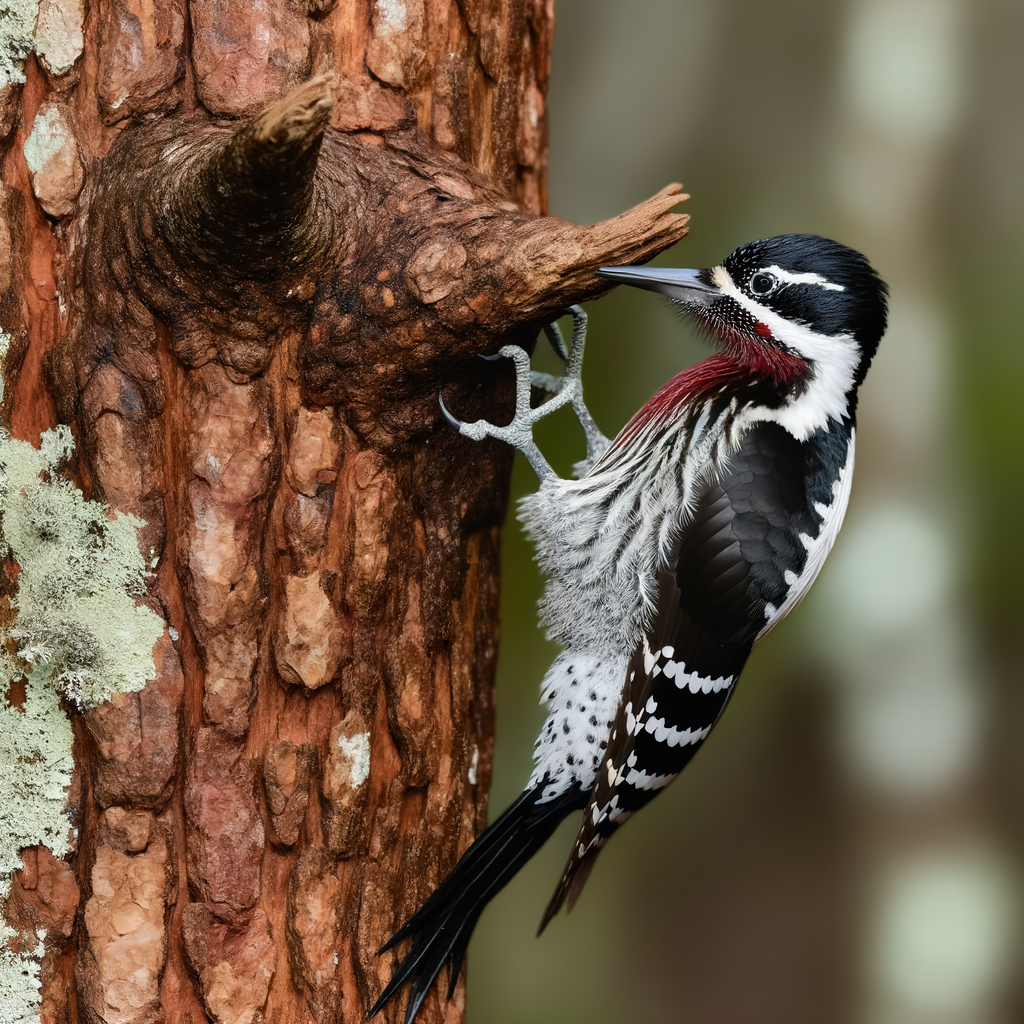
The red-cockaded woodpecker, once a familiar sight across the southeastern United States, has found an unexpected sanctuary in the heart of a military training ground. At first glance, the 106,000-acre Avon Park Air Force Range in central Florida seems an unlikely haven. The U.S. Air Force uses it for bombing practice and low-level flight runs, activities that hardly evoke images of thriving wildlife. Yet nestled between target zones lies one of Florida’s largest remaining patches of longleaf pine savanna—an ecosystem critical to the survival of more than 40 at-risk species.

Among these species is the endangered red-cockaded woodpecker, a bird that has seen its habitat shrink to a mere fraction of its historical range. Thanks to a long-term collaboration among the military, federal biologists, and academic researchers, this fragmented population is now showing signs of a remarkable recovery. The effort has become a model for how strategic animal translocations can rescue imperiled species, even in landscapes shaped by human activity.
Conservation biologists from Michigan State University (MSU) led a study that tracked the results of moving red-cockaded woodpeckers from healthier populations into Avon Park. Over a span of two decades, the team documented how these translocated birds not only survived but also outperformed their local counterparts in nesting success and overall survival. The findings offer compelling evidence that well-managed genetic rescue efforts can reverse the decline of endangered species.
I found this detail striking: of the 54 woodpeckers moved into Avon Park between 1998 and 2016, roughly 70 percent survived to breed—a notable achievement for a species with high juvenile mortality. Many of these birds paired with native individuals, introducing new genetic diversity into the small, isolated colony. Over time, the population expanded, and inbreeding levels declined, indicating an overall improvement in genetic health.
The red-cockaded woodpecker’s dependence on mature longleaf pines with natural cavities makes it especially vulnerable to habitat loss. Logging, fire suppression, and urban development have reduced its range to just 3 percent of its original 90-million-acre expanse. By the 1990s, only a handful of these birds remained at Avon Park. Recognizing the potential of the site’s 35,000 acres of open pine and wiregrass savanna, researchers initiated a translocation program in collaboration with the U.S. Fish and Wildlife Service, Archbold Biological Station, and the military’s land managers.
Each bird was fitted with color leg bands to enable lifetime tracking. The research team, working within the federally protected “Sentinel Landscape” of Avon Park, conducted intensive monitoring. They mapped cavity trees, checked nests weekly, and meticulously recorded parentage for every fledgling. Genetic samples were also collected, allowing scientists to build multi-generational pedigrees and assess the long-term impact of the translocations.
Lead author Alex Lewanski, an MSU graduate student, analyzed decades of data to determine whether the translocated birds contributed meaningfully to the population’s recovery. The results were encouraging. Not only did the newcomers integrate successfully, but they also tended to nest for more years and produce more offspring than locally hatched birds. This longevity and productivity helped drive a steady increase in the colony’s size and vitality.
Senior author Sarah Fitzpatrick, an assistant professor at MSU, emphasized the broader implications of the study. She and her colleagues see the success at Avon Park as a blueprint for managing other imperiled species in fragmented habitats. The team’s previous work has shown that introducing gene flow between isolated populations can aid recovery in fish, amphibians, and plants. In species like the red-cockaded woodpecker, where suitable habitat is scarce and disconnected, the benefits of translocation are even more pronounced.
Looking ahead, emerging DNA technologies promise to make genetic rescue efforts even more precise. Portable sequencers and landscape-scale genome surveys could help conservation managers detect rising inbreeding levels before they impact reproduction. This would allow for timely interventions, such as relocating individuals to restore genetic diversity. Fitzpatrick envisions a future where data dashboards integrate burn schedules, nest counts, and genetic risk scores to guide conservation strategies in real time.
The Avon Park case also underscores the potential of “working” landscapes—areas not traditionally viewed as wildlife refuges—to support endangered species when managed thoughtfully. Coordinated burning programs, conservation buffers, and long-term monitoring have all played vital roles in the woodpecker’s revival. As climate change, urban sprawl, and timber markets continue to fragment southeastern pine ecosystems, this study offers a rare note of optimism.
It suggests that with the right mix of science, partnerships, and persistence, even small remnant populations can rebound. The red-cockaded woodpecker’s recovery at a military bombing range is not just a conservation success story—it’s a testament to what is possible when human activity and biodiversity protection are aligned.