
🚨Urgent: Missile Strikes Shelter in Ukraine! Rush Emergency Aid!
Man Pleads Guilty To Torching Puppy Using Rum In Shocking Torture Case
Guest Contributor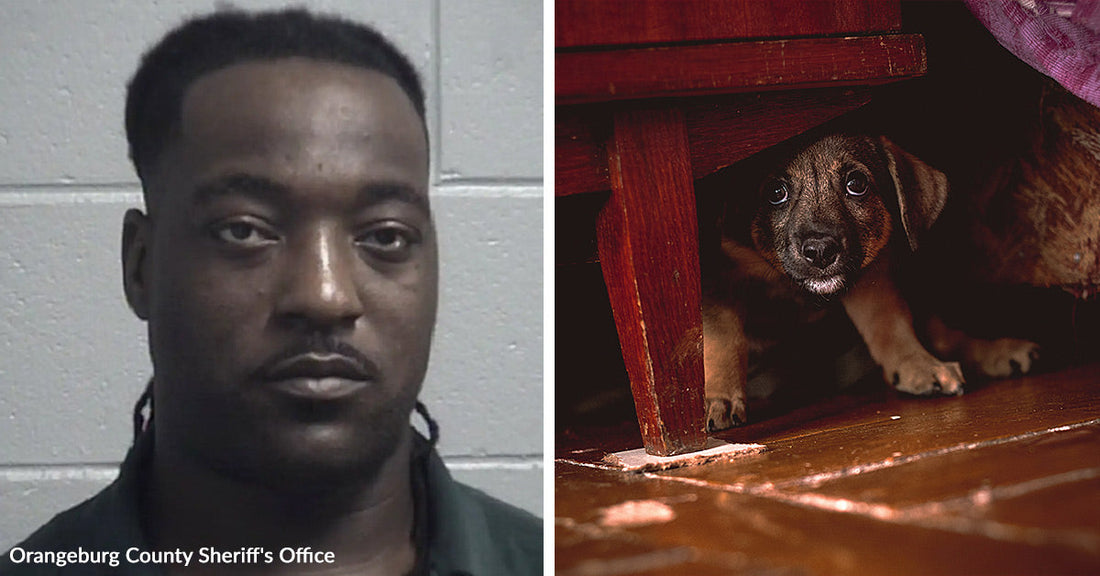
The details of a recent case out of South Carolina have sparked intense outrage and sorrow, highlighting once again how deeply society reacts to extreme animal cruelty. Federal prosecutors say a 29-year-old man, Desmond Levon Brown, admitted that he burned a defenseless puppy alive in what officials describe as a twisted act of revenge, and that he did it while livestreaming the torture on social media. This shocking incident, which authorities say unfolded during a domestic dispute in December 2024, has become a grim milestone as the first conviction in South Carolina under the federal Preventing Animal Cruelty and Torture Act. For anyone who cares about humane treatment of animals, this story is difficult to read, yet it also underscores how the legal system is beginning to respond more forcefully to severe acts of abuse.

According to information shared by the US Attorney’s Office for the District of South Carolina, the events began with a domestic conflict between Brown and an unnamed woman. Local law enforcement reports that during the dispute the woman burned some of his clothing. Instead of walking away from the situation, Brown allegedly chose retaliation that shocked even seasoned investigators. Officials say he took the woman’s puppy and threw the animal into a large fire that had been set using imported Caribbean rum. Authorities describe this as a deliberate act that turned a private conflict into a horrifying public display of violence toward a helpless animal.
Deputies from the Orangeburg County Sheriff’s Office were drawn into the case not because someone quietly reported the incident after the fact, but because it was shown openly online. Investigators say they were provided a Facebook Live video of the scene. In that footage, according to federal prosecutors, Brown can be seen holding the puppy over the flames before dropping the helpless animal into the fire. The description continues with an even more disturbing detail: officials say he then repeatedly kicked the burning puppy back into the fire, ensuring it was burned alive. It is one of those accounts that is hard to absorb, as it forces readers to confront the reality of intentional cruelty broadcast in real time.
Law enforcement officials did not mince words in their public response. Bryan Stirling, US Attorney for the District of South Carolina, called the torture “gruesome” and “heinous,” emphasizing that Brown showed no mercy and that prosecutors are looking ahead to sentencing. Stirling also highlighted a broader commitment to animal welfare, stating that the office intends to lead efforts to protect animals in South Carolina. I found this detail striking because it signals a clear prosecutorial message: severe animal cruelty will not be treated as a minor matter but as a serious crime that demands substantial consequences.
Orangeburg County Sheriff Leroy Ravenell echoed that sense of horror. Reflecting on his years of service, Ravenell said he had seen extremely despicable and disgusting acts, yet described this case as one of the worst. That reaction from a sheriff accustomed to confronting violent and disturbing incidents underscores just how shocking the attack on the puppy was to professionals who deal daily with crime and tragedy. Authorities say Brown was arrested after deputies reviewed the Facebook Live recording, and prosecutors note that he later admitted in recorded jailhouse conversations that he had burned the dog.
From a legal perspective, this incident is significant because it is tied directly to the federal Preventing Animal Cruelty and Torture Act. This law is designed to address severe crimes of animal cruelty, often referred to as “PACT” cases, where animals are intentionally tortured, maimed, or killed in particularly egregious ways. Federal officials report that Brown pleaded guilty under this statute and now faces up to seven years in federal prison. In addition to the possibility of a substantial prison sentence, he also faces up to $250,000 in fines and restitution. While the law cannot undo what happened to the puppy, its use in this case shows how federal statutes are being deployed to confront extreme acts of violence against animals.
The intersection of social media and cruelty in this case is particularly unsettling. Authorities say the abuse was streamed via Facebook Live, transforming a horrifying act into a spectacle. That aspect has implications beyond a single criminal case, raising questions about the responsibility of platforms and the way some individuals may seek attention through acts of violence. Livestreamed cruelty can retraumatize viewers, normalize harmful behavior for younger audiences, and make it easier for such incidents to spread. At the same time, the recording became a crucial piece of evidence that allowed law enforcement to identify and charge the offender, illustrating how digital trails can both reveal wrongdoing and force a public reckoning.
Cases like this one may influence how communities think about animal protection, accountability, and the role of the justice system. In many households, pets are regarded as family members and trusted companions. When a defenseless animal is targeted in a moment of anger or revenge, it often feels like a betrayal of that shared understanding that animals are vulnerable beings who depend on humans for care. Advocates for stronger animal cruelty laws have long argued that serious abuse should be treated as a major crime, not a minor infraction. The use of the federal animal cruelty act here, along with the prospect of multi-year imprisonment and significant financial penalties, suggests that policymakers and prosecutors are increasingly willing to treat such acts with the gravity they deserve.
It is also worth noting the role of public institutions and community response. Sheriff’s deputies, federal prosecutors, and other officials all worked with the evidence available, including the social media footage, to build a case and secure a guilty plea. Their public statements emphasized both moral outrage and a commitment to future prevention. While this story is painful, it may motivate more people to report suspected abuse, support local shelters and rescue organizations, and stay alert to the wellbeing of animals in their neighborhoods.
As the legal process moves toward sentencing, the case stands as an example of how a single horrific act of cruelty can reverberate through a community and beyond. It has prompted renewed attention to the federal Preventing Animal Cruelty and Torture Act, highlighted the role of digital evidence in modern prosecutions, and reminded many that acts of violence against animals are taken seriously by the justice system. For readers, it can be emotionally difficult to revisit the details, yet documenting and prosecuting such cases is one way society affirms that deliberately causing suffering to defenseless beings is unacceptable. In that sense, the outrage surrounding this incident is closely tied to a shared belief in compassion and accountability.