
Florida Mom and Boyfriend Arrested After Autistic Child Is Allegedly Beaten Nearly to Death
Guest Contributor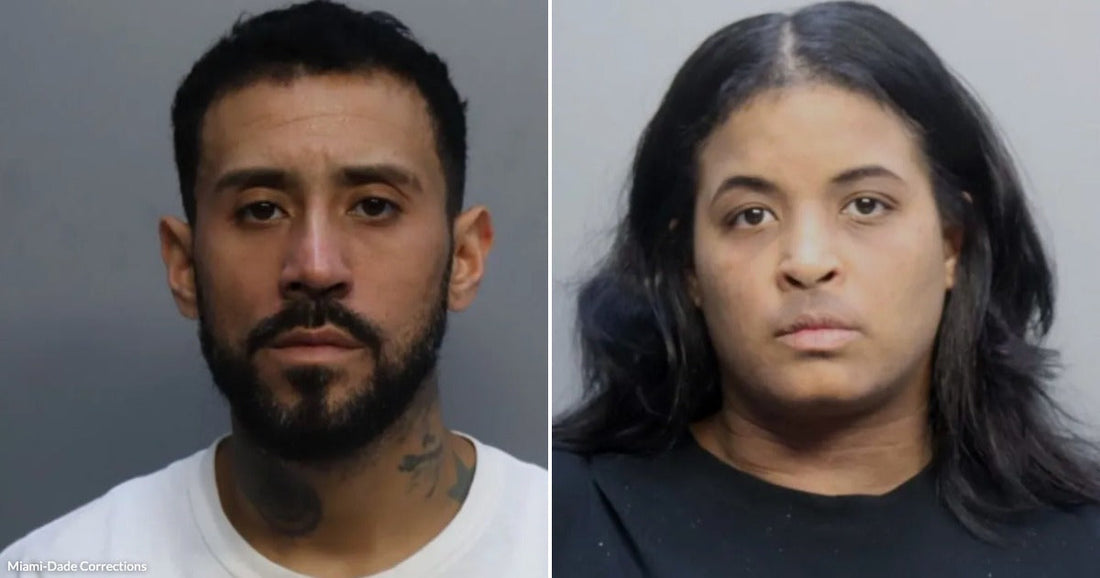
The story of a 6-year-old autistic, nonverbal child in Florida who was allegedly beaten by his mother’s boyfriend and later died after weeks on life support is as heartbreaking as it is difficult to read. This reported case of severe child abuse and neglect highlights how vulnerable children, especially those with disabilities, can be when the adults in their lives fail to protect them. It also underscores the importance of vigilant responses to suspected abuse, honest communication with authorities, and a system that takes every indication of danger seriously. For anyone following true crime news or child abuse cases, the details of this situation are deeply troubling.
According to the reports, the boy, identified as Mason, was rushed to the emergency room on January 9 after going into cardiac arrest. When first responders arrived, he had no detectable pulse and required CPR before being transported to the hospital. Medical staff were able to restore his heartbeat, and he was admitted in critical condition. The hope at first was that his life could be saved despite the severity of his injuries.

Miami-Dade Corrections
Once at the hospital, doctors discovered extensive trauma that did not match the initial explanations. Mason reportedly had bruises on his face and back, swelling on his head, and a fractured arm. More alarming still were the internal injuries. Physicians found bleeding in his brain and lacerations to his kidney, spleen, and liver. These injuries painted a picture of intense and repeated violence, not a simple accident. For a 6-year-old child who was nonverbal and autistic, the inability to communicate what had happened to him added another layer of tragedy.
The investigation that followed focused on the boy’s mother, Cynthia Elaine Hernandez, and her boyfriend, Daniel Eduardo Romero. Romero, 34, was the first to offer an explanation. He allegedly told police that Mason’s bruises and scratches came from a fall from a bicycle while Romero was teaching him to ride. That story quickly started to crumble. When officers asked to see the bicycle, Romero reportedly could not produce it. He then changed his story, claiming that the injuries were caused while they were playing with a wagon.

Miami-Dade Corrections
Police noted that the wagon had a broken wheel and appeared as if it had not been used in a long time. This observation raised even more doubts. Romero also allegedly admitted that he did not take Mason to the hospital immediately because he did not realize how badly the child was hurt. The next day, when the boy lost consciousness, 911 was finally called. For investigators, the delay in seeking medical help was a critical detail in the child neglect charges.
Hernandez, 32, initially supported Romero’s bicycle story when questioned by police. She reportedly repeated the claim that her son had been injured while learning to ride. Later, she changed her account. According to investigators, Hernandez confessed that Romero had instructed her to lie and that she feared he might be responsible for the injuries. She also reportedly said that Romero had a history of becoming frustrated with Mason’s behaviors, which were related to his autism diagnosis. That comment suggests a dynamic in which the child’s disability may have made him a target for anger or impatience.
On the day of the incident, Romero allegedly told Hernandez that Mason had hit his head on a television. She noticed swelling at the back of his head and tried to treat it with ice and medication. At some point, she left the home. When she returned, the child had new scratches on his face and a fresh bump on his forehead. Romero then reportedly claimed that Mason had fallen while running inside the house in socks. The pattern of shifting explanations, combined with the extent of the injuries, formed the basis of the charges against both adults.
Romero was arrested and held without bond. He faces charges that include aggravated child abuse causing great bodily harm, child neglect resulting in great bodily harm, and providing false information to law enforcement. Hernandez later turned herself in and was charged with child neglect resulting in great bodily harm, failure to report child abuse or neglect, and providing false information to law enforcement. Through her attorney, Hugo Apellaniz, she has pleaded not guilty and maintains that she is “nothing more than a victim” herself.
Apellaniz criticized the decision to charge Hernandez, describing it as “a dire mistake.” He stated that law enforcement is aware that Hernandez has also been a victim of Romero, similar to how her son was. From his perspective, the focus should be on the child’s health and recovery, and he expressed confidence that Hernandez would be vindicated. These legal arguments highlight the complex reality that some caregivers who fail to protect a child may simultaneously be experiencing intimate partner violence or coercion. It is possible for more than one person in a household to be harmed by the same individual, although that does not remove the legal questions about responsibility and duty to protect.
Tragically, the hope for recovery did not last. Mason remained hospitalized in critical condition for weeks. Nearly two months after the initial incident, his grandmother confirmed to NBC News that he had been taken off life support on February 27 and died shortly afterward. The child abuse case was now also a homicide case. Both Hernandez and Romero subsequently entered not guilty pleas to charges connected to Mason’s murder.
This case stands out not only because of its brutality, but also because it involves a child who could not speak for himself. Nonverbal autistic children often rely entirely on adults to interpret signs of distress and to advocate for them. When the adults in their immediate circle are the very people causing harm, the child’s vulnerability is extreme. I found this detail particularly striking, because it illustrates how crucial it is for neighbors, teachers, medical professionals, and community members to pay attention when something seems wrong.
Stories like this are extremely difficult to process, yet they are important to confront. They raise questions about what warning signs, if any, might have been visible before the day of the 911 call. They prompt reflection about social supports for families of children with disabilities, especially when caregivers may be under financial, emotional, or relational stress. While the article does not offer broader policy context, it does emphasize that the criminal justice system has moved forward with serious charges and that the courts will ultimately weigh the evidence regarding both Romero’s alleged violence and Hernandez’s decisions.
The legal process will determine individual accountability, but from a wider view, this case is a stark reminder that child abuse can escalate quickly from bruises and fear to irreversible injury and death. For people who read true crime reports or follow cases involving vulnerable children, the details of Mason’s suffering, the conflicting stories about a bicycle and a wagon, and the delayed call for help all combine into a narrative of opportunities lost and protections that arrived too late. It underscores why responding rapidly and honestly to suspected abuse is so critical, regardless of personal fear, shame, or pressure from others.
Those who feel unsettled by this story are not alone. The emotions it raises can range from sorrow to anger to a sense of helplessness. While the article focuses on the specific facts of this Florida case, it indirectly calls attention to the responsibility communities have to safeguard children who cannot speak up for themselves, including autistic and other disabled children. For many, remembering Mason’s name and circumstances may serve as a quiet reminder to stay attentive, ask questions when something does not look right, and support systems that protect the most vulnerable.