
Colorado Wildlife Center Takes in a Record 47 Orphaned Bear Cubs During a Difficult Year
Guest Contributor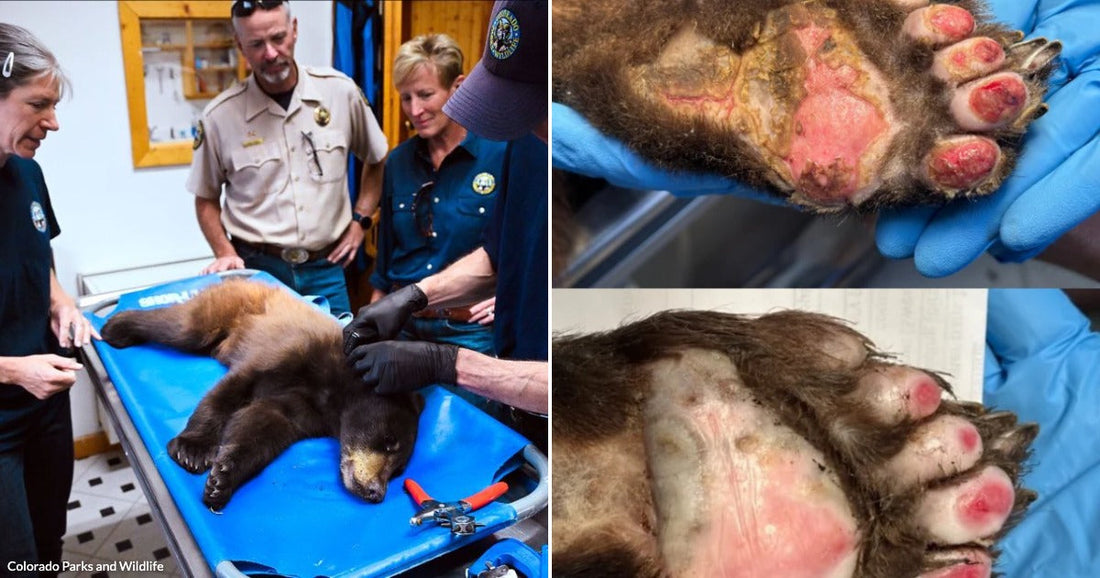
In a year that Colorado Parks and Wildlife has described as the worst year of human-bear conflict on record, one small facility quietly became a lifeline for some of the state’s most vulnerable animals. The Frisco Creek Wildlife Rehabilitation Center in Monte Vista, Colorado, took in a record number of orphaned black bear cubs, turning a troubling season for wildlife into a story of care, resilience, and second chances. For anyone interested in black bear rescue or the broader story of wildlife rehabilitation in a changing climate, what happened at Frisco Creek this year is both sobering and hopeful.
The story of this record season began in mid-April, when a tiny 6-pound cub from Evergreen arrived at the doorstep of facility manager Michael Sirochman. That first arrival marked the beginning of what would become a flood. Over the months that followed, 46 more black bears made their way to Frisco Creek, most of them orphaned and all of them in need of intensive help if they were ever to survive in the wild.

Colorado Parks and Wildlife
Sirochman explained that over the last 15 years the center has averaged about 20 orphaned black bear cubs each year. This season, more than double that number came through its doors, a clear sign that something unusual and deeply concerning was happening across the state. Colorado Parks and Wildlife reported that the record intake reflected a surge in human-bear conflict along with extreme environmental pressures affecting bear habitat and food sources.
The cubs and yearlings arrived at Frisco Creek from nearly every corner of Colorado. Wildlife officials shared that 21 of the bears came from the southeast region, 18 from the northeast, seven from the southwest, and one from the northwest. That distribution underscores the scale of the problem. This was not a localized crisis in one valley or one mountain range. It was a statewide pattern of orphaned and injured animals that pointed to larger stresses on both bears and the lands they rely on.

Colorado Parks and Wildlife
Among the animals that reached the center, a few stood out as powerful symbols of what these young bears endured. One arrived with a broken leg. Another, a yearling, had been caught in the Aspen Acres Fire and sustained burn injuries. Each bear brought a different story of survival, yet all shared the same outcome. They had lost the protection and guidance of their mothers and would not have survived without human intervention.
The yearling injured in the Aspen Acres Fire drew particular attention. According to Colorado Parks and Wildlife veterinarian Dr. Julie Riner, this bear arrived at Frisco Creek on July 20 with burns on the bottoms of all four paws. Despite the severity of the injuries, there were already signs of healing. Dr. Riner noted that because the bear had made it through the most dangerous period on its own and caregivers had a head start on treatment, there was reason to be optimistic about its recovery.
When that burned yearling entered the facility, it weighed only 31 pounds, an indication of the combined toll of injury, stress, and limited access to food. With steady treatment and care, the bear’s burns healed, and the animal gradually gained weight. By the time Colorado Parks and Wildlife provided its update, the yearling had surpassed 120 pounds. That dramatic transformation from wounded survivor to robust young bear captured what effective wildlife rehabilitation can achieve when there are resources and expertise in place.
Plans call for the rehabilitated yearling to be released in late November, when it will be ready to den up for the winter like other wild bears in the region. This timing is not accidental. Releasing a bear at a moment when it is naturally inclined to seek a den gives it the best possible chance to conserve energy, avoid unnecessary conflict with humans, and begin the next year with a stronger footing in its natural environment.
The record number of orphaned black bears at Frisco Creek did not emerge in a vacuum. Colorado Parks and Wildlife has linked this surge to a combination of historic drought, late spring freezes, and multiple large wildfires across the state. Each of these factors can dramatically affect bear behavior and survival. Drought and freeze events can damage or limit natural food sources, pushing bears closer to human communities in search of calories. Wildfires can destroy habitat outright and separate cubs from their mothers or force bears into dangerous situations they would not otherwise encounter.
These environmental stresses, layered on top of growing human presence in bear country, created conditions in which conflict was more likely and the odds for young bears were worse than usual. When sow bears are killed on roads, in fires, or in encounters linked to human conflict, cubs are often left alone with few options. Rehabilitation centers such as Frisco Creek become the last line of support between those cubs and almost certain death.
What unfolded this year at the Frisco Creek Wildlife Rehabilitation Center also highlights the complex relationship between people and wildlife. On one hand, human activities and climate-related pressures contributed to the circumstances that left so many cubs orphaned. On the other hand, it was human action that provided medical care, nourishment, and structured rehabilitation designed to give these bears another chance at a wild life. I found this detail striking because it illustrates how responsibility and stewardship can exist alongside risk and impact.
Wildlife rehabilitation is not simply about feeding animals until they are big enough to release. It involves structured protocols that aim to limit habituation to humans, manage stress, and give animals opportunities to build the skills they will need once they are back in the wild. In the case of young bears, that can include minimizing direct human contact, providing naturalistic enclosures, and making sure they can forage, climb, and behave as wild bears do. When record numbers of cubs and yearlings arrive in a single season, every one of those steps becomes more challenging, from staffing to funding to facility capacity.
Even so, the results from Frisco Creek this season show that committed staff and coordinated support from agencies like Colorado Parks and Wildlife can turn a year labeled the worst for human-bear conflict into one where dozens of orphaned bears still have a real opportunity to return to their native landscapes. Each released bear represents not only an individual success, but also a reminder that coexistence requires both prevention of conflict and robust responses when things go wrong.
As Colorado and other western states continue to navigate drought, variable weather, and wildfire seasons that reshape familiar habitats, the story of Frisco Creek’s record year with orphaned black bear cubs may be a preview of challenges to come. It is also a testament to what is possible when wildlife agencies, rehabilitators, and local communities invest in care for the animals that share these changing landscapes. For now, dozens of young bears that might not have survived are preparing for winter in a stronger, healthier state, and their journey from crisis to recovery offers a measure of cautious optimism amid a difficult year for wildlife.