
🚨Urgent: Missile Strikes Shelter in Ukraine! Rush Emergency Aid!
From Combat to Classroom: Air Force Veteran’s Inspiring Journey To Teaching
Guest Contributor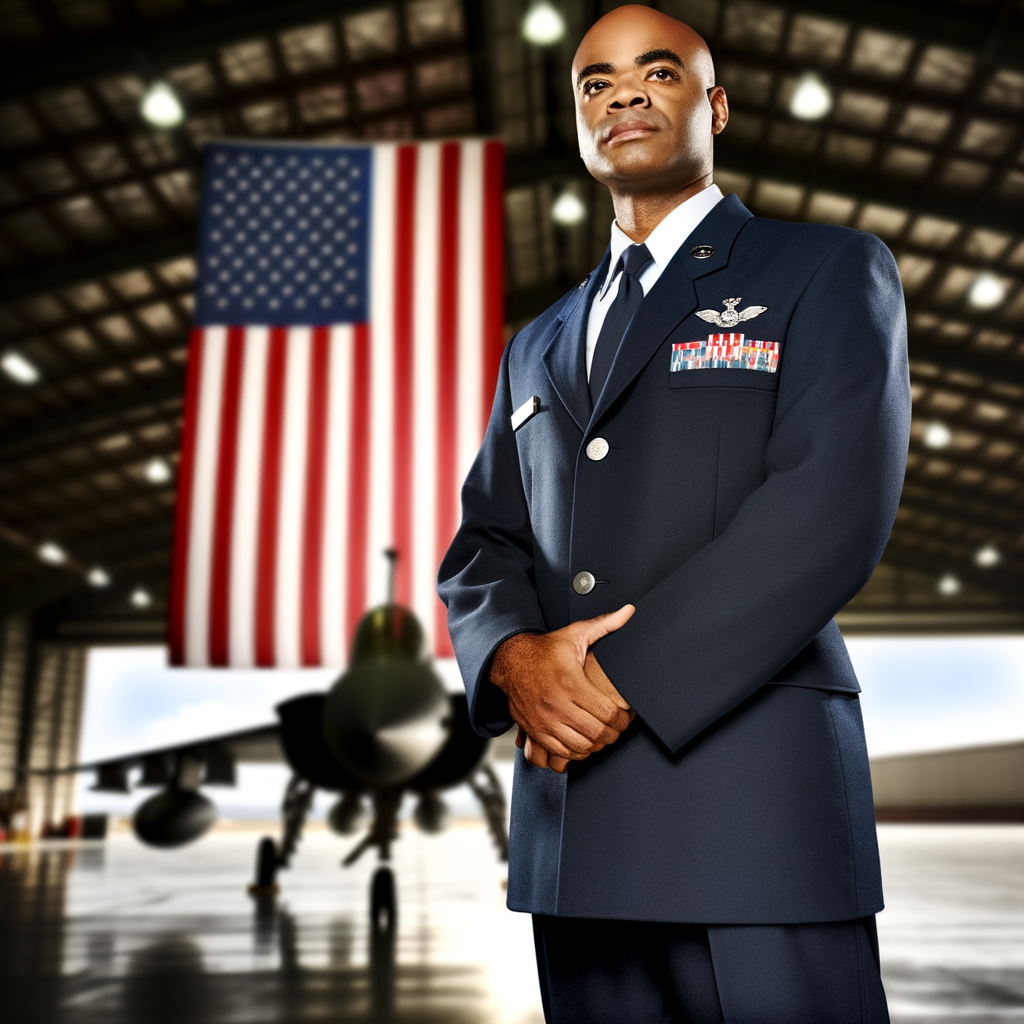
From combat zones in the Middle East to classrooms in Florida, Oscar Smith’s career has taken him across vastly different terrains—but each chapter has been defined by service, leadership, and a deep sense of purpose. The Air Force veteran, now a high school civics teacher and volunteer basketball coach, recently shared his remarkable journey from battlefield command to educational mentorship. His story offers a compelling look at the evolution of a military career and the enduring values that carry over into civilian life. For readers interested in military service, veteran stories, or transitioning from active duty to teaching, Smith’s account is both inspiring and instructive.

Smith’s path began with a Reserve Officers’ Training Corps (ROTC) scholarship, which took him to Florida Agricultural and Mechanical University. He earned his commission at Florida State University and received his first assignment at Tyndall Air Force Base in Panama City. It was there, during his training, that the September 11 attacks occurred—an event that would shape the course of his career and the missions he would undertake.
“I was in training when 9-11 happened at Tyndall,” Smith recalled. “I remember that day and where I was and all those things that everybody does.” Within two years of beginning active duty in 2001, he found himself deployed to the Middle East. As an air battle manager, Smith’s role involved real-time decision-making in high-stakes environments. He was responsible for directing aircraft, providing clearance for attacks, and coordinating efforts to protect ground forces. “You’re giving orders or you're giving clearance for other aircraft to drop bombs or to attack the enemy... this got real, real fast,” he said.
His job demanded composure under pressure, something he credits to rigorous training and experience. “The primary mission of JSOs was to protect soldiers and Marines on the ground,” Smith explained. Using radar and communication systems, his team could track ground movement and direct aircraft to provide overwatch or respond to threats. “I did command and control and led to some of those things which are to bring force against the enemy and bend them to our will,” he added. The blunt reality of combat, as he described, was never lost on him. “It gets real, real fast once you're in that kind of kill chain.”
Despite the gravity of his responsibilities, Smith describes his service as an honor. “Not everybody gets to come back and tell about it,” he said. “I was always able to come home. And so that's a blessing.” His deployments gave him a broader perspective on global affairs and human resilience. “It was an opportunity for me to really see how the world works.”
Back home, Smith’s wife, Tamara, played a vital role in his ability to serve with focus and peace of mind. The couple met just months before his first deployment, and she quickly became his anchor. “I lovingly refer to her as CEO of the house, Tamara, commander and chief of the house,” he said with admiration. Her steadfast support allowed him to concentrate on his duties overseas, knowing that their home life was in capable hands.
Today, Smith continues to lead, albeit in a very different setting. He teaches Civics and Government at Innovation Preparation Academy in Wesley Chapel, Florida. In the classroom, he brings the same discipline, adaptability, and strategic thinking that defined his military career. His Air Force motto—“Flexibility is the key to power”—now serves as a guiding principle for his students. He also volunteers as a basketball coach at Wiregrass Ranch High School, extending his mentorship beyond academics.
I found this detail striking: the seamless way Smith has translated his military leadership into educational mentorship. His story underscores how the values cultivated in service—resilience, responsibility, and adaptability—can profoundly shape civilian roles. It also highlights the importance of veteran educators, who bring unique perspectives and life experiences into the classroom.
Smith’s journey from Air Force command to teaching civics is a testament to the enduring impact of service. His commitment to protecting lives, educating youth, and building community bridges the gap between military and civilian life in a way that few stories do. For those navigating the transition from active duty to civilian careers, his example offers both guidance and hope.
To read more about Oscar Smith’s story or to share your own, visit FOX 13’s website.